Understanding the Cape Cod Home Design
The cape cod home is more than just a style; it embodies a way of life that is deeply rooted in American history and culture. Originating in the 17th century in New England, this design has evolved but still retains its distinctive characteristics, appealing to homeowners looking for charm and functionality. In this guide, we will explore the features of Cape Cod homes, their historical significance, and how modern interpretations keep this style relevant today.
Characteristics of Cape Cod Homes
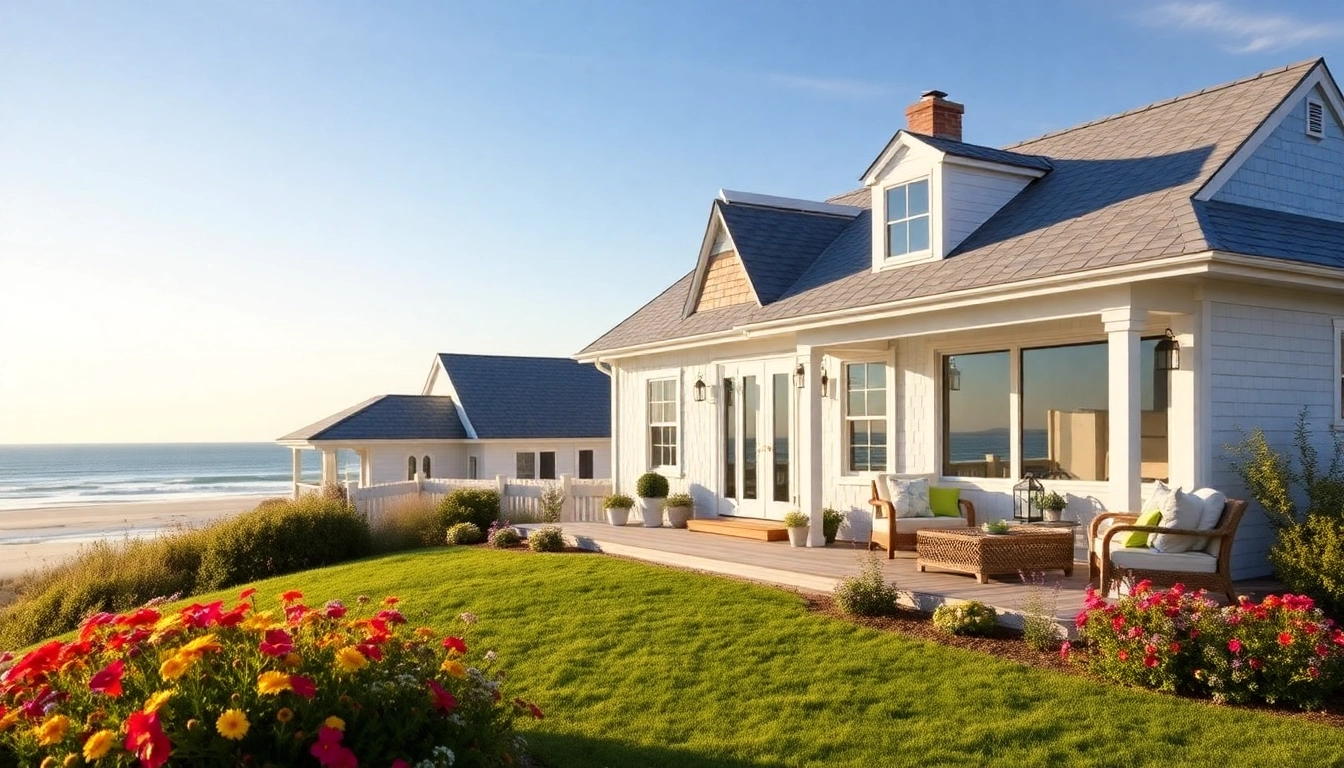
Cape Cod homes are typically characterized by their steeply pitched roofs, symmetrical facades, and dormer windows, which provide both aesthetic appeal and functional living space. Built from natural materials, these homes often feature wood siding painted in soft, muted colors that reflect the coastal environment.
Another hallmark of Cape Cod design is the central chimney and fireplace, which traditionally provided heat during cold winters. The layout is often designed for efficient use of space, with an open floor plan that maximizes natural light and encourages family interaction. Many Cape Cod homes also include a cozy front porch, providing a welcoming entry into the home.
Historical Significance of Cape Cod Style
The Cape Cod home style is deeply interconnected with its historical roots, dating back to the early colonial settlers. Designed to withstand the harsh New England winters, these homes were often built with steep roofs to prevent snow accumulation. The practical design elements also included the use of local materials, making them sustainable options for their time.
In the mid-20th century, Cape Cod homes experienced a resurgence in popularity, particularly as part of the American suburban expansion. They have since become synonymous with nostalgia and a return to simpler times, symbolizing comfort and homeliness. The enduring appeal of Cape Cod architecture continues to influence new home designs, preserving its legacy while adapting to contemporary needs.
Modern Interpretations of Cape Cod Design
In recent years, modern interpretations of the Cape Cod style have emerged, blending traditional elements with contemporary features. Homeowners are increasingly interested in incorporating sustainable building practices, such as energy-efficient windows and eco-friendly materials into their renovations and expansions. Architects are responding to this demand by designing homes that maintain the classic Cape Cod aesthetic while enhancing functionality and comfort.
Features like open-concept living spaces, expansive outdoor areas, and smart home technology are being integrated seamlessly without compromising the home’s historic charm. The combination of old and new allows homeowners to enjoy the best of both worlds—a classic look with modern conveniences.
Benefits of Expanding Your Cape Cod Home
Expanding your cape cod home can significantly enhance its functionality, aesthetic appeal, and market value. Whether you’re considering an attached garage or additional living space, thoughtful expansion can transform your home into a more comfortable and enjoyable living environment.
Increased Living Space and Functionality
One of the primary reasons homeowners choose to expand their Cape Cod homes is to increase living space. As families grow, the need for additional rooms becomes evident. A well-planned expansion can provide more bedrooms, bathrooms, or multi-functional living areas that meet the evolving demands of family life.
Moreover, creating additional functional spaces such as home offices, gyms, or playrooms can greatly enhance quality of life. These types of renovations make the home more adaptable to the homeowner’s lifestyle, accommodating work-from-home setups or providing space for children to learn and play.
Enhancing Property Value with an Expansion
Expanding a Cape Cod home can also be a smart financial investment. Real estate professionals often note that functional upgrades and additional square footage can significantly increase a property’s resale value. When done thoughtfully, expansions can enhance curb appeal and attract potential buyers looking for modern amenities paired with classic charm.
Research shows that homeowners who undertake expansions and renovations often recover a significant portion of their investment upon sale. Thus, planning an expansion not only improves your living conditions but can also yield substantial returns in the future.
Aesthetic Appeal of Attached Garages
Adding an attached garage to your Cape Cod home serves both functional and aesthetic purposes. It provides shelter for vehicles while saving space on driveways and minimizing exposure to the elements. From a design perspective, garages can also serve as a cohesive element of the overall architectural style, especially when constructed using similar materials and colors as the main house.
Furthermore, a garage can offer versatile usage options, acting as a workshop, storage area, or even a small studio. This flexibility enhances the utility of the property, making it more appealing to a broader range of potential buyers in the future.
Best Practices for Expanding Your Cape Cod Home
Expanding a Cape Cod home requires careful planning and consideration. To ensure that your project is successful, it’s essential to adhere to best practices that respect the home’s architectural integrity and fit within local regulations.
Planning Regulations and Building Codes
Before commencing any expansion, familiarize yourself with local zoning laws, building codes, and permitting requirements. Every municipality has regulations governing home size, property lines, and building height, which must be adhered to during renovations. Failure to comply can lead to costly fines and even the need to remove construction.
Engaging with local government officials early in the process can provide clarity and support, ensuring that the expansion meets all required standards. Additionally, understanding the environmental regulations in coastal areas can prevent potential issues down the line.
Choosing the Right Materials for Authenticity
To preserve the authentic look of your Cape Cod home during an expansion, carefully consider the materials you use. Sticking to traditional elements—such as wood siding, shingles, and colonial-style doors—maintains the character of the home. It’s important to select materials that weather well and match the existing structures in color and texture.
Using high-quality, durable materials can save money on future repairs and contribute to the home’s longevity. This commitment to authenticity resonates with buyers and neighbors alike, further integrating the expansion into the surrounding architectural context.
Hiring the Right Professionals for Your Project
Selecting experienced professionals to handle your home expansion is critical for a successful outcome. Look for architects and contractors who specialize in Cape Cod homes or have a track record of similar projects. Their expertise will ensure that your home retains its historical integrity while benefiting from modern functionalities.
Ensure that all professionals hold the necessary licenses and insurance, and don’t hesitate to ask for references or previous work examples. A qualified team will not only streamline the construction process but also navigate the complexities of design choices and regulatory compliance.
Cape Cod Home Expansion Ideas
There are many exciting ways to expand your cape cod home. Below are a few of the most popular and beneficial options to enhance your living space effectively.
Options for Adding an Attached Garage
When considering an attached garage, there are several layouts to choose from, including single-car, double-car, and even tandem designs. Each option has unique benefits depending on your needs. A double-car garage, for example, provides storage for multiple vehicles while also offering additional storage for tools or recreational equipment.
Design elements, such as a decorative door, windows, and pathways, can connect the garage to the main house aesthetically. Additionally, consider strategic landscaping to create a seamless transition from garage to home, enhancing curb appeal and functionality.
Creating Multi-functional Spaces for Family Needs
Multi-functional spaces allow families to maximize their square footage creatively. By combining rooms, such as a guest bedroom with an office or a playroom that doubles as a homework nook, you enhance the utility of the home significantly.
Incorporating storage solutions—like built-in shelves or under-bed storage—can further encourage functionality without compromising aesthetics. Tailoring these spaces to your family’s unique lifestyle not only increases comfort but also creates a home that truly caters to your needs.
Designing Outdoor Areas for Increased Enjoyment
Outdoor living spaces are vital to a well-rounded home, especially in coastal regions where the scenery complements daily life. Consider adding patios, decks, or outdoor kitchens that promote familial gatherings and leisure activities.
Landscaping is equally important; native plants and well-positioned trees can enhance privacy and create a serene setting for family enjoyment. Well-designed outdoor areas not only expand the usable space but also significantly contribute to the overall aesthetic appeal of the Cape Cod home.
Frequently Asked Questions About Cape Cod Home Expansions
What are the costs associated with expanding a Cape Cod home?
Costs vary significantly based on size, materials, and labor, typically ranging from $50,000 to $150,000.
How can I maintain the architectural style during expansion?
Use similar materials, match rooflines, and consider design elements that enhance the classic Cape Cod aesthetic.
What should I consider before beginning my home expansion?
Assess zoning laws, neighborhood aesthetics, budget, and the possible impact on your home’s value and function.
How long does a Cape Cod home expansion usually take?
Depending on the complexity, expansions may take anywhere from several months to over a year to complete.
Can I manage the expansion project myself?
While it’s possible, hiring professionals ensures compliance with regulations and a higher quality of work.