Understanding Colonial Home New Build Construction
The dream of owning a colonial home often charters an exploration into rich architectural tradition combined with modern construction techniques. If you’re considering embarking on a colonial home new build construction, it’s vital to grasp the unique aspects that define this architectural style as well as the comprehensive planning required to bring your vision to life. This guide will help you delve into the world of colonial architecture, ensuring your project is not only aesthetically pleasing but also functional and sustainable.
Defining Colonial Architecture Styles
Colonial architecture represents a variety of building styles that draw inspiration from the European colonizers, particularly from England, France, Spain, and the Netherlands. Each cultural influence has contributed unique elements to what we now recognize as colonial architecture. The core styles include:
- Georgian: Known for its symmetrical design, brick exteriors, and decorative entryways.
- Federal: Features intricate details, such as fanlights and sidelights around doors.
- Colonial Revival: A 20th-century interpretation that emphasizes classical elements and grandeur.
These various styles maintain the fundamental characteristics of colonial homes, such as symmetry, simple forms, and a sense of proportion. The typology of these homes heavily influences the new build construction process, encompassing modernization while respecting historical roots.
Key Features of Colonial Homes
Colonial homes are characterized by several distinctive features that contribute to their timeless elegance:
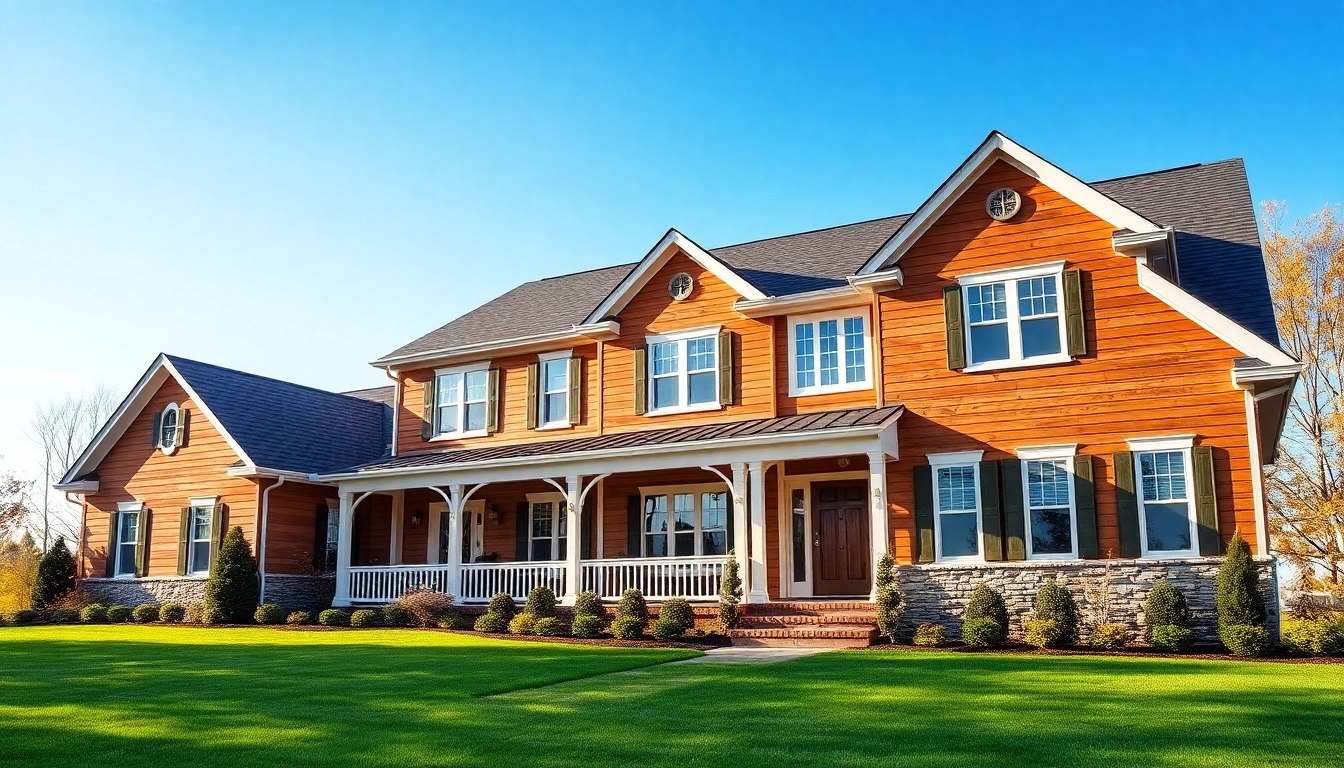
- Symmetry: Most colonial homes exhibit a balanced façade with evenly spaced windows and centered doorways.
- Gabled Roofs: Generally, they possess steeply pitched roofs that add to headroom in the upper stories.
- Columns and Porticos: Many styles include decorative columns flanking the main entrance, creating a welcoming presence.
- Traditionally Styled Windows: Double-hung windows with multi-pane configurations are standard, preserving an authentic colonial aesthetic.
By integrating these features into your new build, you can ensure your colonial home harmonizes with the historic styles while providing modern conveniences.
Benefits of Colonial Home Design
Investing in a colonial home offers numerous benefits that extend beyond visual appeal. Some notable advantages include:
- Timelessness: The architectural style has proven to endure, often appreciating in value while remaining relevant.
- Energy Efficiency: Equipped with modern insulation and building materials, new builds can achieve higher energy efficiency.
- Customizability: Prospective owners can tailor designs to their functional and stylistic preferences, incorporating contemporary comforts.
With a thoughtful design, a colonial home becomes not just a space to live—it’s a legacy that can appeal to generations.
Planning Your Colonial Home New Build Construction
Gathering Essential Resources
The planning phase of your colonial home new build construction is pivotal for translating dreams into reality. Start by collecting everything needed, from design inspirations to construction guidelines. Here are essential resources to consider:
- Architectural Plans: Hire a professional to draft blueprints reflecting your ideas, ensuring they meet local zoning laws.
- Material Samples: Gather samples of paint, wood, bricks, and other materials to align with the desired aesthetic.
- Local Building Codes: Familiarize yourself with the necessary regulations, permissions, and comprehensive construction guidelines.
Establishing a network of relevant resources will streamline your building process, making it efficient and problem-free.
Choosing the Right Location
The location of your new build significantly impacts its appeal, practicality, and longevity. Here are some key considerations to keep in mind:
- Community and Amenities: Review local neighborhoods for schools, parks, shopping centers, and services that enhance quality of life.
- Topography and Orientation: Analyze the land for potential drainage issues, sunlight exposure, and privacy concerns.
- Future Development: Research potential nearby developments that could affect property value and lifestyle.
Choosing the right location enhances your living experience and the overall investment potential of your colonial home.
Budgeting for Your Dream Home
Establishing a budget is a critical aspect of your colonial home new build construction. Factor in every element of the project, including:
- Land Costs: Determine the price of land and additional costs for site preparation.
- Building Costs: Research costs per square foot to get an accurate estimate of overall expenses.
- Finishing Costs: Consider expenses for fixtures, landscaping, and interior décor, which contribute to the full vision.
A well-planned budget not only alleviates financial stress but also sets realistic expectations throughout the construction process.
Design Elements for Colonial Home New Build Construction
Floor Plan Considerations
The floor plan of your colonial home must reflect both traditional characteristics and modern living needs. Here are significant elements to incorporate:
- Open Spaces: While traditional colonial homes emphasize closed-off rooms, blending open spaces can enhance functionality.
- Formal Areas: Family rooms, dining areas, and living rooms should maintain the colonial tradition of distinguished spaces for various activities.
- Multiple Stories: Many colonial designs feature two or more levels, providing ample room for families while keeping the architecture intact.
While the classic style serves as your foundation, adapting to contemporary requirements ensures practicality and comfort.
Landscaping and Outdoor Spaces
Outdoor spaces play a vital role in complementing the design of your colonial home. When planning landscaping, consider:
- Symmetrical Gardens: Reflect the architecture by implementing powerful symmetry in plant arrangements and walkways.
- Outdoor Living: Include patios, porches, or decks that enhance usability and integrate seamlessly with indoor spaces.
- Native Plantings: Utilize local flora for a sustainable garden that decorates while supporting the ecosystem.
Thoughtful landscaping not only enhances curb appeal but also supports an inviting atmosphere for gatherings and relaxation.
Interior Design Tips
Interior design can meld contemporary comfort with historical elegance. Here are some essential tips to consider:
- Classic Paints: Choose neutral palettes that echo traditional colonial styles combined with timeless whites.
- Furniture Selection: Incorporate vintage-style furniture that reflects historical significance while providing comfort.
- Decorative Accents: Use moldings, wainscoting, and paneled walls to enhance the aesthetic appeal of your interiors.
These design choices ensure your colonial home exudes warmth and charm while remaining functional for modern lifestyles.
Choosing the Right Contractor for Colonial Home New Build Construction
What to Look for in a Contractor
Selecting the right contractor is paramount for the success of your colonial home new build construction. Here’s what to consider:
- Experience with Colonial Designs: Obtain a contractor with a proven portfolio in colonial home constructions to ensure proficiency.
- Local Knowledge: A contractor familiar with your area will navigate local codes and regulations effectively.
- Client Testimonials: Research past projects and read reviews to evaluate the contractor’s reliability and quality of work.
Choosing wisely can make a profound difference in the overall construction experience and outcome.
Interview and Selection Process
The interview process can uncover invaluable insights into potential contractors. Follow these steps for effective communication:
- Prepare Questions: Prepare questions that address their experience, project management, and timeline adherence.
- Discuss Budget: Ensure clarity regarding cost estimates and provide a budget framework for the project.
- Check References: Speak to previous clients to understand their satisfaction levels and experiences working with the contractor.
This thorough selection process leads to forming a trustworthy partnership throughout the construction journey.
Understanding Contracts and Agreements
Contracts provide clear expectations and safeguards during your colonial home new build construction. Understand these elements:
- Scope of Work: Clearly outline what is and isn’t included in the project to avoid misunderstandings.
- Payment Terms: Establish a transparent payment schedule that aligns with project milestones.
- Termination Clause: Include conditions under which either party can terminate the contract to protect your interests.
Comprehensively reviewing the contract ensures both parties understand expectations and responsibilities, averting potential disputes.
FAQs about Colonial Home New Build Construction
What is the average cost of a colonial home new build construction?
The cost can vary significantly based on location, size, and materials. Generally, it ranges from $150 to $300+ per square foot.
How long does a colonial home new build construction take?
Completion typically requires 6 to 12 months, depending on design complexity, permitting, and weather conditions.
What unique features define colonial-style homes?
Colonial homes usually feature symmetrical facades, gabled roofs, and decorative doorways with columns.
Can I customize my colonial home during construction?
Yes, many builders allow modifications to floor plans, materials, and finishes to meet buyer preferences.
Are colonial homes energy-efficient?
With modern building techniques and materials, new colonial homes can be designed for energy efficiency while retaining traditional charm.