Understanding Structural Timber Frame
Definition and Importance
The Structural Timber Frame is a construction method that utilizes timber—specifically solid wood and engineered wood—serving as the primary load-bearing material in buildings. This technique is characterized by its modularity, which facilitates quick assembly and construction. Importantly, timber is a renewable resource, making it an environmentally friendly choice that aligns with modern sustainability goals in construction, thereby enhancing its importance in contemporary architecture.
Types of Structural Timber Frame
There are several types of Structural Timber Frame systems used in construction, each suited to different design requirements and structural applications. The three most prevalent types are:
- Light-frame construction: This approach uses smaller dimensions of timber, allowing for flexible and cost-effective designs without sacrificing structural integrity. It’s a popular choice for residential buildings.
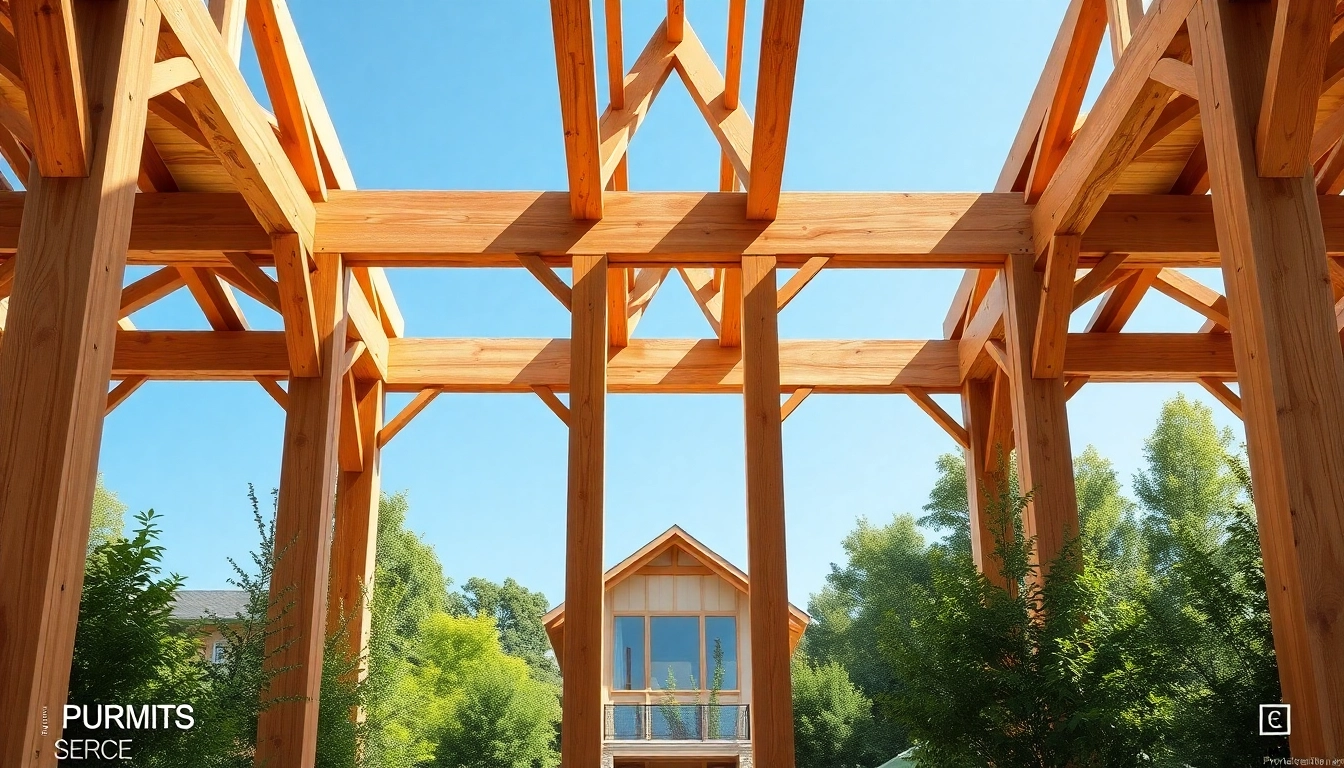
- Heavy timber construction: Heavy timber framing involves larger timber members, often exposing structural elements to enhance aesthetic appeal. This type is widely used in commercial spaces where durability and visual impact are priorities.
- Engineered wood systems: This category includes products like glulam beams, CLT (cross-laminated timber), and LVL (laminated veneer lumber). These engineered solutions offer enhanced strength, stability, and design versatility, making them suitable for modern architectural trends.
Common Applications
Structural Timber Frame systems are versatile and widely applicable across various sectors. Common applications include:
- Residential buildings: Homes constructed using timber frames leverage efficiency, sustainability, and aesthetic appeal.
- Commercial buildings: Offices, retail spaces, and public buildings employing timber framing benefit from its visual warmth and acoustic properties.
- Industrial applications: Warehouses and manufacturing plants utilize heavy timber for durability and open span layouts.
- Sporting and recreational facilities: Timber frames effectively accommodate large spaces such as auditoriums and gymnasiums.
Benefits of Using Structural Timber Frame
Environmental Advantages
The use of Structural Timber Frame represents a sustainable building approach. Timber has a lower carbon footprint compared to traditional materials such as concrete and steel, as it sequesters carbon dioxide during its growth and can continue to store carbon throughout its life cycle. Furthermore, timber is a renewable resource, which significantly reduces environmental impact when managed responsibly. Sustainable forestry practices ensure that timber resources are replenished, making it a viable option for eco-conscious construction.
Cost-Effectiveness
From a financial perspective, Structural Timber Frame construction can be more cost-effective than concrete or steel frameworks. The precision manufacturing of pre-fabricated timber components allows for faster assembly on-site, reducing labor costs and construction time. Additionally, this method typically requires less energy for production compared to conventional materials, resulting in lower overall project expenses. Long-term savings emerge from timber’s insulating properties, which reduce energy consumption for heating and cooling.
Health and Insulation Properties
Timber naturally provides excellent insulation, which enhances energy efficiency within buildings. Its cellular structure helps regulate temperatures, ensuring warmer interiors in the winter and cooler ones in the summer. Furthermore, timber’s hygroscopic nature allows it to absorb and release moisture, contributing to improved indoor humidity levels and overall health for inhabitants. Unlike synthetic materials, timber is free from harmful chemicals that can degrade indoor air quality, making it a healthier choice for living and working environments.
Design Considerations for Structural Timber Frame
Architectural Styles
Architectural styles using Structural Timber Frame vary widely, from traditional to modern designs. Key considerations include balancing aesthetic appeal with structural integrity. For example, exposed timber beams create a rustic charm while serving as load-bearing elements in open-plan layouts. Contemporary designs may integrate timber with other materials, utilizing the contrast to highlight structural features. When designing, it is crucial to collaborate with architects familiar with timber frame potential to achieve innovative and functional solutions.
Regulatory Compliance
Achieving regulatory compliance is paramount in any construction project. Structural Timber Frame buildings must adhere to local building codes and fire safety regulations, which can vary significantly depending on location. It is essential to engage with local authorities early in the project to ensure all aspects of design and construction meet legal requirements while maximizing the benefits of timber. Continuous education on evolving regulations is also vital for architects and builders in the timber sector.
Acoustic and Thermal Performance
Acoustic performance in timber structures can be enhanced through careful design and material selection. Timber has inherent sound-dampening qualities but may require additional treatments in noisy environments. For thermal performance, structural insulation panels (SIPs) can be integrated within the timber frame to provide superior energy efficiency. Understanding the required acoustic and thermal properties helps guide the selection of materials and design approaches, ensuring human comfort within the built environment.
Challenges in Structural Timber Frame Construction
Common Design Challenges
When designing with Structural Timber Frame, several challenges may arise. These include potential movement and settling of timber, which can affect structural stability. To address such concerns, engineers and architects must consider appropriate connection methods and bracing techniques that accommodate timber’s natural properties. Moreover, designing for thermal expansion and contraction can minimize risks associated with warping and cracking, ensuring a durable final product.
Material Selection Issues
The selection of appropriate timber types and grades is critical to meeting structural performance expectations. Not all timber is created equal; some species offer greater strength, durability, or aesthetic quality than others. Additionally, understanding the differences between untreated versus treated timber is essential for ensuring long-term performance. Collaborating with suppliers and manufacturers who specialize in timber products can mitigate risks and improve material selection outcomes.
Weather Resistance Solutions
Exposure to the elements poses a concern in timber construction, as moisture can lead to rot and insect infestations. Implementing effective weather-resistant solutions is vital. This can include using treated lumber, applying protective coatings, and incorporating drainage systems in the design to divert water away. Designing overhangs and ensuring proper ventilation are also key strategies to mitigate weather-related risks, ensuring timber structures maintain their integrity over time.
Future of Structural Timber Frame in Construction
Innovative Building Techniques
As technology progresses, innovative building techniques are emerging in the realm of Structural Timber Frame. Prefabrication systems, such as modular construction, facilitate faster and more efficient assembly while minimizing waste. Additionally, advancements in engineering principles and computer modeling enable architects to push the boundaries of design, achieving increasingly ambitious timber structures. Staying abreast of technological trends will be crucial for professionals in the field, ensuring they remain competitive and relevant.
Trends in Sustainability
As society moves towards heightened environmental consciousness, the demand for sustainable building practices has surged. The Structural Timber Frame’s inherent sustainable qualities align well with this shift. Innovations such as bio-based adhesives in engineered timber products and improved sustainable forestry practices are setting new benchmarks in sustainability. Furthermore, the industry is witnessing a rise in certifications and standards for sustainable construction, pushing constructors to adopt greener processes and products to meet rising consumer demand.
Networking and Research Opportunities
The future of Structural Timber Frame is closely tied to ongoing research and development initiatives that foster collaboration across the industry. Networking among architects, engineers, and environmental scientists can yield insights that drive innovation and sustainability. Participating in conferences, workshops, and online forums dedicated to timber construction can open new avenues for knowledge exchange while enhancing professional skill sets. Institutional support and funding for research in timber technologies are essential for promoting advancements that benefit the field.
FAQs
What is a Structural Timber Frame?
A Structural Timber Frame is a construction method that uses timber as the primary load-bearing material, promoting modular design and sustainability.
What are the benefits of using timber frames?
Timber frames offer environmental sustainability, cost-effectiveness, and excellent thermal and acoustic insulation properties.
What types of timber are used in construction?
Common types include softwood such as pine and spruce, and engineered options like laminated veneer lumber and cross-laminated timber.
Are timber frame constructions durable?
Yes, with proper design and maintenance, timber frame constructions can be highly durable and resilient to various weather conditions.
How can I ensure compliance with building regulations?
Engage local authorities early in your project to understand the necessary codes and standards your design must meet for compliance.