Understanding Construction Site Safety
Construction site safety is a critical aspect of the construction industry, ensuring that everyone—from workers to visitors—is protected from potential hazards. The importance of implementing robust safety measures cannot be overstated, as they directly impact the success of construction projects. A comprehensive approach to construction site safety requires an understanding of regulations, identification of hazards, and the establishment of effective safety protocols.
Importance of Construction Site Safety in Projects
Ensuring safety on construction sites is paramount for several reasons. Firstly, it protects the workforce from accidents and injuries, fostering a healthy work environment. According to the Occupational Safety and Health Administration (OSHA), thousands of injuries occur on construction sites each year, leading to significant healthcare costs and loss of productivity.
Secondly, maintaining safety standards enhances the reputation of a construction company, which is crucial for securing future contracts. Clients increasingly prioritize safety performance when selecting contractors. A solid safety record also helps in reducing insurance costs over time, translating to financial benefits.
Finally, a culture of safety contributes to overall project efficiency. Workers are more focused and productive when they feel safe, which can lead to increased profitability on projects. Therefore, prioritizing safety is not merely an ethical responsibility; it is also a strategic business decision.
Key Regulations and Standards for Safety
Familiarity with the key regulations and standards governing construction site safety is essential for compliance and risk management. OSHA sets the federal safety regulations, providing the framework for safe working conditions across the industry. Some critical standards include:
- OSHA Construction Standards (29 CFR 1926): These regulations outline requirements related to construction activities, including scaffolding, ladders, and personal protective equipment (PPE).
- National Fire Protection Association (NFPA): This organization develops codes and standards on fire safety applicable to construction sites, emphasizing fire prevention strategies.
- American National Standards Institute (ANSI): ANSI develops safety standards for equipment used in construction, ensuring that tools meet safety specifications.
Adhering to these guidelines not only ensures legal compliance but also contributes to the safety culture within a construction project. Regular training and updates on safety legislation are vital for all personnel.
Identifying Potential Hazards on-Site
The first step in ensuring construction site safety is to identify potential hazards that may arise during construction activities. Common types of hazards include:
- Physical Hazards: Common physical hazards include machinery, falling objects, and unguarded heights. Regular inspections and maintenance of equipment, as well as implementing barriers for high-risk areas, can mitigate these risks.
- Chemical Hazards: Exposure to hazardous materials such as asbestos or chemical solvents can pose severe health risks. Proper labeling, storage, and training on handling hazardous substances are crucial in minimizing exposure.
- Environmental Hazards: Weather conditions can significantly affect site safety. Factors like rain, snow, or heat can lead to slips, falls, or heat-related illnesses. Implementing weather-related safety protocols and providing adequate breaks can help manage these risks.
Conducting comprehensive risk assessments and involving workers in a hazard recognition process helps in creating a safer work environment.
Essential Safety Measures for Workers
Personal Protective Equipment and Its Role
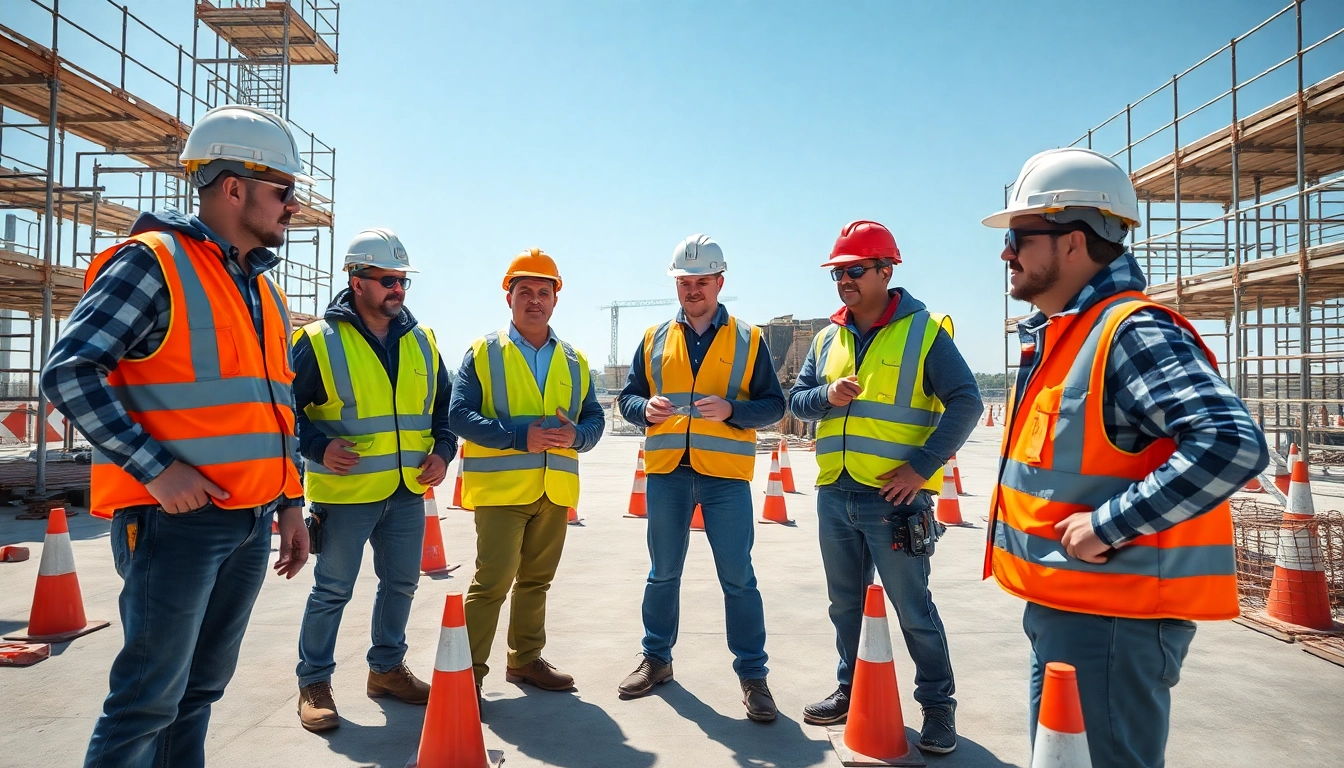
Personal Protective Equipment (PPE) forms the first line of defense in ensuring worker safety. Depending on the nature of the tasks, essential PPE may include:
- Hard hats to protect against head injuries
- Safety goggles for eye protection
- High-visibility vests to enable visibility on-site
- Steel-toed boots for foot protection
- Hearing protection in areas with high noise levels
Employers must ensure that PPE is provided at no cost to employees and that proper training is given on its use and maintenance. Regular inspections of PPE for wear and tear will ensure its effectiveness in protecting workers.
Training Workers for Safety Compliance
Training is a fundamental component of maintaining safety on construction sites. Effective training programs should cover the following areas:
- Safety Procedures: Workers should be well-versed in the safety protocols relevant to their specific roles and tasks.
- Emergency Preparedness: Conducting regular drills for emergency situations—such as fire, medical emergencies, or natural disasters—prepares workers to act quickly and effectively.
- Equipment Operation: Training on the safe operation of machinery and tools is critical, minimizing the risks associated with improper use.
An ongoing training program tailored to evolving safety standards and site-specific risks promotes a compliance-focused work culture.
Establishing Safety Protocols and Communication
Effective communication around safety protocols creates an environment where workers feel responsible and empowered to report unsafe conditions. Essential elements include:
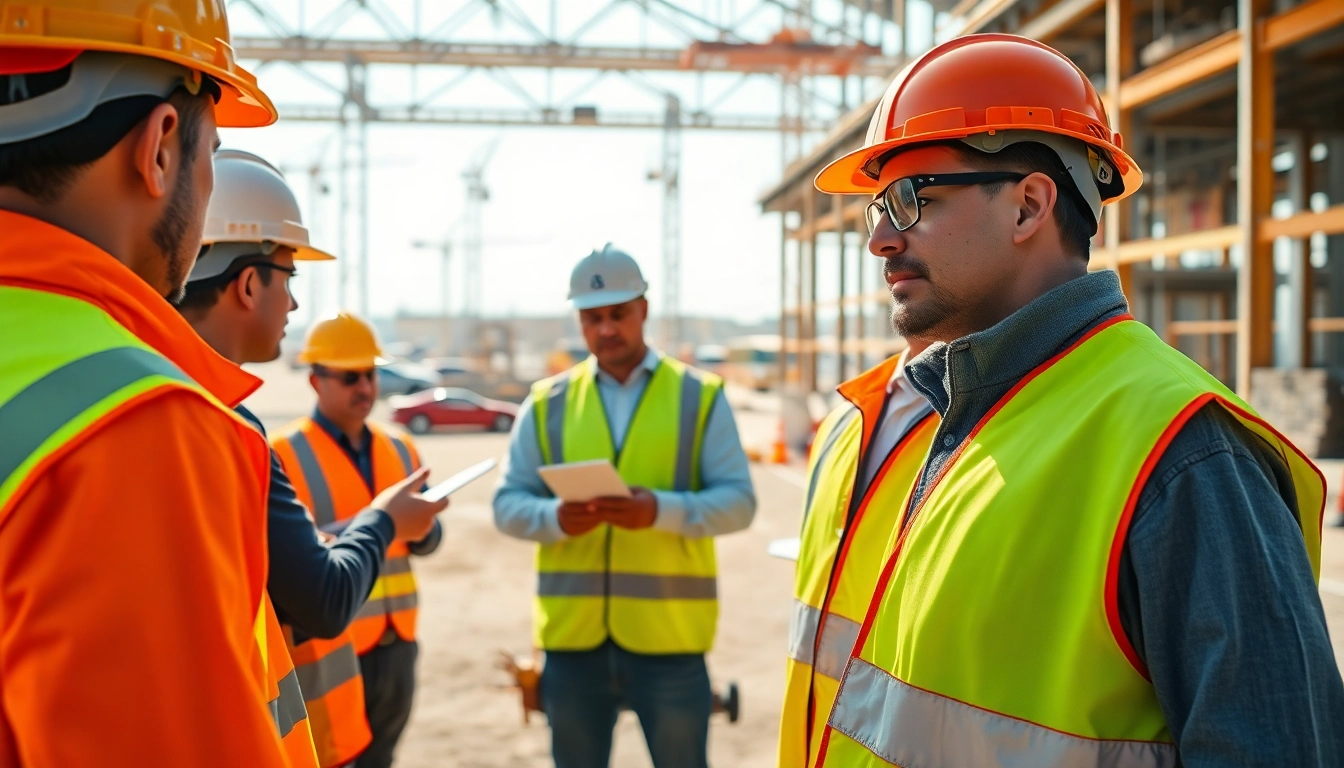
- Regular Safety Meetings: Holding frequent safety meetings helps to discuss ongoing issues, reinforce safety protocols, and share updates or changes in regulations.
- Clear Signage: Posting clear safety signs and guidelines throughout the construction site ensures visibility of safety standards and procedures.
- An Open-Door Policy: Encouraging workers to report safety concerns without fear of retribution fosters a proactive safety culture.
By integrating structured communication into daily operations, companies can foster safety as an engaging priority rather than a compliance task.
Implementing Effective Safety Strategies
Conducting Safety Audits and Inspections
Regular safety audits and inspections are vital for assessing compliance with safety regulations and identifying areas for improvement. Key steps include:
- Scheduling routine audits at predetermined intervals or following significant changes on-site.
- Utilizing checklists that align with OSHA standards to ensure thorough evaluations.
- Involving workers in the audit process to gain insights from their experiences on-site.
Post-audit, addressing any identified issues promptly and documenting corrective actions can enhance safety protocols significantly.
Utilizing Technology for Enhanced Safety
Advancements in technology have revolutionized construction site safety practices. Some impactful technologies include:
- Drones: Drones provide aerial footage of construction sites, enabling managers to monitor operations and identify hazards without physical presence.
- Wearable Technology: Wearables such as smart helmets and vests with built-in sensors can monitor worker fatigue, environmental conditions, and exposure to harmful substances.
- Mobile Safety Applications: These applications allow for real-time reporting of safety violations or hazards, streamlining communication between workers and management.
Embracing technology promotes a proactive approach to risk management, reducing incidents and enhancing overall site safety.
Creating a Culture of Safety on the Site
Establishing a culture of safety involves more than just enforcing regulations—it’s about embedding safety values in the company ethos. Techniques for fostering a safety culture include:
- Leading by example: Management should prioritize safety, demonstrating commitment through actions and policies.
- Recognizing and rewarding safe practices: Incentive programs for workers who adhere to safety protocols can reinforce their importance.
- Encouraging teamwork: Promoting a team-based approach to safety enhances collective responsibility among workers.
In cultivating a culture of safety, organizations not only comply with regulations but also create an environment where safety is respected as a critical value.
Emergency Preparedness and Response Plans
Developing Emergency Action Plans
Every construction site should have an emergency action plan (EAP) tailored to specific risks. Components of an effective EAP include:
- Identifying emergency situations that could arise, such as fire, chemical spills, or severe weather.
- Detailing procedures for evacuations, medical emergencies, and notifying authorities.
- Designating roles and responsibilities among workers for executing the plan efficiently.
Regularly reviewing and updating the EAP ensures it remains relevant and effective in the face of changing site conditions.
Training for Emergency Situations
Training workers for emergency situations is essential for effective response. Key training elements include:
- Conducting drills periodically to practice emergency procedures, ensuring that all workers know their roles.
- Providing basic first-aid training to selected personnel who can act quickly in medical emergencies.
- Creating scenario-based training that prepares workers to think critically and act decisively in emergencies.
Bolstering workers’ readiness through comprehensive training can save lives in critical situations.
Post-Incident Review and Improvement
After any incident—big or small—a robust review process is crucial. Post-incident reviews should involve:
- Documenting the incident thoroughly to understand the contributing factors.
- Conducting analysis sessions with all involved parties to gather insights and identify lessons learned.
- Updating safety protocols based on findings to prevent recurrence.
This cycle of review and improvement ensures that safety practices evolve continuously, reinforcing the commitment to preventing future incidents.
Measuring the Impact of Safety Practices
Tracking Safety Performance Metrics
To evaluate the effectiveness of safety practices, it is important to track relevant performance metrics, such as:
- Incident rates: Monitoring the frequency and types of incidents will help identify trends and areas for improvement.
- Near misses: Tracking near misses can provide insights into potential hazards that may not have resulted in incidents yet.
- Compliance rates: Regular assessments of compliance with safety regulations are essential for evaluating the effectiveness of safety protocols.
Utilizing a combination of quantitative and qualitative data provides a comprehensive view of site safety management.
Evaluating the Cost-Benefit of Safety Investments
Investing in safety measures can yield significant returns for construction companies. Analyzing the cost-benefit involves:
- Evaluating costs associated with safety training, equipment, and technology.
- Comparing these costs with the potential savings from reduced incidents, improved productivity, and lower insurance premiums.
- Considering the long-term benefits of an enhanced reputation and increased bidding opportunities due to a strong safety record.
Companies that strategically invest in safety can enjoy financial and operational benefits that far exceed their initial expenses.
Continuous Improvement Through Feedback
Continuous improvement strategies in safety practices hinge on regular feedback from both management and workers. Essential strategies include:
- Implementing feedback mechanisms such as surveys or suggestion boxes to collect workers’ insights on safety practices.
- Facilitating open discussions in safety meetings regarding potential improvements or new hazards observed on-site.
- Encouraging a learning environment where workers feel they can contribute to safety initiatives.
By fostering an atmosphere of continuous feedback and improvement, companies can enhance their safety protocols and worker engagement simultaneously.
Frequently Asked Questions about Construction Site Safety
What are the basic safety requirements on a construction site?
Basic safety requirements include using personal protective equipment (PPE), maintaining clear communication guidelines, and adhering to OSHA regulations. Regular training and safety audits are also crucial.
How often should safety training be conducted?
Safety training should be conducted regularly, with initial training for new employees, followed by refresher courses at least annually or whenever site conditions change significantly.
What types of accidents are most common on construction sites?
Common accidents include slips, trips, falls, being struck by objects, and equipment-related injuries. Proper training and safety measures can drastically reduce these incidents.
How can technology enhance construction site safety?
Technology enhances safety by providing real-time data, facilitating communication, aiding inspections, and offering solutions like drones and wearable safety devices that monitor conditions and behaviors.
What steps should be taken after a safety incident occurs?
After an incident, conduct an immediate investigation, document findings, hold a debriefing for all involved, and update safety procedures to prevent future occurrences. Engaging workers in discussion is also beneficial.