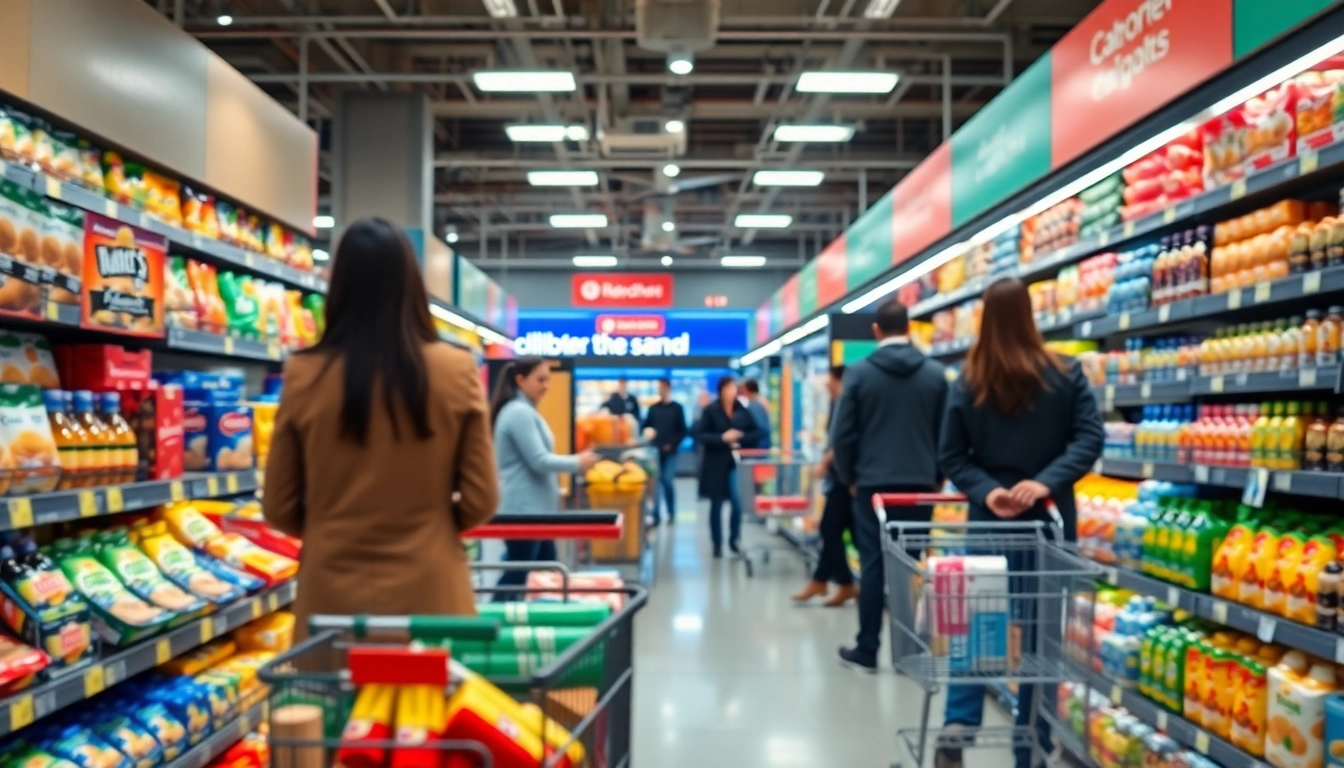
Introduction to Modern Trade
In today’s rapidly evolving retail landscape, understanding modern trade is essential for both consumers and businesses alike. modern trade refers to the organized retail sector characterized by large-scale outlets, including supermarkets, hypermarkets, and chain stores. This new era of retailing offers a more structured and efficient shopping experience compared to traditional trade, which comprises smaller, often unorganized retail formats. The significance of modern trade cannot be overstated; it shapes consumer behaviors, influences purchasing decisions, and impacts supply chain dynamics across the globe.
Definition and Importance of Modern Trade
Modern trade encompasses different forms of organized retailing. It includes establishments where products are sold in bulk, often benefitting from economies of scale. At its core, modern trade represents a shift towards professionalism in the retail sector. This shift is crucial for several reasons:
- Improved Consumer Experience: Modern trade outlets often provide a wider range of products, competitive pricing, and convenience.
- Operational Efficiency: Structured processes help streamline inventory management and logistics.
- Data-Driven Decisions: Retailers leverage technology to gather insights on consumer preferences and buying behavior.
Evolution of Retail: Traditional to Modern Trade
The transition from traditional to modern trade is primarily influenced by changing consumer lifestyles and technological advancements. Traditional trade relied heavily on small, localized shops with simple inventory systems. Conversely, the modern trade sector embraces a more sophisticated model, benefiting from technology and innovation.
- Advent of Supermarkets: The rise of supermarkets in the mid-20th century marked the beginning of organized retailing, offering consumers a vast selection under one roof.
- Technological Integration: Modern trade now utilizes e-commerce platforms, mobile apps, and data analytics to enhance every aspect of the shopping experience.
- Globalization: Modern trade has facilitated the entry of global brands into local markets, transforming consumer access to products.
Key Components of Modern Trade
Understanding the key components of modern trade is vital for recognizing its operational model and its effect on both consumers and businesses. These components include:
- Supply Chain Management: Modern trade emphasizes structured supply chain processes to ensure timely product availability.
- Retail Formats: Includes various formats like hypermarkets, supermarkets, convenience stores, and e-commerce platforms.
- Merchandising Strategies: Innovative displays, offers, and promotions are essential in attracting shoppers and increasing sales.
- Technology Utilization: The integration of technology, including point-of-sale systems and inventory management software, enhances efficiency and customer engagement.
Characteristics of Modern Trade
Organized Retail Formats
Modern trade is primarily characterized by organized retail formats that differ significantly from traditional retail structures. Key organized formats include:
- Supermarkets: Large self-service stores that offer groceries and household goods.
- Hypermarkets: Retail spaces that combine a supermarket and department store, offering a vast range of products.
- Discount Stores: These stores focus on providing lower prices through bulk purchase and reduced operational costs.
- E-commerce: Online shopping platforms that have become an integral part of modern trade, allowing consumers to make purchases at their convenience.
Technology Integration in Modern Trade
The role of technology in modern trade is paramount. Initiatives adopted by retailers include:
- Data Analytics: Understanding consumer behaviors through data helps businesses tailor marketing strategies.
- Inventory Management Software: Efficient tracking of stock levels to prevent overstocking or stockouts.
- Mobile Payments: Facilitating seamless transactions to enhance customer convenience at checkout.
- Customer Relationship Management (CRM): Tools to help businesses manage customer interactions and data throughout the customer lifecycle.
Consumer Behavior and Preferences
Modern trade has significantly influenced consumer behavior and preferences. Shifted dynamics include:
- Increased Expectation of Convenience: Shoppers now favor stores that offer ease of access, variety, and better services.
- Price Sensitivity: Due to the competitive nature of modern trade, consumers have become more price-conscious and often seek discounts or promotions.
- Sustainability Concerns: Modern consumers are showing greater interest in sustainable and eco-friendly products, influencing buying decisions.
Comparative Analysis: Modern Trade vs. Traditional Trade
Key Differences Explained
Understanding the differences between modern trade and traditional trade is critical for stakeholders in the retail space. Here are the key distinctions:
- Scale: Modern trade operates on a larger scale with extensive supply chains, while traditional trade is often localized and small-scale.
- Structure: Modern trade includes structured formats, such as branded chains, while traditional trade consists of independent retailers.
- Pricing Strategies: Modern trade benefits from bulk buying and economies of scale, offering competitive pricing, while traditional retailers often have limited pricing flexibility.
- Consumer Interaction: Modern trade leverages technology for enhanced customer interaction, whereas traditional formats rely more on personal selling techniques.
Advantages of Modern Trade
The evolution towards modern trade brings several advantages, including:
- Enhanced Customer Experience: Organized retail formats provide convenience, product variety, and better shopping environments.
- Efficient Operations: Greater efficiency is achieved through advanced logistics and inventory management systems.
- Bulk Buying Benefits: Retailers can negotiate better terms with suppliers, resulting in lower costs for consumers.
- Brand Visibility: Modern trade facilitates better shelf visibility for brands, enhancing consumer access to products.
Challenges in Transitioning
While there are numerous benefits, transitioning from traditional trade to modern trade poses challenges such as:
- Lack of Infrastructure: Developing countries may face infrastructural barriers that inhibit the establishment of modern trade.
- Resistance to Change: Traditional retailers may be reluctant to adopt new practices or technologies, hindering their competitive edge.
- High Initial Investment: The cost of establishing modern retail formats can be significant, discouraging potential entrants.
Strategies for Success in Modern Trade
Effective Merchandising Techniques
Merchandising is a vital component of modern trade success. Effective techniques include:
- Strategic Store Layout: Designing stores to maximize consumer interaction with products can significantly enhance sales.
- Themed Promotions: Seasonal themes or events can draw in customers and increase foot traffic.
- Effective Signage and Displays: Eye-catching displays can entice customers and drive impulse purchases.
Leveraging Technology for Sales
In the realm of modern trade, technology is key to driving sales. Effective strategies involve:
- E-commerce Integration: Bridging online and offline experiences ensures customers have access to products wherever they choose to shop.
- Utilize Social Media: Engaging customers through social media platforms can increase visibility and brand loyalty.
- Real-Time Data Analysis: Adapting sales strategies based on real-time sales data can enhance responsiveness to market trends.
Building Customer Relationships
Establishing strong customer relationships is crucial for retention in modern trade. Important strategies include:
- Customer Loyalty Programs: Rewarding customers at various touchpoints can enhance loyalty and repeat purchases.
- Personalized Marketing: Tailoring offers and communications based on customer preferences can foster deeper connections.
- Feedback Channels: Implementing customer feedback systems helps improve offerings and services based on real user experiences.
Future Trends in Modern Trade
Impact of E-Commerce
As e-commerce continues to expand, it profoundly influences modern trade, causing significant shifts such as:
- Omnichannel Retailing: The blending of physical and online shopping experiences is becoming essential for meeting customer expectations.
- Increased Competition: E-commerce platforms increase competition, pushing traditional retailers to innovate.
- Real-Time Tracking: Enhanced technology allows retailers to monitor consumer preferences and behaviors instantly.
Sustainability in Modern Trade Practices
Sustainability has become a critical concern in modern trade, with a growing focus on:
- Eco-Friendly Products: Consumers are increasingly looking for sustainable products, affecting purchasing decisions.
- Reduced Plastic Usage: Many retailers are adopting measures to minimize plastic packaging and waste.
- Energy-Efficient Operations: Implementing energy-efficient practices remains a key concern for modern traders.
Anticipating Consumer Changes
Understanding and adapting to consumer changes in preferences is crucial. Notable changes include:
- Health-Conscious Choices: Increased awareness of health and wellness influences shopping habits.
- Digital Engagement: Consumers are increasingly seeking digital interactions, necessitating a robust online presence.
- Experience Over Products: There is a trend towards valuing experiences rather than just buying products, leading to innovative retail offerings.
FAQs on Modern Trade
What defines modern trade?
Modern trade refers to organized retail formats like supermarkets that offer structured shopping experiences, enhancing convenience for consumers.
How does modern trade differ from traditional trade?
Modern trade utilizes large-scale, structured retail outlets, whereas traditional trade generally involves smaller, unorganized retail formats.
What are the benefits of modern trade?
Benefits include improved inventory management, enhanced customer experiences, and greater bargaining power with suppliers through bulk buying.
What role does technology play in modern trade?
Technology streamlines operations, improves customer engagement, and supports data-driven decision-making in modern trade environments.
What trends are shaping the future of modern trade?
Key trends include the rise of e-commerce, emphasis on sustainability, and the need for personalized shopping experiences.