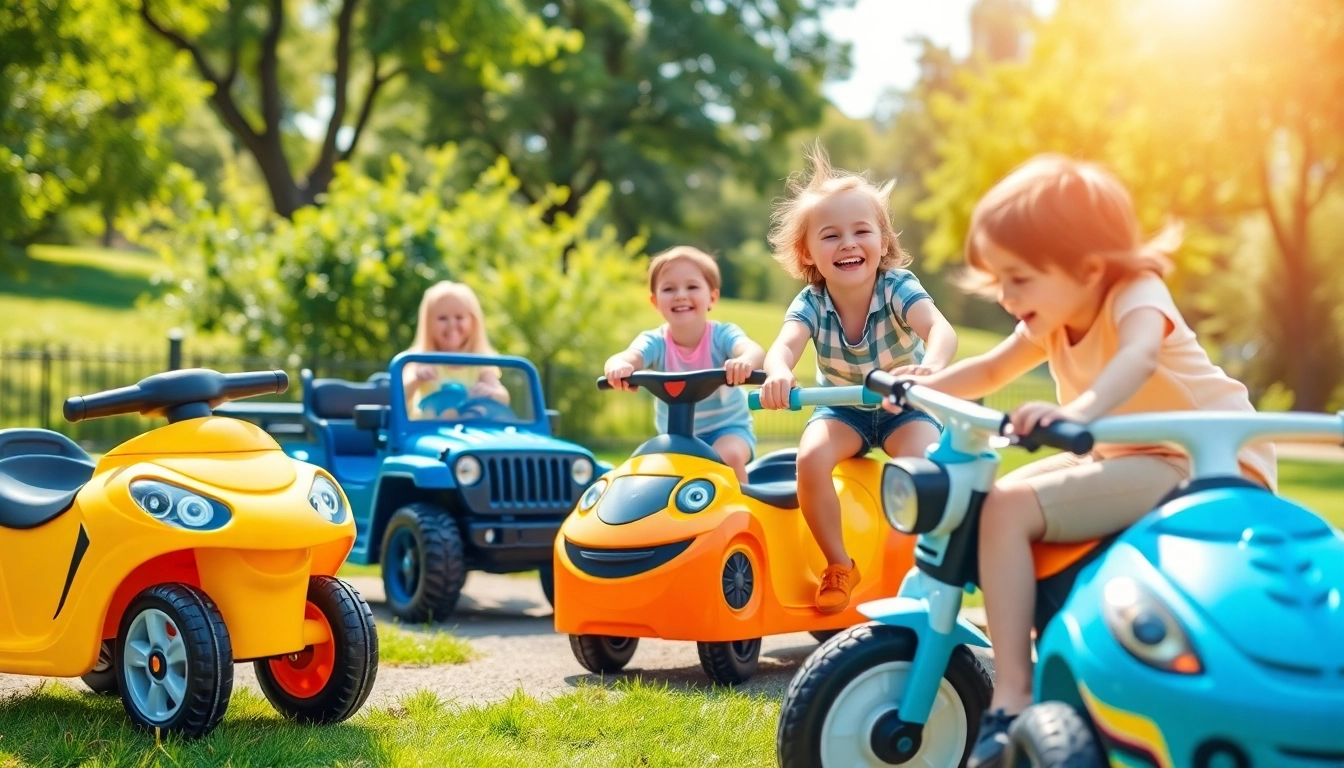
Introduction to Ride on Toys
Ride on toys are a popular choice for children, combining fun with developmental benefits. These toys allow kids to engage in imaginative play while promoting essential physical skills. As bustling little adventurers, children can experience the joy of motion, whether it’s through running, pushing, or riding. With a variety of designs and features available, ride on toys offer something for every child, igniting their curiosity and encouraging outdoor exploration.
What are Ride on Toys?
Ride on toys encompass a broad range of vehicles designed for children to ride, either manually or with a motor. These toys can include everything from tricycles and scooters to electric cars, providing a diverse selection that caters to different age groups and interests. Designed to help children develop balance, coordination, and strength, ride on toys are essential in promoting active play.
Benefits of Using Ride on Toys
The benefits of using ride on toys go far beyond mere entertainment. Here are some of the key advantages:
1. Physical Development: Riding toys encourage physical activity, helping children develop muscles and coordination.
2. Cognitive Skills: Many ride on toys require kids to think critically and make decisions while playing, enhancing problem-solving skills.
3. Social Interaction: Children often play together, which fosters social skills as they learn to share and cooperate.
4. Imaginative Play: Ride on toys stimulate imaginative scenarios, inviting children to engage in role-playing and storytelling.
5. Independence and Confidence: Mastering a ride on toy gives children a sense of achievement, boosting their self-esteem.
Age Appropriateness for Ride on Toys
When selecting ride on toys, age appropriateness is a key factor. Ride on toys are available for a wide range of ages, catering to the unique developmental stages of children:
– 1-2 Years: Ride on toys must be stable and easy to operate, helping young children develop balance while being safe.
– 3-5 Years: Kids can handle more complex toys, such as scooters or small electric cars that provide speed and adventure.
– 6-8 Years: As children grow, they may require larger toys, such as go-karts or more robust pedal bikes, that allow for exploration and longer rides.
Types of Ride on Toys
Understanding the various types of ride on toys is crucial to making an informed decision. These can be grouped into categories based on their power source and design.
Electric vs. Manual Ride on Toys
Ride on toys can be primarily classified into electric and manual versions. Each type has its own set of advantages:
– Electric Ride on Toys: These toys are battery-operated and often come with various features like music, lights, and remote controls. They often offer a more exhilarating experience for older children but require monitoring regarding speed and battery life.
– Manual Ride on Toys: Includes tricycles, balance bikes, and push toys that children propel with their legs. They promote physical fitness and offer a great way for younger kids to build strength and balance.
Popular Styles of Ride on Toys
Aside from the power source, ride on toys come in various styles that appeal to children’s different interests. Some popular styles include:
1. Tricycles: Great for younger children, providing stability and ease of use.
2. Scooters: Encourages balance and coordination, perfect for older toddlers and preschoolers.
3. Electric Cars: Mimicking real vehicles, these toys can feature various designs and often attract older children.
4. Animal Ride Ons: Fun, whimsical designs that spark children’s imagination.
5. ATVs and Go-Karts: Designed for older kids who crave speed and adventure.
Safety Features in Ride on Toys
Safety is paramount when it comes to ride on toys. Here are some essential safety features to consider:
– Seat Belts: Ensures the child is safely secured while riding.
– Speed Limiters: Especially useful for electric toys to avoid accidents.
– Sturdy Construction: The toy should be made from durable materials that withstand rough play.
– Non-slip Wheels: Provides enhanced traction and stability during use.
– Braking Systems: Easy-to-use brakes should be present to ensure rapid stopping.
Choosing the Right Ride on Toy
Selecting the ideal ride on toy involves several critical factors, ensuring that the toy aligns with your child’s interests and abilities while also prioritizing safety.
Factors to Consider Before Purchase
Before buying a ride on toy, evaluate the following factors:
1. Child’s Age and Size: Each toy has specific recommendations, so choose one that fits your child’s age and growth.
2. Skill Level: Consider your child’s proficiency with movement. New riders may benefit from easier, more stable options.
3. Safety Regulations: Check for any relevant safety guidelines, ensuring the toy complies with standards.
Top Features to Look for in Ride on Toys
In addition to safety, consider these top features when shopping for ride on toys:
– Adjustable Seats: Allow the toy to grow with your child.
– Durable Material: A robust design ensures longevity and withstands rough play.
– Ease of Use: The toy should be simple for your child to operate independently.
– Additional Features: Look out for extras like music systems or remote controls that enhance play.
Matching Ride on Toys to Your Child’s Needs
Finding the right fit for your child can make a big difference in their enjoyment and safety. Engage them in the selection process:
– Ask about their preferences regarding style and features.
– Test out toys in-store if possible, allowing them to feel the handling.
– Educate them about safe riding practices to cultivate responsible play.
Caring for Your Ride on Toys
Proper care can significantly extend the life and safety of your child’s ride on toys.
Maintenance Tips for Longevity
To keep your ride on toys in optimal condition, ensure regular maintenance, including:
– Regular Inspections: Frequently check for any wear and tear, especially on tires and batteries.
– Tightening Screws and Bolts: Ensure all parts are securely fastened.
– Battery Maintenance: If applicable, follow the manufacturer’s recommendations for charging and storage.
Cleaning and Safety Inspections
Regular cleaning and inspections help maintain safety and hygiene:
– Use a damp cloth to clean surfaces, ensuring no dirt or debris obstructs any parts.
– Check for rust or corrosion on metal components.
– After rain or snow, make sure to dry off any moisture to prevent deterioration.
Storage Solutions for Ride on Toys
When not in use, storing ride on toys properly is essential:
– Keep them indoors to protect them from the elements.
– Use storage bins or designated areas to avoid clutter and ensure easy access.
– If outdoors, consider weatherproof covers to shield them from rain or sun exposure.
Frequently Asked Questions about Ride on Toys
What age is appropriate for ride on toys?
Age appropriateness varies by toy. Generally, ride on toys are available for all ages, with specific designs catering to toddlers, preschoolers, and older children.
How do I ensure the safety of ride on toys?
Regular inspections, ensuring sturdy construction, and adhering to age recommendations are key to maintaining safety.
What types of surfaces are best for ride on toys?
Smooth, flat surfaces like driveways, sidewalks, or indoor floors are ideal. Avoid rough terrains to ensure safety.
Can ride on toys be used outdoors?
Yes, many ride on toys are designed for outdoor use. However, always check manufacturer guidelines regarding outdoor safety.
How to know if my child has outgrown their ride on toy?
If your child struggles to fit comfortably or maneuver the toy, it’s a sign that they may have outgrown it. Ensure they can safely operate it without any difficulty.