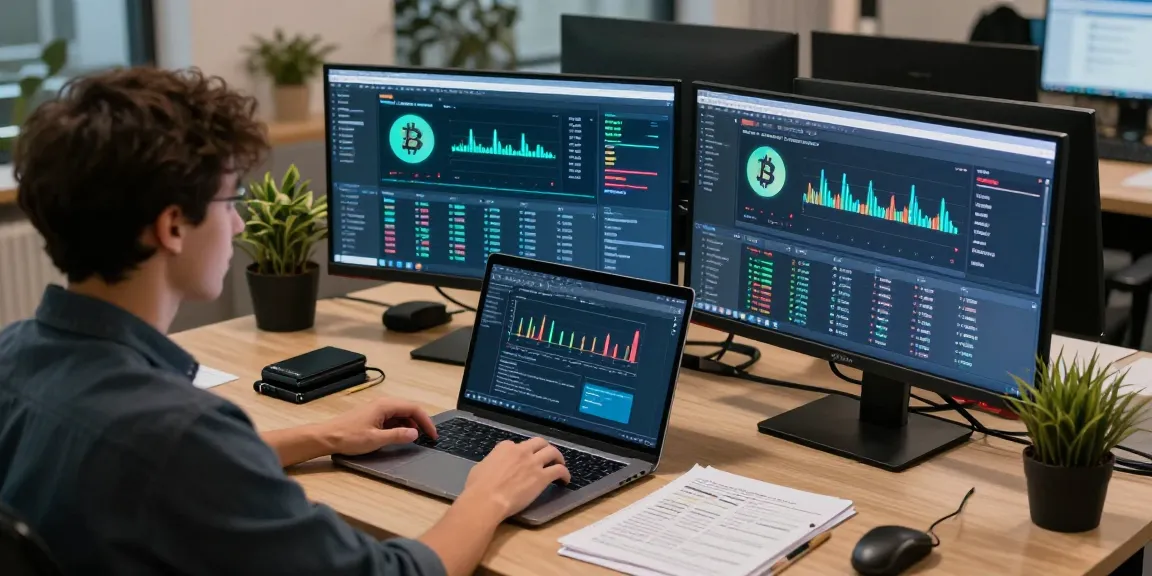
Understanding Automated Bitcoin Mining Technologies
As blockchain technology continues to evolve, the energy-intensive world of Bitcoin mining is witnessing a transformative shift toward automation. Automated bitcoin mining enables users to optimize their operations, reduce costs, and improve efficiency without the need for constant manual oversight. This innovative approach leverages advanced algorithms and artificial intelligence (AI) to enhance mining productivity while navigating the complexities of the cryptocurrency ecosystem. In this article, we will delve into the intricacies of automated mining, exploring its technologies, benefits, risks, and the regulatory landscape that shapes its future.
What is Automated Bitcoin Mining?
Automated bitcoin mining refers to the use of technology and software solutions to streamline and optimize the mining process of Bitcoin and other cryptocurrencies. This automation allows miners to use computing resources more effectively, often switching between different cryptocurrencies to maximize profitability based on fluctuating market conditions. It eliminates the manual intervention typically associated with traditional mining, enabling more consistent and efficient operations.
Key Technologies Behind Automation Tools
- Artificial Intelligence (AI): AI algorithms assess real-time market data to determine the most profitable cryptocurrencies for miners to target, automatically adjusting efforts accordingly.
- Cloud Mining: Cloud-based services allow users to rent mining power from remote data centers, making it accessible without physical hardware investments.
- Mining Pools: Participants can join pools to combine their hashing power, improving the likelihood of earning rewards by collectively mining blocks and sharing profits.
- Dedicated Mining Software: This specialized software includes features such as optimization algorithms for selecting the best coins to mine based on current difficulty levels and market prices.
Benefits of Automation in Bitcoin Mining
The adoption of automated bitcoin mining comes with a range of benefits:
- Increased Efficiency: Automation allows for continuous mining operations without the need for user intervention, maximizing uptime and productivity.
- Cost Reduction: By optimizing mining operations, miners can significantly reduce power consumption and operational costs, particularly when utilizing state-of-the-art hardware capabilities.
- Data-Driven Decisions: Advanced analytics provided by automated tools enable miners to make informed decisions about which cryptocurrencies to mine at any given moment.
- Access to Professional Resources: With platforms like automated bitcoin mining, even amateurs can benefit from sophisticated technology in this highly competitive space.
The Landscape of Bitcoin Mining Software
The market for Bitcoin mining software has diversified significantly, with numerous solutions available to cater to various needs and expertise levels. Understanding the features and functionalities of these tools is crucial for miners looking to maximize their investments.
Comparison of Popular Automated Mining Solutions
Several automated mining solutions have emerged as leaders in the market:
- CudoMiner: Offers a user-friendly interface that continuously scans the market to provide optimal mining opportunities based on profitability.
- NiceHash: A marketplace for buying and selling computational power, enabling users to select from a variety of mining algorithms.
- MinerGate: A multi-currency mining pool that also provides an easy-to-use application for Windows, Linux, and Mac.
Security Features in Mining Software
When selecting mining software, security should be prioritized. Key features to look for include:
- Two-factor authentication (2FA) to secure accounts
- Regular software updates to protect against vulnerabilities
- Encryption of user data and transactions
- Reputation in the mining community for reliability and support
Evaluating Software Efficiency and Profitability
Efficiency in mining software can be gauged through a combination of factors:
- Hash Rate: The speed at which a miner can complete mathematical equations, influencing the chances of earning rewards.
- Power Consumption: An efficient mining operation minimizes energy costs while maximizing output.
- Difficulty Adjustment: Monitoring mining difficulty levels in real-time is crucial for long-term profitability.
Risk Management in Automated Mining
While automated mining offers various advantages, it is not without risks. Understanding these risks is essential for setting up secure mining operations.
Common Risks in Automated Bitcoin Mining
- Market Volatility: Cryptocurrency prices can be extremely volatile, impacting potential profits significantly.
- Hardware Failure: Mining equipment can experience breakdowns or inefficiencies, leading to lost revenue.
- Software Vulnerabilities: Malicious software or hacking attempts can compromise both revenue and security.
Best Practices for Secure Mining Operations
To mitigate risks, miners should adopt certain best practices:
- Utilize reputable mining software with robust security features.
- Regularly update both hardware and software to protect against vulnerabilities.
- Diversify mining efforts across multiple coins to spread risk.
- Establish a strong password and utilize secure backups of important information.
Tools for Monitoring and Management
Successful mining requires ongoing monitoring of operations. Effective tools include:
- Mining Dashboards: Visual displays of performance metrics, including hash rate and earnings.
- Alerts for Downtimes: Automated notifications to keep miners informed of any operational issues.
- Profitability Calculators: Tools that help evaluate the effectiveness of mining strategies based on current expenses and market conditions.
Regulatory Compliance for Crypto Miners
As the adoption of cryptocurrencies becomes more widespread, regulatory compliance is becoming critical in the mining sector. Understanding the regulatory landscape helps miners navigate the complexities of operation legally.
Understanding Regulatory Frameworks for Mining
Different countries have various regulations that may impact mining operations. Miners should familiarize themselves with:
- Local laws regarding energy consumption and environmental impact
- Licensing requirements for operating mining facilities
- Specific regulations concerning taxation of mining activities
Tax Implications for Automated Mining Gains
Income generated from crypto mining is often subject to taxation. It is essential for miners to maintain accurate records and understand:
- The distinction between capital gains and ordinary income taxation
- Deductible expenses related to mining hardware and utilities
- Reporting requirements for income generated through cryptocurrency mining
Future Challenges in Compliance and Regulation
As the regulatory landscape evolves, new challenges are likely to arise. Trends to watch for include:
- Stricter regulations in response to environmental concerns associated with mining
- The potential classification of cryptocurrencies and tokens as securities
- International collaboration in regulating cross-border mining operations
Future Trends in Bitcoin Mining Automation
As technology progresses, several trends are shaping the future of bitcoin mining automation:
Emerging Technologies Shaping the Future
Advanced technologies, such as artificial intelligence (AI) and machine learning, are being integrated to enhance mining operations further. Tools that adapt and learn from operational data strive for optimal performance, paving the way for smarter mining practices.
Impact of Environmental Policies on Mining Practices
With increasing attention on climate change, mining operations are adapting by employing renewable energy sources and more efficient technologies to minimize their environmental footprint. Compliance with stringent environmental policies is expected to become a central aspect of mining operations.
Predictions for Mining Profitability in 2026
Estimates are suggesting that with coming improvements in hash efficiency and energy consumption, profitability prospects may become more favorable. However, market volatility will continue to influence earnings.
What Are the Future Skills Needed in Mining?
The evolution of mining requires miners to have a diverse skill set, including knowledge of:
- Advanced data analytics to assess and enhance mining operations
- Understanding and implementing blockchain technology
- Environmental sustainability practices to adhere to regulations
Which Cryptocurrencies Will Influence Mining?
Beyond Bitcoin, other cryptocurrencies may gain traction, leading to shifts in mining strategies. Notably, Ethereum’s transition to Proof of Stake (PoS) may change the dynamics and profitability of mining, emphasizing the importance of staying informed on industry developments.