Understanding the Basics of Groene Asperges Planten
Growing groene asperges, or green asparagus, is an enchanting journey for any garden enthusiast. Not only do these vibrant green vegetables bring a touch of elegance to your plate, but they also offer numerous health benefits. From rich vitamins to unique flavors, understanding the nuances of how to cultivate them can transform your gardening experience. In this comprehensive guide, we will explore everything you need to know about groene asperges planten, ensuring that your garden thrives and your harvest is bountiful.
What Are Groene Asperges and Their Benefits?
Groene asperges belong to the Asparagus officinalis species and are known for their distinct flavor and vibrant color. Unlike their white counterparts, green asparagus grows directly in sunlight, allowing the chlorophyll in the stalks to develop fully, thus providing a wealth of nutrients. These vegetables are not only rich in vitamins A, C, E, and K but also contain antioxidants, fiber, and folate, making them a highly nutritious addition to your diet.
Choosing the Right Variety for Your Garden
When selecting the right variety of groene asperges, consider factors such as climate, soil type, and intended use. Some popular varieties include:
- Mary Washington: Known for its high yield and disease resistance.
- Jersey Knight: A vigorous grower that produces thick spears.
- Purple Passion: Offers a sweeter taste and unique purple hues that turn green upon cooking.
Research these varieties to determine which will thrive best in your specific growing conditions.
Essential Growing Conditions for Success
To grow healthy groene asperges, it is essential to provide the right environment and soil conditions. They prefer well-drained soil with a pH between 6.5 and 7.5. Sandy loam is often ideal, allowing for good drainage while retaining necessary moisture. Additionally, ensure that your asparagus plants receive at least 6 to 8 hours of sunlight daily. A warm, sunny location will promote robust growth and flavorful spears.
Step-by-Step Guide to Planting Groene Asperges
Preparing Your Garden Bed for Planting
Before planting your groene asperges, preparation is key. Start by clearing the area of any weeds and debris. Then, dig a trench that is about 12-18 inches wide and 6-12 inches deep. Incorporate organic matter such as compost or well-rotted manure to enrich the soil. This process will boost fertility and improve drainage, creating a hospitable environment for the asparagus crowns.
Optimal Planting Techniques for Groene Asperges
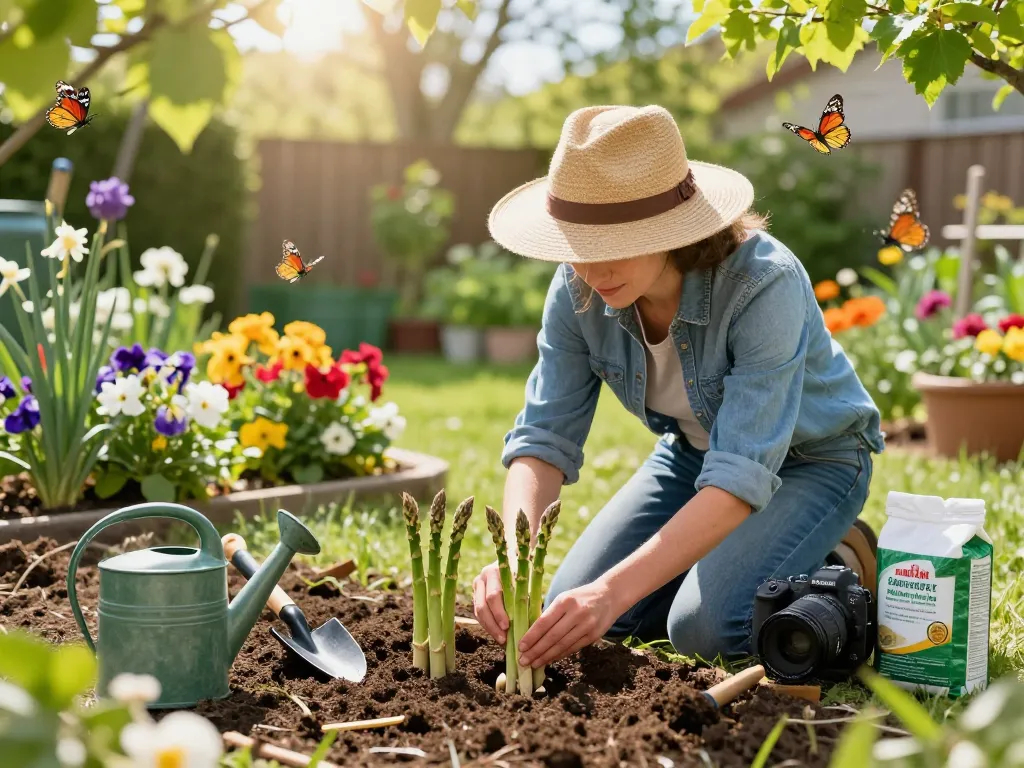
Once the garden bed is prepared, it’s time to plant. Space your asparagus crowns about 12 to 18 inches apart within the trench. Arrange the crowns so that the buds are pointing upwards, and then cover them gently with soil. Water the area thoroughly to settle the soil and remove any air pockets. Be cautious not to bury the crowns too deep; a depth of about 4-6 inches is ideal.
Timing Your Planting for Best Results
The best time to plant groene asperges is in early spring, after the last frost date. This timing ensures that the soil has warmed up enough for the crowns to establish quickly. In cooler climates, consider starting the crowns indoors to give them a head start before transplanting them outdoors.
Care and Maintenance of Groene Asperges Plants
Watering and Fertilization Best Practices
Once planted, maintaining consistent moisture levels is crucial, especially during their establishment phase. Water your asparagus regularly, aiming for about 1 inch of water per week. In addition, apply a balanced fertilizer or compost every spring to support healthy growth and development.
Pest and Disease Management Strategies
Asparagus is generally a hardy plant, but it can be susceptible to pests such as aphids and asparagus beetles. Implementing organic pest control methods, such as neem oil or insecticidal soap, can help manage these issues effectively. Regularly inspecting your plants will allow you to catch any potential problems early, ensuring robust plant health.
Weed Control Techniques to Protect Your Crop
Weeds can compete with your asparagus plants for nutrients and water, so controlling them is essential. Use mulch around the base of your plants to suppress weed growth and retain soil moisture. Hand-pulling or hoeing can also be effective, but be cautious not to disturb the asparagus crowns.
Harvesting and Using Your Groene Asperges
When and How to Harvest Your Plants
Typically, asparagus can be harvested in the spring, beginning approximately two to three years after planting. Wait until the spears reach around 6-8 inches in height before cutting them. Use a sharp knife to cut the spears just above the soil level, ensuring to harvest in the morning for optimal flavor.
Delicious Recipes to Enjoy Your Fresh Produce
Fresh groene asperges can be enjoyed in a variety of ways. Here are a couple of delightful recipes:
- Asparagus Risotto: Sauté chopped asparagus with onion and garlic, then add arborio rice and vegetable broth for a creamy dish.
- Grilled Asparagus: Toss asparagus spears with olive oil, salt, and pepper, then grill until tender for a perfect side dish.
Storing and Preserving Groene Asperges
To maintain freshness, store harvested asparagus in the refrigerator, wrapped in a damp paper towel or standing upright in a jar of water. If you have an abundance, consider blanching and freezing them for future use, which preserves their flavor and texture effectively.
Future Trends in Groene Asperges Cultivation
Innovative Techniques for Sustainable Gardening
The future of asparagus cultivation is leaning towards sustainability, with innovative techniques such as companion planting and organic gardening gaining popularity. Using natural fertilizers and pest control methods not only benefits the environment but also enhances the quality of your produce.
Predicted Changes in Asparagus Farming by 2026
By 2026, trends indicate that more gardeners will turn to vertical farming for asparagus cultivation. This method not only maximizes space but also makes it easier to manage and harvest the crops.
Integrating Technology in Home Gardening
The integration of technology, such as smart irrigation systems and garden management apps, is set to revolutionize how we grow groene asperges. These tools can optimize growth conditions and help gardeners track their plants’ progress with ease.
What is the ideal time to plant groene asperges?
The ideal time to plant groene asperges is in early spring after the last frost, when the soil temperatures are optimal for germination and growth.
How deep do I plant groene asperges?
Plant groene asperges crowns about 4-6 inches deep to allow for proper growth and establishment.
What pests should I watch out for when growing asparagus?
Keep an eye out for asparagus beetles, aphids, and slugs, which can harm your plants if not managed early.
How many years does it take for asparagus to produce?
Asparagus typically takes two to three years to produce harvestable spears after planting, but the wait is well worth it for the delicious rewards.
Can I grow groene asperges in pots?
While it’s possible to grow groene asperges in pots, ensure that the container is large enough to accommodate their extensive root systems, ideally at least 5 gallons in size.