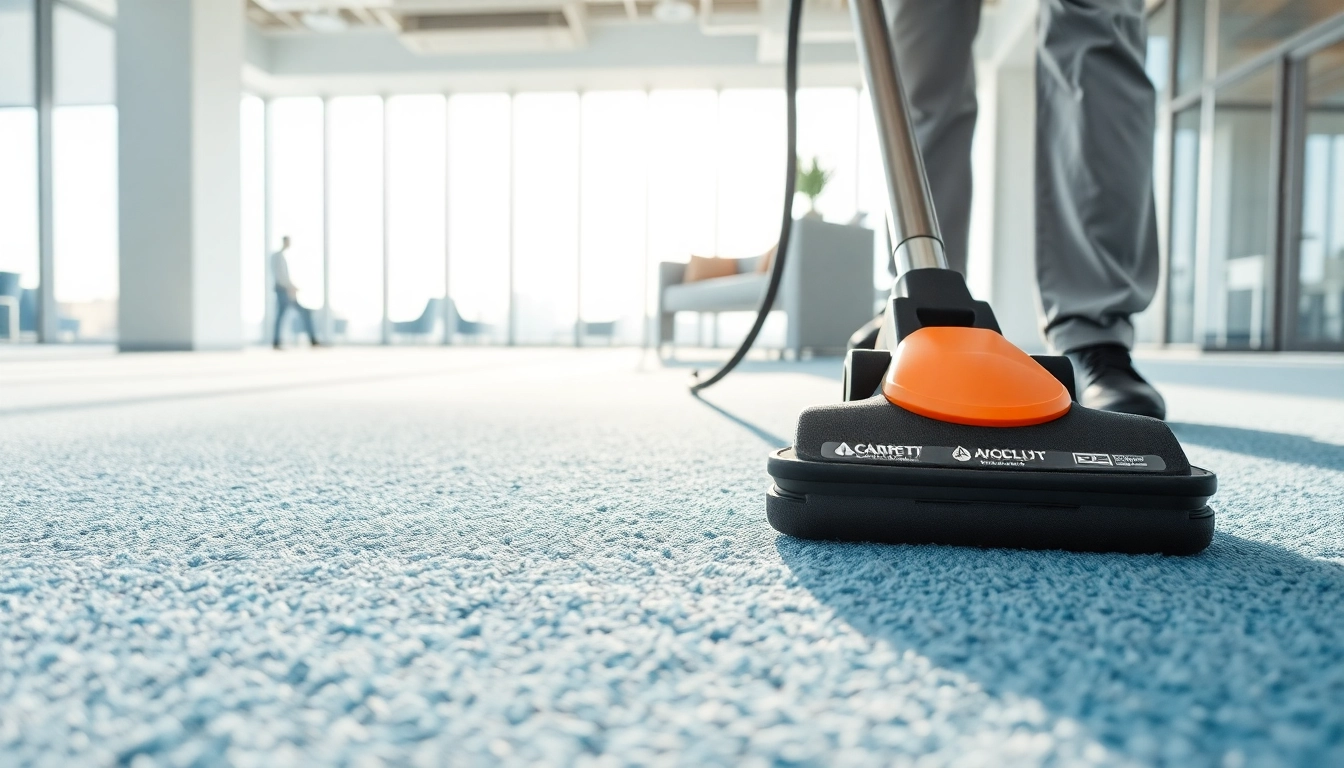
Understanding Commercial Carpet Cleaning
What is commercial carpet cleaning?
Commercial carpet cleaning refers to the specialized cleaning services designed specifically for business environments. Unlike residential cleaning, which may focus on aesthetic appeal, commercial cleaning addresses high-traffic areas, the variety of materials used in commercial settings, and the unique challenges posed by soil and stains from daily operations. From large office buildings to retail spaces, ensuring that carpets remain clean is crucial for maintaining a professional appearance and upholding a healthy indoor environment.
Importance of regular maintenance
Regular maintenance of carpets in commercial spaces is essential for several reasons. First, a clean carpet contributes significantly to creating a positive first impression for clients and visitors. Additionally, routine cleaning prolongs the life of carpets by preventing dirt and stains from becoming embedded in the fibers.
Moreover, regular cleaning reduces allergens and pollutants, ensuring a healthier environment for employees. Poor air quality can lead to increased sick days and reduced productivity, which ultimately impacts the bottom line. Therefore, scheduling a commercial carpet cleaning routine is not just about cleanliness—it’s also an investment in employee well-being and office aesthetics.
Different methods for commercial carpet cleaning
There are several methods for cleaning carpets in commercial settings, each suited for different types of carpets and levels of soil. Some of the most common methods include:
- Steam Cleaning: Also known as hot water extraction, this method uses high temperatures to remove dirt and stains. It’s thorough and effective but usually requires longer drying times.
- Dry Cleaning: This method uses specialized chemical solutions to clean carpets with minimal moisture, making it a quicker option for busy environments.
- Bonnet Cleaning: In this method, a rotating floor machine with a cleaning pad absorbs dirt from the carpet surface. It’s efficient for maintaining appearance but may not provide deep cleaning.
- Encapsulation: This is a recent innovation where a cleaning chemical is applied, encapsulating dirt. It dries to a powder that can be vacuumed away, making it efficient for ongoing maintenance.
Choosing the Right Cleaning Method
Comparing steam cleaning and dry cleaning
The choice between steam cleaning and dry cleaning often depends on various factors, including the type of carpet, the level of soil, and operational downtime. Steam cleaning is generally considered the more thorough method, effectively removing embedded dirt and allergens. However, it requires time for carpets to dry, potentially disrupting business operations.
On the other hand, dry cleaning is significantly faster, allowing carpets to be ready for use almost immediately. However, it may not clean deeply embedded soil as effectively as steam cleaning. Evaluating these factors can help businesses select the right method for their needs.
Factors influencing method selection
Several factors influence the choice between steam and dry cleaning:
- Type of Carpet: Some carpets are better suited to specific cleaning methods. For instance, delicate fibers may not fare well with steam cleaning.
- Soil Level: Heavily soiled carpets may require thorough steam cleaning, while lightly stained carpets can be managed with dry cleaning.
- Time Constraints: Businesses that cannot afford downtime might lean towards dry cleaning for its fast results.
- Health Considerations: Steam cleaning can be beneficial in reducing allergens, making it preferable for sensitive environments.
How to perform spot cleaning effectively
Effective spot cleaning can significantly prolong the life of carpets and improve aesthetics. The essential steps include:
- Act Quickly: Address spills immediately to prevent stains from setting.
- Blot, Don’t Rub: Use a clean cloth to blot the spill, working from the outside towards the center.
- Use Appropriate Cleaners: Choose cleaning products specific to the type of stain (e.g., grease, food, or beverage).
- Test First: Always test the cleaner on a small, inconspicuous area of the carpet to ensure it doesn’t damage the fibers.
- Rinse Thoroughly: After applying a cleaner, use a small amount of water to rinse and blot again to remove any residue.
Best Practices for Carpet Maintenance
Creating a carpet cleaning schedule
Establishing a carpet cleaning schedule is vital for effective maintenance. Frequency should depend on the level of foot traffic, the type of carpet, and usage. Typical recommendations include:
- High-traffic areas should be cleaned at least once every six months.
- Low-traffic areas may only require annual cleaning.
- Spot cleaning should be performed as needed, ideally within hours of a spill.
Adhering to a schedule ensures that carpets remain clean and in good condition, and it aids in minimizing the occurrence of stubborn stains.
Choosing the right cleaning products
Selecting appropriate cleaning products is essential for maintaining carpet integrity and appearance. When choosing, consider the following:
- pH Levels: Opt for neutral or low-pH products to avoid damaging carpet fibers.
- Environmentally Friendly: Choose eco-friendly products when possible to minimize environmental impact and reduce exposure to harmful chemicals.
- Stain Specificity: Select products tailored to specific types of stains for more effective results.
- Equipment Compatibility: Ensure that the products are suitable for the cleaning equipment being used.
Training staff for carpet care
Training staff on carpet care is crucial for ensuring that carpets are maintained correctly. Providing team members with proper training can enhance carpet longevity and appearance. Key training elements include:
- Cleaning Techniques: Educate employees on proper cleaning methods and techniques for spot cleaning.
- Maintenance Routine: Ensure they understand the importance of adhering to cleaning schedules.
- Product Knowledge: Teach staff about the different products and their suitable application.
- Reporting Issues: Implement a system for staff to report problems like stains and odor issues promptly.
Common Challenges in Commercial Carpet Cleaning
Addressing stubborn stains
Stubborn stains can pose significant challenges in maintaining carpets in commercial environments. Common culprits include coffee, ink, and grease. Addressing these effectively requires:
- Identifying the type of stain to choose the appropriate cleaning method.
- Using a targeted stain remover, allowing it to sit for the required time before blotting.
- Consulting with professionals for very persistent stains that require advanced techniques.
Dealing with high-traffic areas
High-traffic areas are prone to quicker wear and soil accumulation, making them challenging to maintain. Mitigation strategies include:
- Regular cleaning, ideally more frequent than in lesser-used areas.
- Using suitable mats at entrances to trap dirt before it reaches the carpet.
- Investing in durable carpet options designed for high-traffic performance.
Managing odor issues
Odor issues can arise from spills, mold, or moisture trapped in carpets. To manage odors effectively:
- Ensure regular cleaning to remove buildup that can cause odors.
- Investigate potential sources of moisture and address water damage proactively.
- Utilize odor-neutralizing products specifically designed for carpets.
Measuring and Enhancing Performance
Key metrics for evaluating cleaning effectiveness
To measure the effectiveness of carpet cleaning practices, consider the following key metrics:
- Appearance: Assess the visible cleanliness and aesthetic appeal of the carpets.
- Longevity: Monitor the lifespan of carpets to determine the effectiveness of cleaning schedules.
- Employee Feedback: Collect insights from employees regarding cleanliness and odors.
Collecting customer feedback
Customer feedback is essential for evaluating carpet cleanliness from a visitor’s perspective. Strategies include:
- Creating surveys that inquire about impressions related to carpet cleanliness.
- Encouraging open communication where visitors can report cleanliness issues.
- Incorporating feedback into regular cleaning assessments for continuous improvement.
Continuous improvement strategies
Implementing continuous improvement strategies can enhance carpet maintenance outcomes. Key strategies involve:
- Regularly reviewing cleaning schedules to ensure they align with current usage levels.
- Investing in training for cleaning staff to incorporate the latest carpet cleaning technologies.
- Adjusting cleaning methods based on the feedback received from employees and customers.
Frequently Asked Questions
What is the best method for commercial carpet cleaning?
The best method often depends on the carpet type and soil level. Steam cleaning is thorough, while dry cleaning is quicker.
How often should commercial carpets be cleaned?
High-traffic areas should be cleaned every 6 months, with low-traffic areas requiring at least annual cleaning.
Are commercial carpet cleaning products safe?
Most commercial carpet cleaning products are safe when used according to guidelines. Choose eco-friendly options when possible.
Can I spot clean without professional help?
Yes, spot cleaning can be done effectively by following best practices, but for stubborn stains, professionals may be necessary.
Will cleaning harm my carpet?
Proper cleaning methods and products will not harm carpets. It’s important to follow guidelines for each specific carpet type.