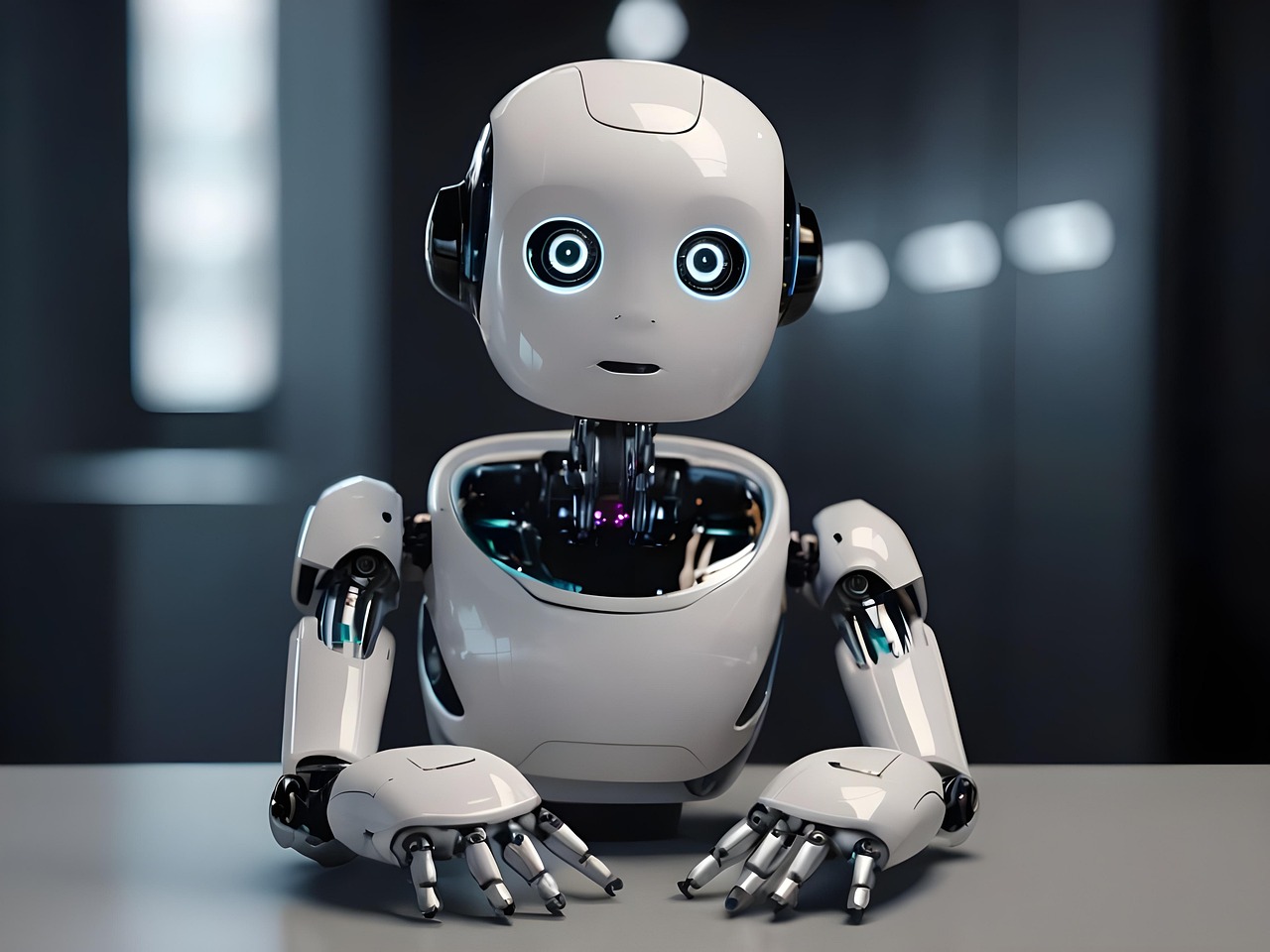
In today’s fast-paced business world, companies are constantly seeking ways to streamline operations, reduce costs, and boost productivity. One of the most transformative solutions driving this change is the integration of an AI Employee into the workplace. From automating routine tasks to enhancing decision-making processes, AI Employee tools are redefining how businesses operate, creating a new standard for efficiency and effectiveness.
What Is an AI Employee?
An AI Employee is a software-based system designed to perform tasks traditionally handled by human staff. Leveraging artificial intelligence, machine learning, and automation technologies, AI Employees can handle repetitive processes, analyze large datasets, and provide actionable insights in real time. Unlike traditional automation, AI Employees are capable of learning and adapting, making them invaluable assets for businesses looking to scale operations without proportionally increasing headcount.
Key Capabilities of an AI Employee
- Task Automation
AI Employees excel at automating repetitive and time-consuming tasks such as data entry, scheduling, and report generation. By offloading these tasks, human employees can focus on strategic initiatives that require creativity and critical thinking. - Data Analysis and Insights
Modern AI Employee tools can process vast amounts of data, identify patterns, and generate actionable insights. This empowers businesses to make data-driven decisions faster and with greater accuracy. - Customer Interaction
Many AI Employees are equipped with natural language processing capabilities, allowing them to handle customer inquiries via chat, email, or voice. This not only improves response times but also enhances the overall customer experience. - Collaboration Support
AI Employees can integrate with project management tools, calendars, and communication platforms to help teams collaborate more efficiently. They can track deadlines, send reminders, and even suggest workflow improvements.
How AI Employee Tools Boost Productivity
Integrating AI Employee tools into your business operations has a direct impact on productivity. By handling repetitive and administrative tasks, AI Employees free up human staff to focus on higher-value work.
Reducing Time Spent on Routine Tasks
Routine processes such as inventory tracking, invoice processing, and appointment scheduling can consume significant employee hours. An AI Employee can perform these tasks autonomously, reducing errors and accelerating completion times.
Enhancing Decision-Making
AI Employees provide real-time analytics and predictive insights, enabling managers to make faster, more informed decisions. This capability is especially valuable in industries where market conditions change rapidly, as AI Employees can analyze trends and suggest strategic actions.
Improving Workflow Efficiency
AI Employee tools can monitor ongoing projects and identify bottlenecks in workflows. By highlighting inefficiencies and recommending optimizations, AI Employees help teams work smarter and meet deadlines more consistently.
Popular AI Employee Tools and Platforms
There is a growing ecosystem of AI Employee tools designed to meet diverse business needs. Some popular categories include:
Virtual Assistants
Virtual AI Employees like chatbots or voice assistants manage communication, schedule appointments, and provide instant customer support. They are ideal for businesses looking to improve response times without adding additional staff.
Data Analytics Platforms
AI Employees in the form of analytics tools can track key performance indicators, analyze trends, and generate reports. Businesses leveraging these tools gain a competitive edge by turning raw data into actionable insights.
Workflow Automation Solutions
These AI Employees integrate with business software to automate repetitive processes, manage projects, and streamline approvals. They help maintain consistency and accuracy across operations.
Implementation Best Practices
To maximize the benefits of an AI Employee, businesses should consider the following best practices:
- Identify Suitable Tasks
Focus on processes that are repetitive, time-consuming, or data-heavy, as these are the areas where an AI Employee can deliver the most value. - Ensure Integration with Existing Systems
An AI Employee works best when fully integrated with your current software and tools, ensuring seamless operations across departments. - Provide Training and Support
While AI Employees handle many tasks independently, staff should be trained to monitor performance and manage exceptions to avoid workflow disruptions. - Continuously Monitor and Optimize
Regularly evaluate the AI Employee’s performance to identify opportunities for further automation, efficiency improvements, or additional functionality.
Challenges and Considerations
Despite the advantages, businesses must also consider challenges when adopting AI Employee tools:
- Data Privacy and Security: AI Employees often handle sensitive information, requiring robust security protocols.
- Change Management: Employees may need support to adapt to working alongside AI Employees.
- Initial Investment: Implementing AI Employee tools may require upfront costs, though long-term ROI is typically substantial.
The Future of AI Employees
As AI technology continues to advance, the capabilities of AI Employees will expand further. Future AI Employees are expected to take on more complex decision-making, provide predictive strategic insights, and interact more naturally with human employees. Businesses that embrace AI Employee tools today will be better positioned to thrive in the competitive, technology-driven marketplace of tomorrow.
Conclusion
AI Employee tools are revolutionizing the way businesses operate by increasing productivity, improving efficiency, and enhancing decision-making. By automating routine tasks, providing valuable insights, and supporting team collaboration, an AI Employee allows human staff to focus on innovation and strategy. For companies aiming to stay competitive in 2026 and beyond, integrating AI Employees is no longer optional—it’s essential.