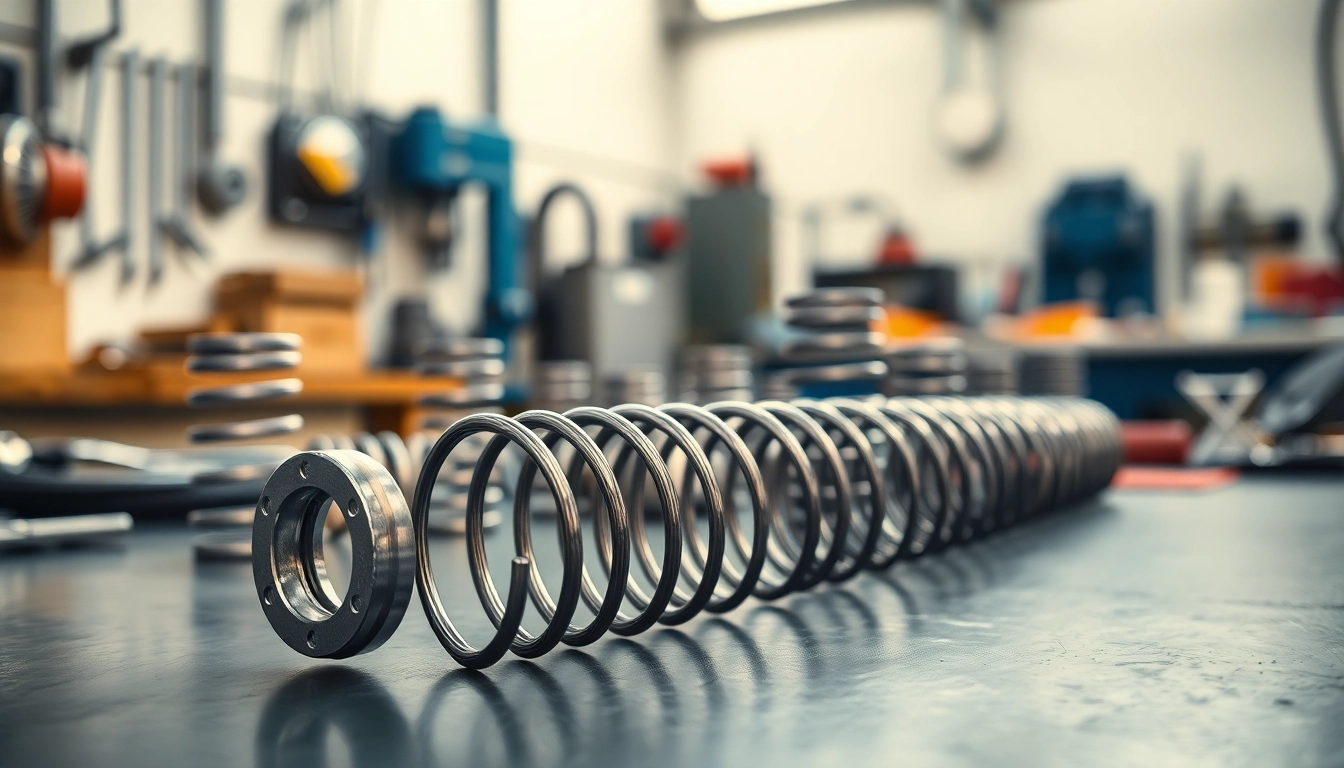
The Basics of Gas Springs
What is a Gas Spring?
A gas spring, sometimes referred to as a gas strut, is a device used to provide controlled motion and force through the use of compressed gas. These springs are typically comprised of a cylinder containing gas, a piston, and a rod. When the rod is pulled or pushed, the compressed gas allows for a smooth and stable movement. As versatile components, gas springs play critical roles in various applications, from automotive hoods to office chairs.
How Gas Springs Work
Gas springs operate on the principle of gas compression. Inside the cylinder, a gas (most commonly nitrogen) is pressurized, allowing it to exert force. When the piston is moved, the gas expands or contracts, offering resistance that can be adjusted depending on the application’s needs. This mechanism enables the gas spring to either support a weight or control the speed of the movement. Proper sizing and configuration are crucial for the effectiveness of the spring.
The Benefits of Using Gas Springs
Gas springs offer numerous advantages, including:
- Controlled Movement: They enable smooth, controlled motions in machinery or furniture.
- Durability: Made from high-quality materials, gas springs are designed to withstand heavy loads and extreme conditions.
- Space Efficiency: Their compact size allows for versatile design applications.
- Safety: Gas springs often contain safety mechanisms that prevent sudden failures.
- Adjustability: Many gas springs can be adjusted for different load capacities, making them highly customizable.
Types of Gas Springs
Common Variants of Gas Springs
Gas springs come in various forms, each designed to cater to specific applications:
- Standard Gas Springs: Used in general applications, featuring a simple design.
- Locking Gas Springs: These allow for the position to be locked in place, providing additional security.
- Compression Gas Springs: Provide a force when compressed, useful in adjustable furniture.
- Extension Gas Springs: Extend outward to assist with lifting tasks.
Applications for Different Gas Springs
Gas springs find uses across different industries, including:
- Automotive: Commonly used for hoods, trunks, and tailgates, allowing for easy access and support.
- Heavy Machinery: Used in equipment to provide balance and support while in operation.
- Furniture: Essential in office chairs and tables, allowing for height adjustments.
- Healthcare: In medical equipment, gas springs provide support and ease of movement when positioning devices.
Selecting the Right Type
When selecting a gas spring, consider the following factors:
- Load Capacity: Ensure the gas spring can handle the weight of the object it will support.
- Stroke Length: Choose a gas spring with an appropriate stroke length for your application.
- Mounting Style: Verify that the mounting options align with your design.
- Environmental Conditions: Assess if the gas spring needs to withstand specific temperatures or other environmental factors.
Gas Spring Supplier Considerations
Choosing a Reliable Gas Spring Supplier
Finding a reputable Gas Spring Supplier is crucial for ensuring product quality and support. Look for suppliers with a solid track record, positive reviews, and comprehensive customer service. Additionally, consider their experience within the industry and the range of products they offer.
Evaluating Quality and Standards
Quality should be the foremost concern when selecting a gas spring supplier. Suppliers should adhere to industry standards such as ISO certifications, which ensure that their products meet specific quality benchmarks. Seeking suppliers that conduct rigorous testing on their products can also provide peace of mind regarding reliability and safety.
Understanding Supplier Capabilities
Evaluate suppliers based on their range of capabilities. Key factors include:
- Customization: Can they accommodate specific requirements for unique applications?
- Production Capacity: Are they capable of fulfilling large orders in a timely manner?
- Technical Support: Do they offer assistance in choosing the right gas springs for specific applications?
Market Trends in Gas Springs
Innovations in Gas Spring Technology
The gas spring industry is witnessing several innovations aimed at enhancing performance and safety. Technologies such as smart gas springs are being developed to incorporate sensors that provide real-time data on the spring’s performance. This innovation can lead to predictive maintenance, minimizing downtime.
Future Directions for Gas Spring Suppliers
As markets evolve, suppliers must adapt to meet changing demands. Trends toward sustainability are prompting manufacturers to explore eco-friendly materials and production methods. Additionally, the growing automation in manufacturing processes may lead to more sophisticated gas spring solutions tailored for advanced robotics.
Challenges Facing the Industry
Despite growth opportunities, the gas spring industry faces numerous challenges, including:
- Raw Material Availability: A shortage of necessary materials can impact production schedules.
- Regulatory Compliance: Adhering to varying international regulations can complicate supply chains.
- Competition: Increased competition can drive prices down, affecting profit margins.
FAQs About Gas Springs
What are gas springs used for?
Gas springs are used in various applications, including automotive hoods, furniture adjustments, and medical equipment positioning.
How long do gas springs last?
The lifespan of gas springs can vary but generally lasts between 20,000 to 80,000 cycles depending on usage and quality.
Can gas springs be repaired?
Typically, gas springs are not designed for repairs. It is advisable to replace them once they fail for safety and reliability.
Where can I find a gas spring supplier?
Gas spring suppliers can be found online or through industrial supply distributors specializing in mechanical components.
What materials are gas springs made from?
Gas springs are often made from steel or aluminum for the casing, with internal components typically utilizing high-quality seals and gas like nitrogen.