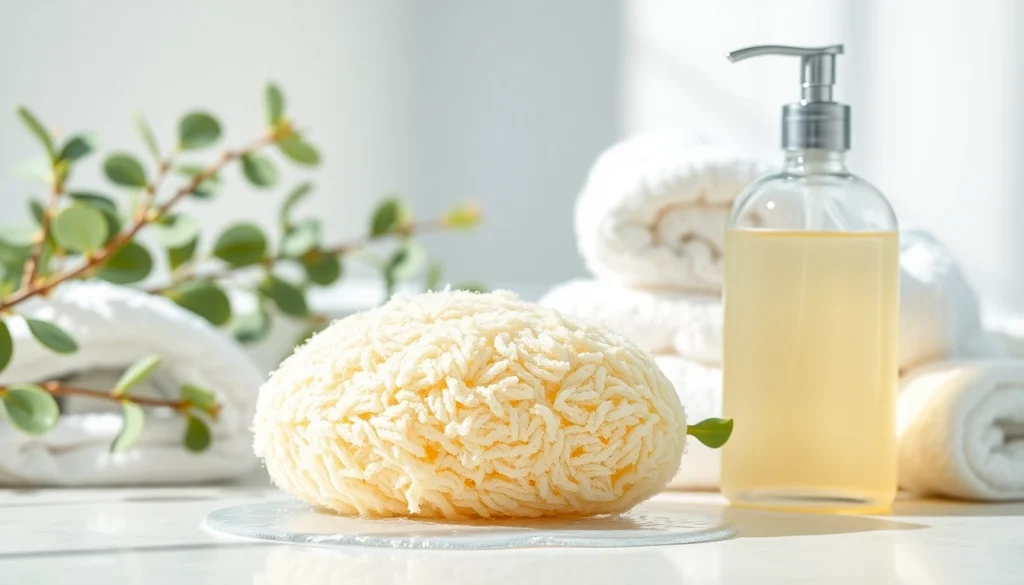
Why Cleaning Your Loofah is Important
Loofahs are a popular bathing tool, used for exfoliating the skin and promoting a deep cleanse while showering. However, many people overlook the importance of maintaining these natural sponges. Learning how to clean a loofah effectively is critical for ensuring hygiene and prolonging its usefulness. This article delves into the necessity of cleaning your loofah, the potential risks associated with neglect, and the best practices to keep it clean and functional.
Health Risks of Dirty Loofahs
A dirty loofah can harbor bacteria, mold, and even fungus due to the moisture it retains, creating a thriving environment for harmful microorganisms. Studies have shown that loofahs can contain pathogens that cause skin irritations, infections, and other health issues if used without proper cleaning. Regularly cleaning your loofah not only reduces the risk of skin problems but also ensures a more enjoyable bathing experience.
The Environmental Impact of Loofahs
Loofahs are biodegradable and come from the natural fibers of the gourd plant. However, when loofahs are used excessively without cleaning and are disposed of improperly, they can contribute to environmental waste. Learning how to properly clean and maintain your loofah extends its lifespan and reduces waste in landfills. By caring for your loofah, you also embrace a more sustainable approach to personal hygiene.
How Regular Cleaning Enhances Longevity
By regularly cleaning your loofah, you can enhance its longevity significantly. A well-maintained loofah can serve you for several months, whereas a neglected one can degrade quickly. The cleaning process not only removes bacteria and grime but also prevents the loofah from becoming misshapen and frayed. This practice not only saves you money but also promotes responsible usage of your personal care products.
Preparing to Clean Your Loofah
Materials Needed for a Natural Cleaning
Cleaning your loofah naturally often requires simple household items. Here are the basic materials you’ll need:
- Warm water
- White vinegar or baking soda
- Essential oils (optional for scent)
- A bowl or basin for soaking
- Soft brush or sponge for scrubbing
Choosing the Right Cleaning Solution
When it comes to cleaning your loofah, you can choose from natural cleaning agents that are both effective and safe. White vinegar is a well-known disinfectant, while baking soda acts as a gentle abrasive to remove scum. If you prefer scents, adding a few drops of essential oil like tea tree or lavender can provide antibacterial properties and a pleasant fragrance.
How to Properly Soak Your Loofah
Start by filling a basin with warm water and add your chosen cleaning solution. Soak the loofah in this mixture for about 10-15 minutes. Allowing it to soak helps loosen up dirt and bacteria, making the subsequent cleaning process smoother and more effective.
Step-by-Step: How to Clean a Loofah
Initial Rinsing Process
Begin by rinsing your loofah under warm running water. This initial rinse will help remove surface dirt and allow any cleaning agents to penetrate effectively during the soaking process. Pay close attention to any areas with visible dirt or buildup.
Applying Natural Cleaners Effectively
After soaking, remove your loofah from the solution and gently press it to eliminate excess water. Next, apply a small amount of baking soda or vinegar directly onto the loofah’s surface. Using a soft brush or sponge, scrub the loofah gently, paying attention to crevices where bacteria may accumulate. The abrasion created by the brush helps remove dead skin cells as well.
Rinsing and Drying Your Loofah
Once you’ve thoroughly cleaned the loofah, rinse it under warm water again until the water runs clear, ensuring there are no residues left behind. To dry your loofah, gently squeeze out the excess water and hang it in a well-ventilated area. Avoid keeping it in damp places like the shower to minimize bacterial growth.
Maintaining a Clean Loofah: Best Practices
Frequency of Cleaning
To maintain optimal hygiene, it’s advisable to clean your loofah at least once a week. Regular cleaning not only removes accumulated bacteria but also keeps your skin healthy by preventing irritations caused by dirty exfoliation.
Storing Your Loofah Properly
How you store your loofah plays a significant role in its longevity and cleanliness. Always hang it in a dry, well-ventilated space rather than leaving it closed in a damp environment. This prevents moisture from accumulating and discourages bacterial growth.
Signs You Need to Replace Your Loofah
Despite your best efforts in maintaining it, loofahs have a finite lifespan. Look for signs like fraying, discoloration, or bad odors. If your loofah begins to feel rough or does not clean effectively, it is time to replace it to ensure your skin remains healthy.
Frequently Asked Questions About Loofah Hygiene
Can I use vinegar to clean my loofah?
Yes, vinegar is an effective disinfectant for cleaning loofahs, helping to kill bacteria.
How often should I clean my loofah?
It’s recommended to clean your loofah at least once a week to maintain hygiene.
What happens if I don’t clean my loofah?
Neglecting to clean your loofah can lead to germ buildup, resulting in skin irritations or infections.
How to tell if my loofah is damaged?
Look for fraying or discoloration; if it feels rough or smells bad, it’s time to replace it.
Can I put my loofah in the washing machine?
While it’s not ideal, some loofahs can be put in the washing machine on a gentle cycle if they’re made from durable materials.