Understanding Precision Plate Cutting
What is Precision Plate Cutting?
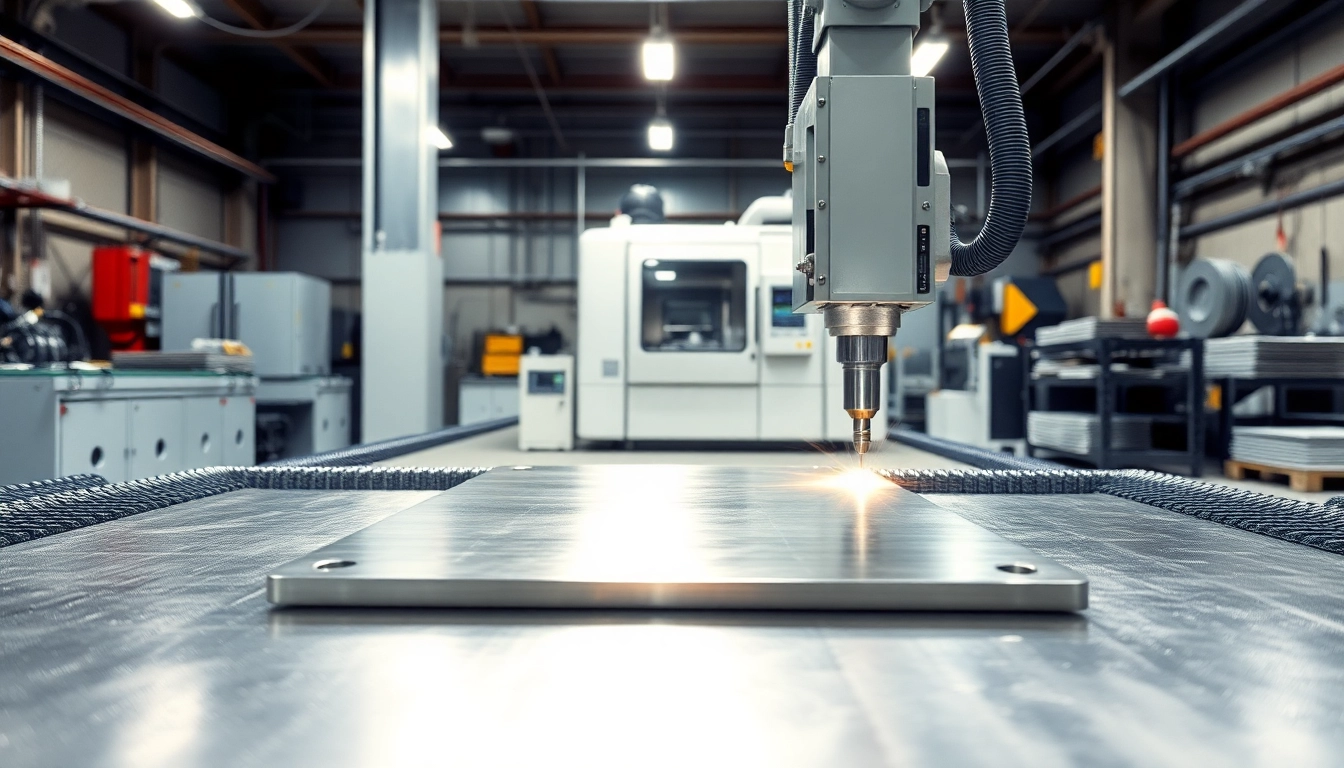
Precision plate cutting refers to the highly controlled process of cutting metal plates with impeccable accuracy and minimal waste. Utilizing advanced technology, this technique is widely employed across various industries for the fabrication of components that require strict tolerances. The process often incorporates machinery such as laser cutters, water jets, or plasma cutters, enabling manufacturers to produce parts that fit perfectly without the need for extensive rework.
Benefits of Precision Plate Cutting
The advantages of precision plate cutting are substantial and multifaceted. Firstly, it significantly reduces material waste, as the cutting methods are designed for optimal efficiency. Secondly, the accuracy achieved through this process ensures high-quality end products with minimal tolerances, which can enhance the performance of the components being manufactured. Additionally, precision plate cutting often bolsters production speed, resulting in lower turnaround times and better overall productivity. The use of precision plate cutting eliminates many human errors associated with traditional cutting techniques, thus improving the consistency of the products.
Common Methods Used in Precision Plate Cutting
The cutting techniques employed in precision plate cutting can be broadly categorized into several methods:
- Laser Cutting: This method utilizes a high-powered laser to cut through materials with extraordinary precision.
- Water Jet Cutting: Leveraging a high-pressure stream of water, often mixed with an abrasive substance, water jets can cut through thick, hard materials without causing heat-affected zones.
- Plasma Cutting: Plasma cutters use ionized gas to create a high-temperature plasma arc, allowing for fast and efficient cuts in various metals.
- Oxy-Fuel Cutting: A traditional method where a flame is used to melt metal, oxygen is added to increase heat, and then the molten metal is blown away.
Applications of Precision Plate Cutting
Industry Usage of Precision Plate Cutting
Precision plate cutting finds applications in numerous industries, ranging from automotive and aerospace to construction and manufacturing. In the automotive sector, it is crucial for fabricating parts such as chassis, brackets, and supports that demand exact dimensions. Similarly, in the aerospace industry, the use of precise components is vital for structurally sound frames. Manufacturing plants rely on precision plate cutting for producing components that form the backbone of various machinery, enhancing product reliability and performance in the process.
Innovative Use Cases in Various Sectors
Beyond traditional applications, precision plate cutting has spurred innovative uses across diverse sectors. For instance, in architecture, intricate designs are now feasible through the flexibility of plate cutting techniques. Decorative elements in custom metal work and signage leverage precision cutting to create visually appealing and highly detailed designs. Additionally, the energy sector has adopted these techniques for fabricating highly specialized parts used in wind turbines, solar panels, and other renewable energy technologies, facilitating advancements in sustainability.
How Precision Plate Cutting Improves Product Quality
The superior accuracy attained through precision plate cutting directly influences the overall quality of the final products. Components that are cut to exact specifications improve assembly processes, reducing the likelihood of defects or the need for corrective actions. This precision positively affects performance metrics, such as the durability of the product and its functionality within a larger system. By minimizing the variation in parts, manufacturers effectively enhance their reputation for reliable quality, leading to increased customer satisfaction.
Choosing the Right Precision Plate Cutting Technology
Types of Machinery for Precision Plate Cutting
The selection of appropriate machinery is paramount for effective precision plate cutting. The common types of machines include:
- Fiber Laser Cutters: Known for their speed and efficiency, fiber lasers are ideal for thin to medium thickness materials.
- CO2 Laser Cutters: Best for cutting thicker materials, CO2 lasers offer excellent versatility and quality.
- Waterjet Cutting Machines: Adaptable to a wide range of materials, they are particularly beneficial for heat-sensitive components.
- Plasma Cutters: These machines are effective for cutting thicker plate steel rapidly.
Factors to Consider When Selecting Equipment
When choosing cutting equipment for precision plate cutting, several factors must be evaluated:
- Material Type: Select machinery that is compatible with the materials being cut.
- Thickness: Ensure the chosen technology can handle the material thickness required.
- Cutting Speed: Consider the throughput needs of the production line to optimize efficiency.
- Precision Requirements: Assess the specifications needed for the final part.
- Cost of Operation: Factor in maintenance and operational costs alongside initial investments.
Cost-Effectiveness of Different Cutting Methods
The cost-effectiveness of precision plate cutting varies widely by method. While laser cutting may have higher initial setup costs, its accuracy and low waste can ultimately lead to better savings in production. Waterjet cutting, although generally slower, can be more economical for specific materials, particularly when heat sensitivity is a concern. Manufacturers must assess not only the upfront costs but also how each method may affect long-term operating expenses and material expenditure to determine the best financial choice.
Best Practices for Efficient Precision Plate Cutting
Optimize Material Usage
Maximizing material efficiency is crucial in precision plate cutting. Employing nesting software can significantly reduce waste by arranging multiple pieces of a design on a single sheet optimally. Regular audits of material usage can help identify unnecessary waste patterns, allowing for a more sustainable approach. Additionally, utilizing quality materials can reduce scrap rates and enhance overall production efficiency.
Settings and Maintenance for Peak Performance
Precision plate cutting equipment requires routine maintenance to achieve peak performance. Regularly checking and calibrating the machinery ensures consistent output quality. Operators should also be trained adequately to adjust settings based on material and project requirements, as improper settings can lead to tolerances being exceeded and increased scrap rates.
Quality Control Measures in Precision Plate Cutting
Implementing stringent quality control processes is essential in maintaining the high standards associated with precision plate cutting. This might include dimensional inspections using laser measuring systems or coordinate measuring machines (CMM). Employing statistical process controls (SPC) can also help in identifying variations in machine performance, allowing for timely adjustments to maintain consistency in production.
Future Trends in Precision Plate Cutting
Technological Advancements to Watch
As technology continues to evolve, new advancements are reshaping the landscape of precision plate cutting. Innovations such as AI-driven automation are making it possible for machines to optimize cut profiles and reduce waste further. Machine learning algorithms that predict machinery failures based on usage patterns will also enhance reliability and minimize downtime in production lines.
Impact of Automation on Precision Plate Cutting
Automation is drastically changing how precision plate cutting operations are conducted. Automated systems are enhancing speed and precision while reducing human error. Integrating robotics into the plate cutting process allows for faster turnaround times and improving efficiency on the factory floor. This shift is not only creating higher output levels but is also freeing up skilled labor for more complex tasks.
Sustainability Practices in Precision Plate Cutting
The focus on sustainability is increasingly influencing precision plate cutting practices. Adopting eco-friendly materials, recycling scrap metal, and investing in energy-efficient machinery are just a few strategies companies are implementing. Additionally, many manufacturers are placing a greater emphasis on reducing their carbon footprints, positioning themselves as responsible leaders in the industry.
FAQs about Precision Plate Cutting
What materials can be cut using precision plate cutting?
Precision plate cutting can be performed on various materials, including metals like carbon steel, stainless steel, aluminum, and even certain plastics, depending on the cutting method used.
How can precision plate cutting improve manufacturing efficiency?
By producing components with high accuracy and minimal waste, precision plate cutting enhances production speed, reduces rework, and ultimately leads to higher manufacturing efficiency.
What safety measures are essential in a precision plate cutting environment?
Essential safety measures include wearing appropriate personal protective equipment (PPE), proper machine certifications, maintaining a clean workspace, and ensuring fire safety protocols are in place.
How is precision plate cutting different from traditional cutting methods?
Precision plate cutting differs from traditional methods through its use of advanced technologies that provide higher accuracy, greater speed, and lower material waste compared to manual cutting techniques.
What are the latest innovations in precision plate cutting technology?
Recent innovations include fiber laser technology, automation through robotics, AI integration for process optimization, and improved software for nesting and design efficiency in cutting operations.