The Concept of Warehousing: An Overview
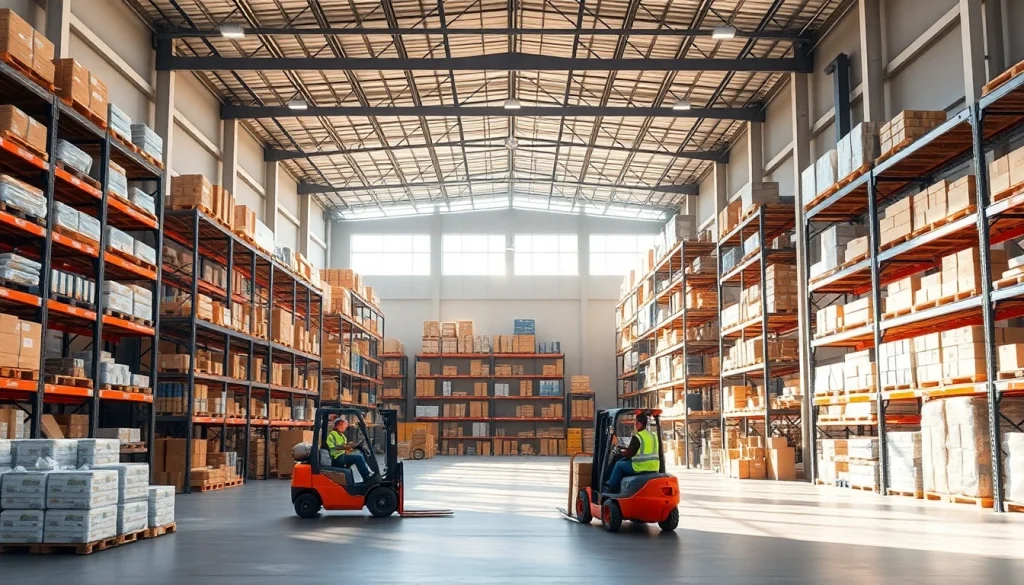
Understanding the intricacies of warehousing is essential for businesses looking to streamline their operations in the supply chain. Warehousing refers to the strategic storage of goods until they are ready for distribution to retailers, customers, or post-processing. This piece delves into the definition, purpose, and various types of warehousing solutions available today, all of which contribute significantly to efficient supply chain management.
Definition and Purpose of Warehousing
Warehousing is fundamentally the process of storing goods and inventory over a period until they are needed in the marketplace. It allows businesses to balance supply and demand effectively. The primary purpose of warehousing is to ensure that products are available for customers when they are needed without excess inventory costs. Additionally, warehousing serves as a buffer during fluctuations in demand and supply chain disruptions.
Types of Warehousing Solutions
Different types of warehousing solutions cater to the requirements of various industries. Some of the most common types include:
- Private Warehouses: Owned and operated by companies to manage their own inventory.
- Public Warehouses: Available for rent to businesses looking for flexible storage options without long-term commitments.
- Temperature-Controlled Warehouses: Essential for businesses dealing with perishable goods, maintaining specific temperature conditions.
- Distribution Centers: Prioritize quick order fulfillment and product distribution rather than long-term storage.
- Co-warehousing: A shared space that allows multiple businesses to utilize the resources of a warehouse collectively.
The Role of Warehousing in Supply Chain Management
Warehousing is a critical component of supply chain management, influencing how products flow from manufacturers to end-users. It facilitates inventory management and plays a vital role in just-in-time (JIT) inventory systems. By efficiently managing warehousing operations, businesses can reduce lead times and avoid stockout situations, ultimately enhancing customer satisfaction and loyalty.
Key Functions of Warehousing
Storage of Goods and Inventory Management
The primary function of warehousing is to safely store inventory. This includes categorizing items for easy retrieval and maintaining an organized layout to optimize the use of space. Effective inventory management systems often incorporate technology, such as barcode scanning and RFID tracking, to enhance accuracy in stock levels, minimizing losses due to overstocking or stockouts.
Order Fulfillment Processes in Warehousing
Order fulfillment refers to the entire process of receiving, processing, and delivering customer orders. An efficient warehousing operation will integrate order management systems that allow for real-time inventory tracking, ensuring that orders are fulfilled accurately and promptly. Moreover, automation in order picking and packing has become increasingly prevalent, significantly speeding up the fulfillment process and reducing human error.
Packaging and Distribution Practices
Once goods are picked and packed at the warehouse, the next step is distribution. The packaging process not only involves securing products for transportation but also ensuring they meet regulatory requirements and branding expectations. Innovative packaging solutions can enhance customer experience while minimizing shipping costs. Efficient warehousing operations integrate distribution strategies that reduce time in transit and enhance overall supply chain efficiency.
Advantages of Efficient Warehousing
Cost Reduction through Effective Warehousing
One of the most significant advantages of having an efficient warehousing system is cost reduction. By optimizing storage space and inventory management, companies can minimize overhead costs associated with excess inventory and wasted space. Additionally, improved order fulfillment processes can help reduce shipping costs and labor expenses.
Improved Customer Service and Satisfaction
Efficient warehousing leads to timely deliveries and accurate order fulfillment, which enhances customer satisfaction. In today’s market, customers expect speedy delivery and order transparency. Warehousing that is well-managed meets these expectations, contributing to customer loyalty and retention.
Flexibility and Scalability in Warehousing Operations
As businesses grow, their warehousing needs may evolve. Efficient warehousing solutions provide flexibility and scalability, allowing companies to expand their storage capacity or adapt to seasonal demands. This flexibility is crucial for businesses experiencing fluctuating demand, enabling them to adjust quickly to market changes.
Challenges Faced in the Warehousing Industry
Inventory Management Challenges
Effective inventory management is often cited as one of the biggest challenges in warehousing. Companies must ensure that they have enough inventory to meet customer demand without overstocking. This requires sophisticated inventory management systems and regular audits to maintain accuracy. Furthermore, businesses need to manage different SKUs and their turnover rates effectively to minimize obsolescence and waste.
Technological Adaptations in Warehousing
The rapid evolution of technology presents both opportunities and challenges for warehousing operations. While automation can significantly enhance efficiency, it can also require substantial investment and training. Adapting to new technologies—such as robotics for picking, augmented reality for layout optimization, and advanced forecasting tools—can be daunting but necessary for staying competitive.
Regulatory Compliance and Safety Concerns
Compliance with various regulations, including health and safety guidelines, is crucial in the warehousing industry. Warehouses must meet specific standards to ensure the safety of employees and the protection of goods. Failure to adhere to these regulations can lead to fines, legal issues, and damage to reputation. Implementing a strong safety management system and regular training programs can help mitigate these risks.
Future Trends in Warehousing
The Impact of Automation in Warehousing
The rise of automation in warehousing is revolutionizing the way goods are stored and distributed. Robotics and automated picking systems are capable of increasing efficiency and accuracy while reducing labor costs. Furthermore, automation can easily accommodate fluctuations in demand, enabling warehouses to operate around the clock with minimal human intervention.
Sustainability Practices in Warehousing
As environmental concerns become increasingly urgent, sustainable practices in warehousing are gaining traction. This can include implementing energy-efficient systems, reducing waste through optimized processes, and utilizing eco-friendly packaging materials. Companies that adopt sustainability practices not only contribute to environmental preservation but also appeal to a growing segment of environmentally-conscious consumers.
Emerging Technologies Shaping the Future of Warehousing
Emerging technologies, such as artificial intelligence (AI), the Internet of Things (IoT), and big data analytics, are poised to shape the future of warehousing significantly. AI can enhance inventory forecasting and route optimization, while IoT devices can provide real-time visibility into inventory movements. By leveraging these technologies, warehouses can improve their operational efficiency, reduce costs, and respond to market demands with greater agility.