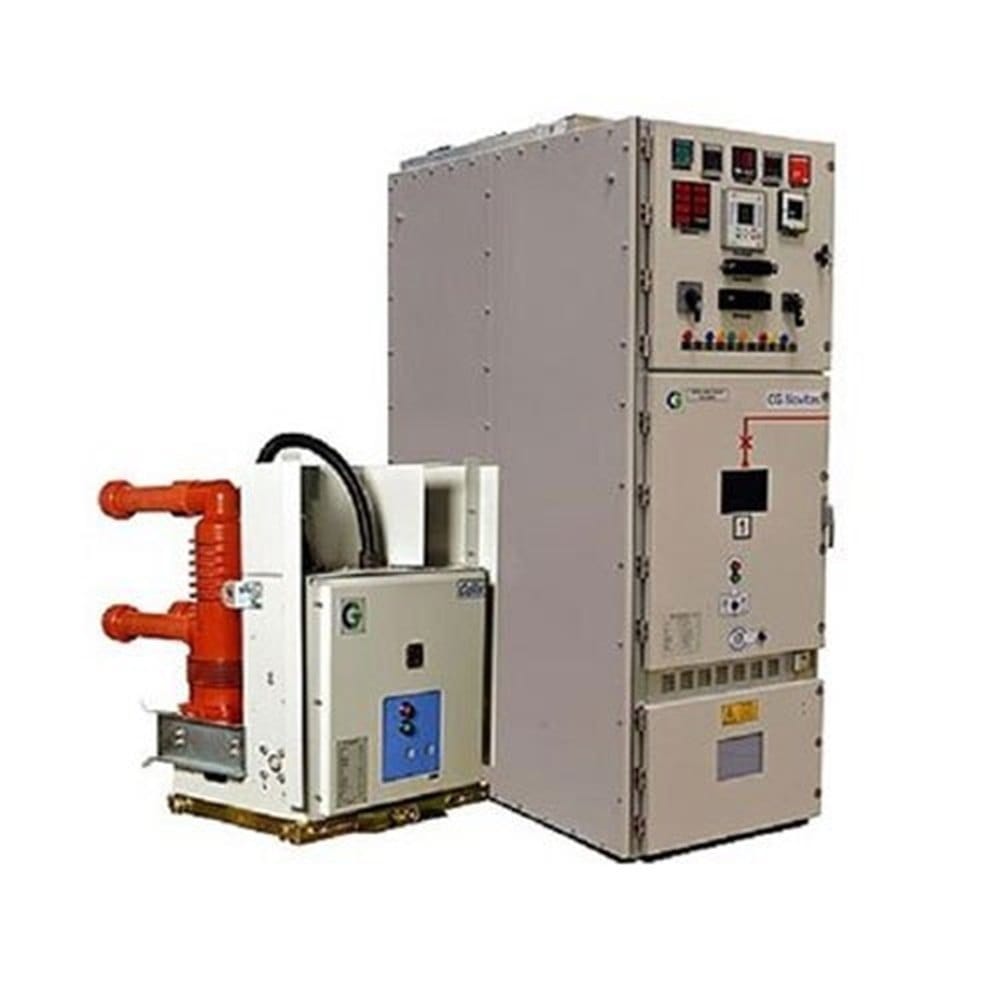
Proper installation and adherence to safety guidelines are essential to maximize the performance and lifespan of a Vacuum circuit breaker. At Aierway, our high-performance vacuum circuit breakers are designed for efficiency, reliability, and minimal maintenance. This guide outlines key steps and safety precautions for installing and operating a vacuum circuit breaker safely.
Understanding the Vacuum Circuit Breaker
A vacuum circuit breaker (VCB) is an electrical switchgear device used to interrupt current flow during faults such as short circuits or overloads. Unlike air or oil-based breakers, a vacuum circuit breaker extinguishes arcs in a sealed vacuum chamber, providing faster response, reduced maintenance, and longer operational life. Compliance with safety procedures is critical to ensure reliable operation.
Pre-Installation Safety Checks
Before installing a vacuum circuit breaker, perform the following safety checks:
- Inspect the breaker: Check for any physical damage, loose parts, or contamination.
- Verify specifications: Ensure the breaker’s voltage, current, and operational ratings match the system requirements.
- Ensure proper grounding: Confirm that the installation site is properly grounded to prevent electrical hazards.
- Personal Protective Equipment (PPE): All personnel should wear insulated gloves, safety glasses, and protective clothing.
Step-by-Step Installation Guidelines
Step 1: Site Preparation
- Ensure the mounting area is level, stable, and capable of supporting the vacuum circuit breaker.
- Check for adequate clearance around the breaker for maintenance and ventilation.
Step 2: Mounting the Breaker
- Lift the vacuum circuit breaker carefully and place it on the mounting platform.
- Secure the breaker using bolts or brackets, ensuring proper alignment and stability.
Step 3: Electrical Connections
- Connect the main terminals to busbars, ensuring tight and clean connections.
- Connect auxiliary circuits, control wiring, and protection relays as per the wiring diagram.
Step 4: Mechanical and Functional Checks
- Operate the breaker manually and electrically to confirm smooth movement.
- Test interlocks, closing and opening mechanisms, and auxiliary devices.
Step 5: Energization and Testing
- Energize the system carefully while monitoring for abnormal sounds, vibrations, or overheating.
- Perform insulation resistance tests, contact resistance checks, and functional tests.
Key Safety Guidelines
- Always follow manufacturer instructions and local electrical codes.
- Avoid operating the vacuum circuit breaker under voltage during installation.
- Keep the installation site free of moisture, dust, and combustible materials.
- Perform routine inspections and maintenance according to the manufacturer’s schedule.
- Ensure only trained personnel handle installation and servicing of the breaker.
Benefits of Following Proper Installation and Safety Procedures
Adhering to installation and safety guidelines ensures that a vacuum circuit breaker operates efficiently, safely, and reliably. Proper procedures:
- Prevent equipment damage and operational failures.
- Minimize downtime and maintenance costs.
- Enhance the long-term durability and lifespan of the breaker.
- Protect personnel and the surrounding environment from electrical hazards.
Conclusion
Installing a vacuum circuit breaker correctly and following safety guidelines is essential for reliable electrical system performance. With Aierway vacuum circuit breakers, clients gain high-performance, low-maintenance solutions designed to meet international safety standards.
Proper installation, functional testing, and adherence to safety protocols ensure that your vacuum circuit breaker delivers safe, efficient, and long-lasting protection for your electrical networks.