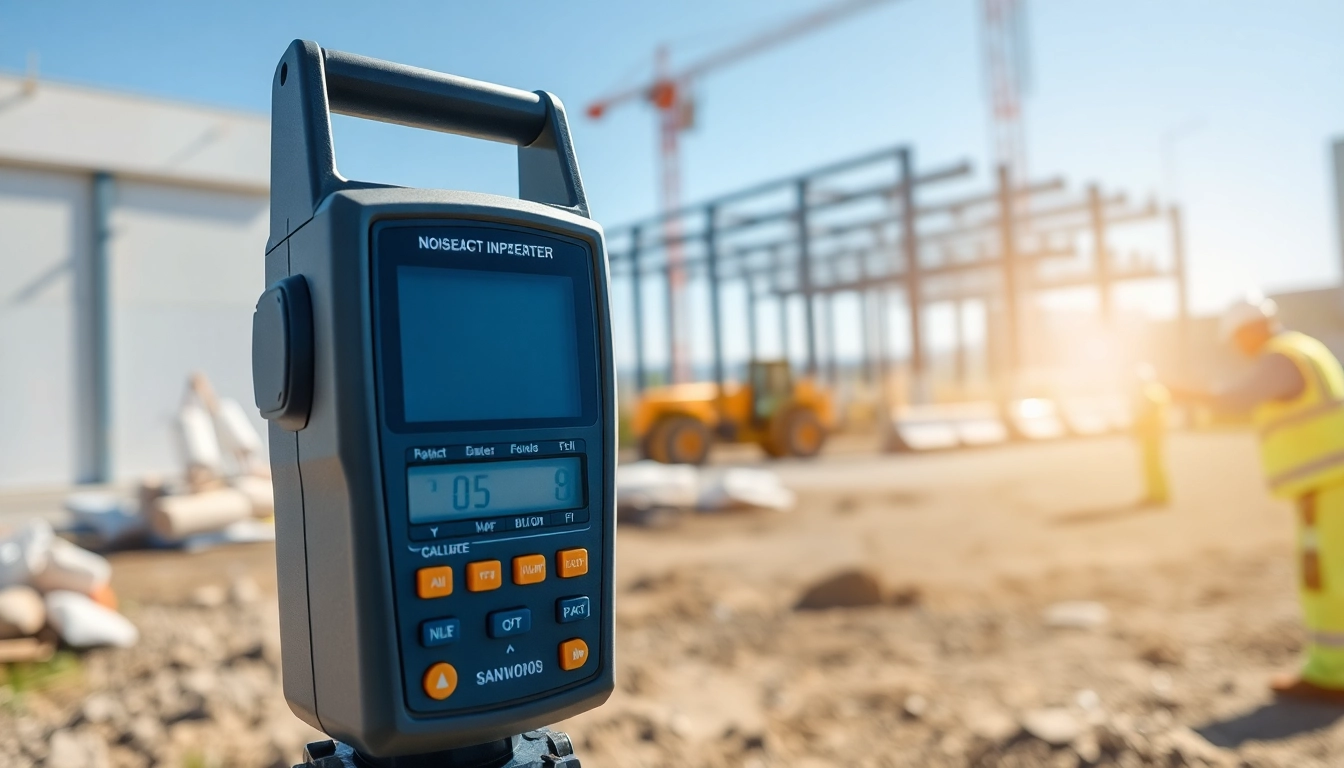
Understanding Noise Impact Assessment: Essential Steps and Best Practices
Noise pollution is an increasingly critical issue in urban and industrial development. With the growth in population density and the expansion of infrastructure, understanding how noise affects both the environment and the community becomes vital. A noise impact assessment is the cornerstone of managing and mitigating the effects of noise pollution. This comprehensive guide will cover everything you need to know about conducting effective noise impact assessments, including their significance, the processes involved, common challenges, and best practices to follow.
Introduction to Noise Impact Assessment
What is Noise Impact Assessment?
A noise impact assessment (NIA) is a systematic evaluation of the potential noise issues associated with a project or development. This scientific approach is designed to quantify how planned changes in land use, construction activities, or operational noise will affect the ambient noise levels in an area. An NIA generally includes noise measurements, analysis of sound sources, and predictions of future noise levels based on operational expectations.
Importance of Conducting Noise Impact Assessments
The importance of conducting a noise impact assessment cannot be overstated. As urban development continues to rise, so does the impact of noise on communities. NIAs help decision-makers and stakeholders understand how proposed projects could affect local residents and ecosystems. From environmental compliance to enhancing community relations, effective NIAs lead to better-informed decisions that balance development needs with public welfare.
Key Regulations and Standards
Various regulations govern noise impact assessments, and they differ based on geographic location and project type. In the United States, federal, state, and local authorities publish standards to guide noise assessments. These regulations typically detail permissible noise levels and assessment methodologies dictated by EPA guidelines, OSHA regulations, and local zoning laws. Thorough knowledge of these standards is essential to ensure compliance and to anticipate potential legal challenges that could arise from inadequate assessments.
Steps Involved in a Noise Impact Assessment
Initial Planning and Scoping
The first step in a noise impact assessment is careful planning and scoping. This involves defining the project boundaries, identifying potential noise-sensitive receivers (such as residential areas, hospitals, or schools), and determining the specific requirements for the assessment. An effective scoping exercise should involve consultations with stakeholders to ensure that all relevant concerns are captured.
Site Characterization and Noise Survey
Once planning is complete, the next step is to characterize the site and conduct a comprehensive noise survey. During the site characterization, various factors such as topography, existing sound sources, and land use are analyzed. This is followed by the noise survey, during which sound levels are measured over a designated period using specialized equipment such as sound level meters. It is crucial to undertake noise surveys during different times and under various weather conditions to capture the total noise environment effectively.
Data Analysis and Reporting
After collecting the measurement data, the next stage is data analysis and reporting. This phase involves comparing the collected sound levels against established noise thresholds and guidelines. In addition, potential noise impacts from proposed project activities are assessed, which may include predicting future noise levels using modeling software. The final report should outline the methodology, analysis, results, and recommendations for noise mitigation if needed. Proper documentation is crucial for transparency and compliance.
Common Challenges in Noise Impact Assessment
Identifying Sound Sources
One of the primary challenges faced during an NIA is accurately identifying sound sources. Noise can originate from numerous outcomes such as traffic, machinery, or natural elements. Distinguishing between these and isolating their contributions to overall noise levels can be complex, especially in urban environments where multiple sources co-exist. Utilizing advanced acoustic mapping tools and techniques can assist in pinpointing specific sound sources.
Measurement Accuracy and Techniques
The accuracy of noise measurements is another significant challenge. Calibration of measurement devices, selection of appropriate locations for sound level meters, and timing of surveys all influence the quality of data collected. Employing sound analysis technology that incorporates real-time analysis and validation can enhance measurement reliability and data accuracy.
Dealing with Environmental Variables
Environmental conditions, such as weather and seasonal changes, play a critical role in noise propagation and can complicate assessments. For example, wind direction, humidity, and temperature can alter how sound travels. To mitigate these variables, it’s essential to conduct assessments across different seasons and under various weather conditions to gather comprehensive data.
Best Practices for Effective Noise Impact Assessment
Utilizing Advanced Monitoring Technologies
Investment in advanced acoustic monitoring technologies can greatly enhance the quality and accuracy of an NIA. Technologies such as real-time noise monitoring systems can provide continuous feedback on noise levels, allowing for a more dynamic understanding of noise impacts. These systems can alert stakeholders to noise exceedances in real time, providing the opportunity for immediate mitigation responses.
Engaging with Stakeholders
Engagement with stakeholders is vital throughout the NIA process. Communicating with affected community members, local authorities, and industry partners helps build trust and transparency. Hosting public meetings or information sessions can clarify the assessment goals, address concerns, and incorporate community feedback into the assessment process. Active engagement promotes a collaborative approach that benefits all parties involved.
Implementing Mitigation Measures
If an assessment identifies potential noise concerns, implementing effective mitigation measures is essential. These measures can include sound barriers, landscaping, or monitoring programs to minimize noise exposure for sensitive receptors. The implementation process should be closely monitored to evaluate the effectiveness of these mitigation strategies post-project initiation.
Evaluating the Outcomes of Noise Impact Assessment
Performance Metrics and Reporting Results
Evaluating the outcomes of a noise impact assessment is crucial to measure its success. Performance metrics should be established to quantify improvements in noise levels and the impact of mitigation measures. Comparisons between pre- and post-implementation results can help gauge effectiveness and ensure compliance with regulatory standards. Reporting these outcomes transparently will not only inform stakeholders but also contribute to best practices in future assessments.
Case Studies and Real-World Applications
Utilizing case studies can provide valuable insights into the application of noise impact assessments in real-world situations. Analyzing completed projects allows noise professionals to learn from successes and challenges in addressing noise issues. Effective documentation and sharing of these case studies will cultivate knowledge and encourage innovations in NIA methodologies.
Continuous Improvement and Future Considerations
Continuous learning and adaptation are fundamental to efficient noise impact assessments. As technologies and methods evolve, the NIA process should incorporate new findings, tools, and community perspectives. Staying updated with the latest industry standards, continuing education opportunities, and collaborative networks will enhance the quality and efficacy of future assessments.
This article serves as a comprehensive overview of noise impact assessments, detailing the essential steps, challenges, and best practices involved. By understanding and implementing these strategies, stakeholders can better navigate the complexities of noise management in their projects, promoting a more harmonious balance between development and community well-being.