WHAT IS HVAC DUCT LEAKAGE?HVAC duct leakage occurs when conditioned air escapes from the duct system before it reaches the intended areas. In both residential and commercial buildings, HVAC duct leakage can lead to higher energy bills, uneven temperatures, and decreased system efficiency. Detecting havc duct leakage is essential for improving comfort and reducing unnecessary energy consumption.
SIGNS YOUR BUILDING MAY HAVE HVAC DUCT LEAKAGEThere are several clear indicators of HVAC duct leakage. Uneven heating or cooling in different rooms, high energy bills, and rooms that feel drafty or stuffy are common signs. Additionally, visible gaps, disconnected ducts, or cold spots near ductwork often indicate HVAC duct leakage. Identifying these early can prevent larger problems and improve overall efficiency.
COMMON CAUSES OF HVAC DUCT LEAKAGEHVAC duct leakage is often caused by poor installation, aging ducts, or damage from pests or moisture. Ducts in unconditioned spaces such as attics or basements are particularly prone to leaks. Understanding the root causes of HVAC duct leakage can help building managers and homeowners take preventive measures to reduce energy loss.
DIY TECHNIQUES TO DETECT HVAC DUCT LEAKAGEHomeowners and building managers can perform basic checks for HVAC duct leakage. Simple methods include inspecting duct joints visually, listening for hissing sounds, or using smoke sticks to trace escaping air. These DIY techniques help identify potential problem areas before professional intervention is needed, making it easier to address HVAC duct leakage early.
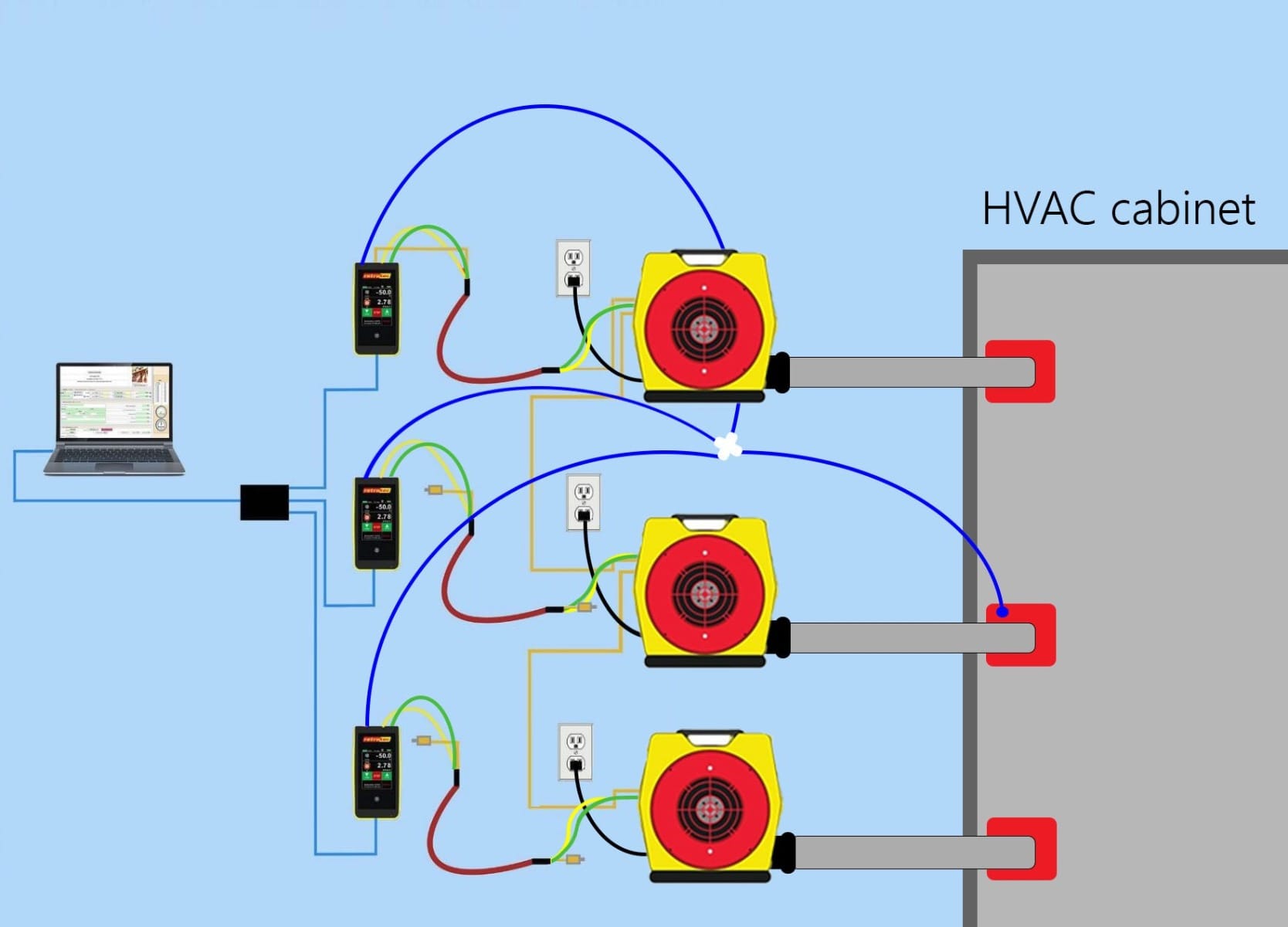
PROFESSIONAL INSPECTIONS FOR HVAC DUCT LEAKAGEFor accurate detection of HVAC duct leakage, professional inspections are highly recommended. Technicians use tools such as duct blasters and pressure testing to measure the extent of leaks. Regular professional checks ensure that HVAC duct leakage is identified and repaired efficiently, helping buildings maintain optimal energy efficiency.
SEALING AND REPAIRING HVAC DUCT LEAKAGEOnce HVAC duct leakage is detected, the next step is sealing and repairing the ducts. Use mastic sealant or metal tape for long-lasting results, avoiding standard duct tape that can deteriorate. Ensuring all joints and connections are sealed reduces energy loss and improves airflow, minimizing the effects of HVAC duct leakage.
ENERGY EFFICIENCY AND COST SAVINGSAddressing HVAC duct leakage can significantly reduce energy consumption. Leaky ducts force HVAC systems to work harder, leading to higher electricity bills. Properly sealed ducts improve airflow, enhance system performance, and lower operating costs. Buildings in Florida and beyond benefit from energy savings by tackling HVAC duct leakage promptly.
IMPROVING INDOOR COMFORT THROUGH HVAC DUCT LEAKAGE SOLUTIONSFixing HVAC duct leakage not only reduces energy costs but also enhances indoor comfort. Leaks often create uneven temperatures and reduce airflow. Sealed ducts ensure consistent heating and cooling throughout the building, resulting in a more comfortable environment for occupants.
MAINTAINING HVAC SYSTEMS TO PREVENT DUCT LEAKAGERoutine maintenance is key to preventing HVAC duct leakage. Inspect ducts regularly, ensure insulation is intact, and repair any damage promptly. Professional maintenance services can help identify hidden leaks and keep HVAC systems running efficiently, reducing the risk of future HVAC duct leakage.
CONCLUSIONHVAC duct leakage is a common but often overlooked issue that impacts energy efficiency, comfort, and operating costs. Detecting and repairing HVAC duct leakage is essential for building performance. Through careful inspection, professional evaluation, proper sealing, and regular maintenance, homeowners and building managers can minimize HVAC duct leakage, improve energy efficiency, and maintain comfortable indoor conditions year-round. Addressing HVAC duct leakage is an investment that benefits both your comfort and your wallet.