Understanding Classic Car Storage
For any classic car owner, preserving the integrity and value of their prized vehicle is paramount. This is where classic car storage comes into play. Whether you're preparing for a long period without driving or need a safe place for your car during off-seasons, understanding what classic car storage entails is crucial for all enthusiasts.
What is classic car storage?
Classic car storage refers to the practice of safely storing vintage, antique, or other valuable automobiles when they are not in use. This often entails utilizing specific facilities or conditions designed to maintain the car’s condition, ensuring it remains operational and aesthetically pleasing over time. Unlike regular vehicle storage, classic car storage considers the unique requirements of older vehicles, which may be more sensitive to environmental conditions.
Benefits of classic car storage
Storing your classic car has numerous benefits. Firstly, it protects the vehicle from potential damage due to the elements, such as rain, snow, or humidity, which can lead to rust and other forms of deterioration. Secondly, proper storage can help maintain the car's value; a well-preserved classic often appreciates over time, making it a worthwhile investment. Additionally, having a dedicated storage solution provides peace of mind, knowing that the vehicle is secure and safe from theft or vandalism.
Ideal conditions for classic car storage
The ideal conditions for classic car storage include a controlled environment where the temperature and humidity are regulated. The recommended temperature range is typically between 60°F to 75°F (15°C to 24°C) with humidity levels maintained at 30% to 50%. Such conditions help prevent corrosion, mold growth, and deterioration of components. Furthermore, good ventilation is essential to avoid stagnant air, which can lead to unpleasant odors and moisture issues.
Types of Classic Car Storage Options
Indoor vs outdoor classic car storage
Choosing between indoor and outdoor classic car storage can significantly affect the preservation of your classic car. Indoor storage is generally preferred due to the protection it offers against weather conditions, pests, and varying temperatures. Indoor facilities also often include security features and climate control options. In contrast, outdoor storage can be more convenient and cost-effective but poses greater risks. Vehicles stored outdoors are exposed to UV rays, rain, and other environmental factors that can accelerate deterioration.
Climate-controlled classic car storage
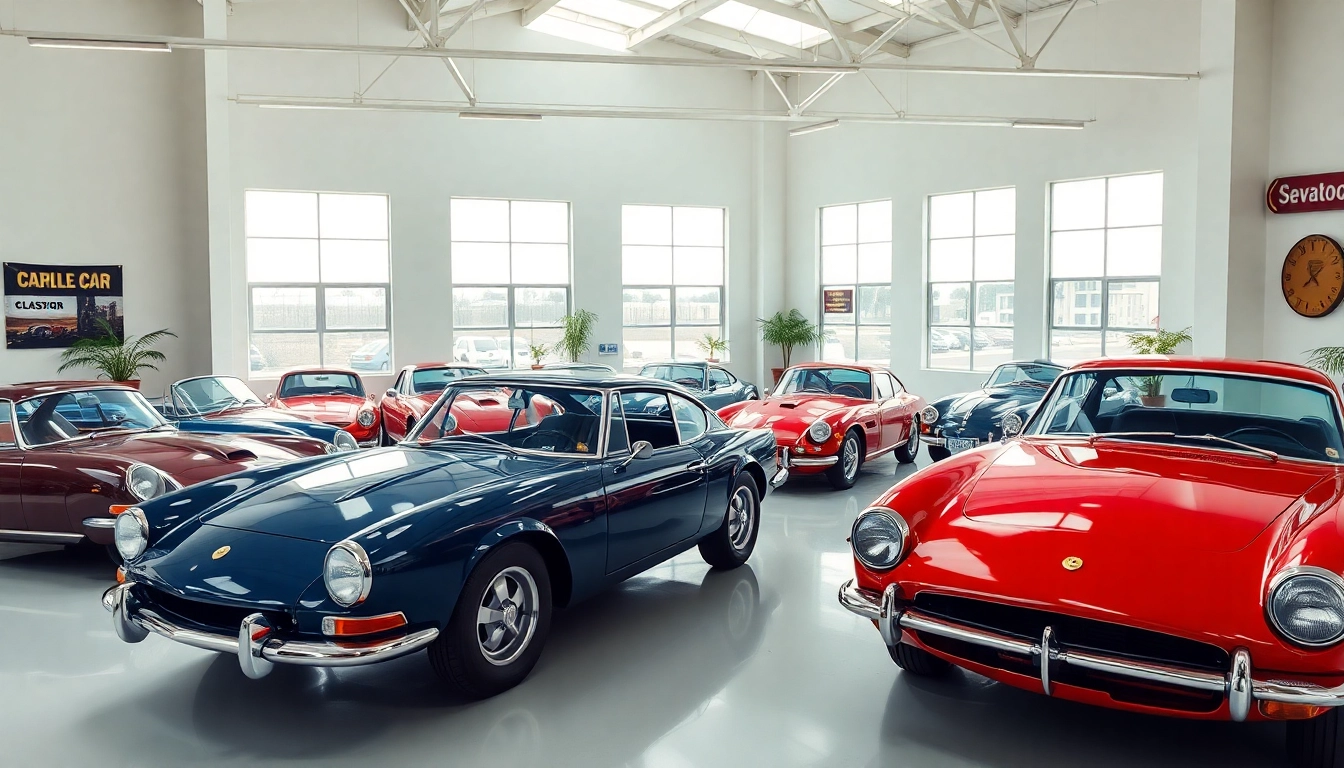
Climate-controlled classic car storage is the gold standard for protection. These facilities are designed to maintain an optimal environment year-round. They regulate temperature and humidity to avoid any fluctuations that could endanger the vehicle's integrity. In addition, these units often feature air filtration systems to remove dust and contaminants from the air, further safeguarding the classic car’s exterior and interior components.
Self-storage units for classic cars
Self-storage units are often a practical choice for classic car owners who want a hands-on approach to their vehicle's care. These units can offer a flexible, accessible, and often more affordable option compared to specialized facilities. However, it's essential to ensure that the chosen unit has adequate security measures, is spacious enough to accommodate the vehicle, and ideally offers climate control. This storage method allows owners to manage the storage aspect while ensuring their cars are still well looked after.
Choosing the Right Classic Car Storage Facility
Essential features to look for
When selecting a classic car storage facility, several critical features should be considered. First, security is paramount; look for facilities with surveillance cameras, alarm systems, and restricted access. Second, climate control is crucial to prevent environmental damage. Third, evaluate the facility’s ease of access, ensuring you can reach your car when needed without hassle. Lastly, inquire about the cleanliness and maintenance of the facility, as a well-kept environment reflects on the quality of care your car will receive.
Questions to ask storage providers
Before finalizing your storage arrangement, asking the right questions can help avoid future issues. Consider inquiring about the following: What security measures are in place? Is the storage climate-controlled? Can I access my vehicle at any time? What are the insurance policies for stored vehicles? Lastly, are there any additional fees, such as those associated with maintenance or inspections? These questions will facilitate better transparency and peace of mind regarding your classic car's storage.
Costs associated with classic car storage
Understanding the costs of classic car storage is vital for budgeting. Prices vary widely based on location, facility type, and features such as climate control and security measures. On average, indoor storage can range from $100 to $350 per month, while climate-controlled options might rise to $500 or more. It’s essential to assess not only the pricing but also the value provided. Sometimes, paying a bit more for superior conditions can save you money in the long run by better preserving your vehicle.
Best Practices for Classic Car Preparation
Preparing your car for storage
Preparation is key to ensuring your classic car remains in top condition during storage. Begin by thoroughly cleaning both the exterior and interior of the car. This removes any contaminants that could cause damage over time. Next, it's wise to apply a coat of wax on the exterior, as it provides a protective layer against dust and humidity. Remember to top off fluids, including engine oil, coolant, and fuel, which should be treated with a stabilizer to prevent deterioration during storage.
Maintenance tips before storage
Before storing your vehicle, perform a series of maintenance checks. Inspect tires for proper pressure and consider adding tire cradles to prevent flat spots. Ensure the battery is fully charged and disconnect it to avoid drainage. Additionally, check brakes, belts, and hoses for any signs of wear or damage. Finally, consider using a breathable car cover to protect the exterior while allowing air circulation, reducing the risk of mold and damage.
Documentation and insurance considerations
Maintaining proper documentation and insurance for your classic car during storage is essential. Ensure your insurance policy covers storage and review it regularly to account for changes in value or condition. Keeping records of regular maintenance, any inspections, and photographs of the car can help protect your investment and can also assist in resolving any future insurance claims. An organized approach to documentation ensures smoother processes and peace of mind during periods of vehicle inactivity.
FAQs about Classic Car Storage
How often should I check on my car in storage?
Check your car monthly to ensure it's in good condition and to maintain its value.
Should I start the engine while it's in storage?
It's advised to start the engine every few months to keep it in good working order. Running the engine allows the fluids to circulate and minimizes the risk of mechanical issues.
What climate is best for classic car storage?
A dry, temperature-controlled environment is ideal for preserving classic cars. Consistent conditions prevent rust and deterioration.
Can I store multiple cars in one unit?
Yes, many facilities offer options for multiple vehicles, ensuring they are adequately spaced. Just confirm that the unit can handle more than one vehicle without risk of damage.
What insurance do I need for a stored classic car?
Check your policy; specialized classic car coverage may be necessary for storage scenarios. Ensure the coverage accounts for the car's value and any potential risks while in storage.