
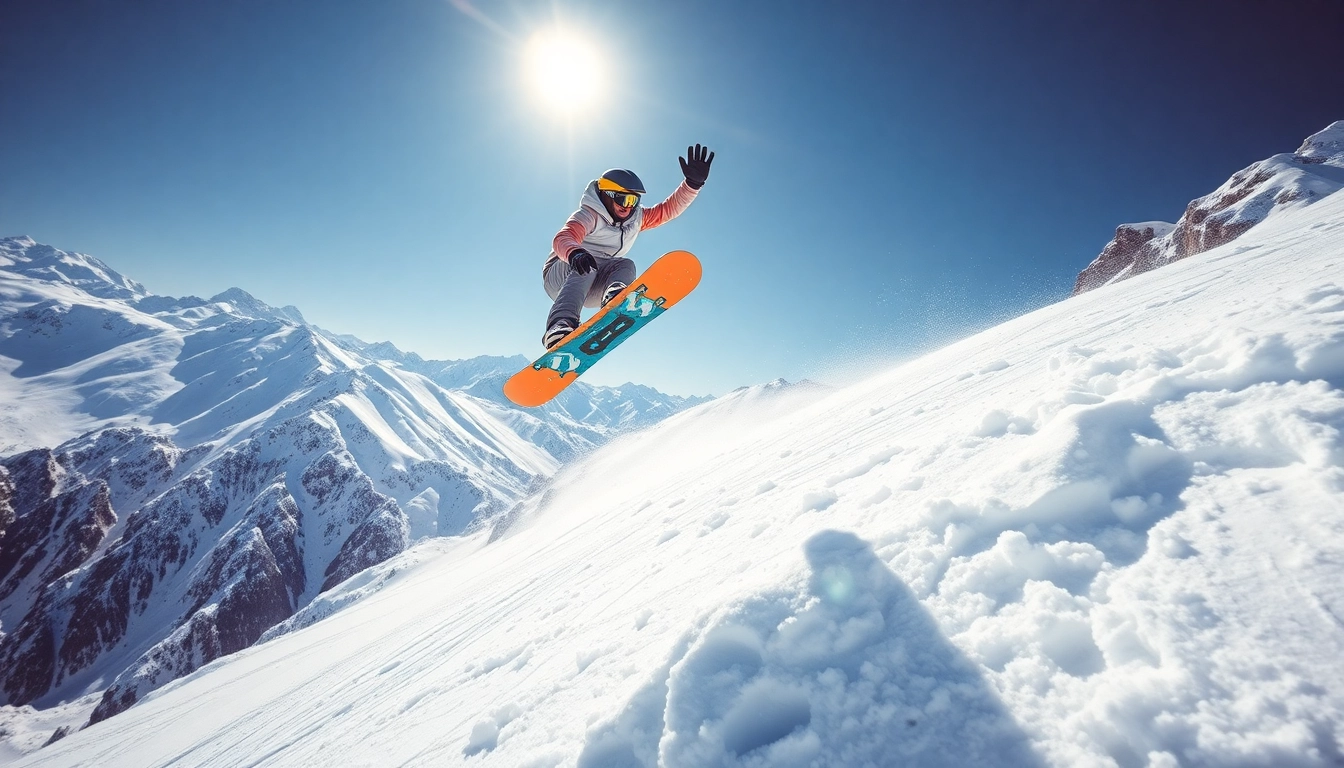
Understanding Freestyle Snowboards
What are Freestyle Snowboards?
Freestyle snowboards are specially designed for riders who love to perform tricks, jumps, and stunts on the slopes. Unlike traditional snowboards, these boards emphasize maneuverability and flexibility, allowing riders to execute various aerial maneuvers with ease. Typically characterized by a shorter length and a twin-tip design, freestyle snowboards facilitate riding in both directions. This versatility makes them perfect for terrain parks, halfpipes, and street features. Whether you're a beginner or an expert, incorporating freestyle snowboards into your riding experience can elevate your skills significantly.
Key Features of Freestyle Snowboards
Several features make freestyle snowboards stand out in the realm of snowboarding:
- Flexibility: These boards often have a soft to medium flex, which aids in maneuverability and helps absorb landings from jumps.
- Twin-Tip Design: This shape allows riders to ride regular or switch (backward) without feeling a difference, enhancing versatility.
- Narrow Width: A narrower width enables better control during tricks and spins.
- Lightweight Construction: Many freestyle snowboards are crafted from lighter materials to facilitate jumps and aerial maneuvers.
- Vibration Dampening: Advanced technologies often include features that reduce vibrations during tricks to provide a smoother ride.
Types of Freestyle Snowboards
Freestyle snowboards come in various shapes and sizes, each catering to different riding styles:
- Park Boards: Ideal for terrain parks, these boards excel in jumps, rails, and various features.
- Urban Boards: Shorter and more maneuverable, perfect for street spots and urban riding experiments.
- All-Mountain Freestyle Boards: Versatile enough to handle freestyle elements and all-mountain riding, suitable for diverse conditions.
- Powder-Freestyle Boards: While primarily freestyle, these boards include features for maneuvering in powder conditions.
Choosing the Right Freestyle Snowboard
Factors to Consider
Selecting the right freestyle snowboard involves understanding various factors:
- Riding Style: Determine if you will focus on park riding, urban spots, or all-mountain freestyle.
- Body Weight and Height: These factors influence the board size; heavier and taller riders typically need longer boards.
- Flex Rating: Choose a flex rating that aligns with your skill level and riding style. Softer boards accommodate tricks, while stiffer boards provide stability.
- Camber Profile: Options include traditional camber, rocker, and flat profiles, each offering distinct riding characteristics.
Matching Your Skill Level with Freestyle Snowboards
Understanding how your skill level impacts your choice is crucial. Beginners may benefit from softer, more forgiving boards that offer stability and control, while advanced riders often prefer stiffer boards that provide responsiveness during high-speed runs and complex tricks. It is essential to try different boards within your skill range to find the right fit, enhancing performance and enjoyment.
Top Brands to Consider
While many brands offer excellent options for freestyle snowboards, prioritize quality construction and performance features. Seek out trusted names in the industry that consistently innovate in materials and designs. Researching reviews and rider testimonials can also help identify brands that align with your needs.
Techniques for Maximizing Freestyle Snowboarding
Essential Tricks for Beginners
As a beginner, mastering fundamental tricks sets the foundation for more advanced maneuvers. Start with:
- Ollies: This trick involves popping the board off the snow without using a jump.
- 180 Spins: A basic spin that requires rotation while airborne, providing a taste of more advanced tricks.
- Box Slides: Learn to slide on park boxes safely; balance and control are key.
Intermediate Techniques for Freestyle Snowboards
Once comfortable with the basics, intermediate techniques involve more complexity:
- Rail Slides: Progress from box slides to flat and tubular rails, adapting your approach as needed.
- Frontside 360s: A complete spin while in the air, combining rotation with a stable landing.
- Kickflips: Bring your board beneath you while airborne to add flair to your tricks.
Advanced Tricks and Tips for Expert Riders
Expert riders can tackle the following advanced tricks:
- Double Corks: An advanced maneuver involving two inverted flips with rotation.
- Switch Spins: Perform spins while riding switch (opposite foot forward).
- Grabs: Enhance your aerial tricks by grabbing the board mid-air, allowing greater style and control.
Maintenance and Care for Freestyle Snowboards
Waxing Your Freestyle Snowboard
Regular waxing is essential for a smooth glide and preventing base damage. Wax enhances speed and helps you maintain control. Depending on your riding frequency, aim to wax your board every three to five uses. Clean the base before applying wax and scrape off excess wax post-application.
Storing Your Freestyle Snowboard
When off-season, proper storage of your snowboard is crucial. Store it in a cool, dry place away from direct sunlight. Avoid leaning the board against walls to prevent warping. Applying a coat of wax before storage protects the base and keeps it in prime condition.
Common Repairs and How to Do Them
Maintaining your freestyle snowboard also means knowing how to perform basic repairs. Common issues include:
- Base Scratches: Minor scratches can be repaired with a P-tex candle, filling the gouge, scraping, and then waxing for a smooth finish.
- Edge Damage: Minor edge burrs can be filed down using a file. Significant damage may require professional repair.
- Delamination: If layers separate, use epoxy glue to reattach, holding it together while curing.
Frequently Asked Questions about Freestyle Snowboards
What is the difference between freestyle and all-mountain snowboards?
Freestyle snowboards are primarily designed for tricks and park riding, featuring a twin-tip design for versatility. All-mountain boards are more versatile, suitable for various terrains, including powder, groomers, and park.
Can freestyle snowboards be used in all snow conditions?
While freestyle snowboards excel in parks and urban settings, their performance in powder can vary. Typically, specific designs accommodate powder riding, but it may not be optimal for all conditions.
How do I determine the right size of freestyle snowboard for me?
Your snowboard size primarily hinges on your height, weight, and skill level. A general guideline is that the board should range between your chin and nose when standing upright.
Is it necessary to have a specific type of boot for freestyle snowboards?
Yes, freestyle snowboards often pair best with softer boots that offer flexibility for tricks. Opt for boots that allow you to move freely while providing adequate support during landings.
What safety gear should I consider while riding freestyle snowboards?
Consider wearing a helmet, wrist guards, knee pads, and impact shorts to mitigate injury risks during freestyle riding, especially while learning new tricks.