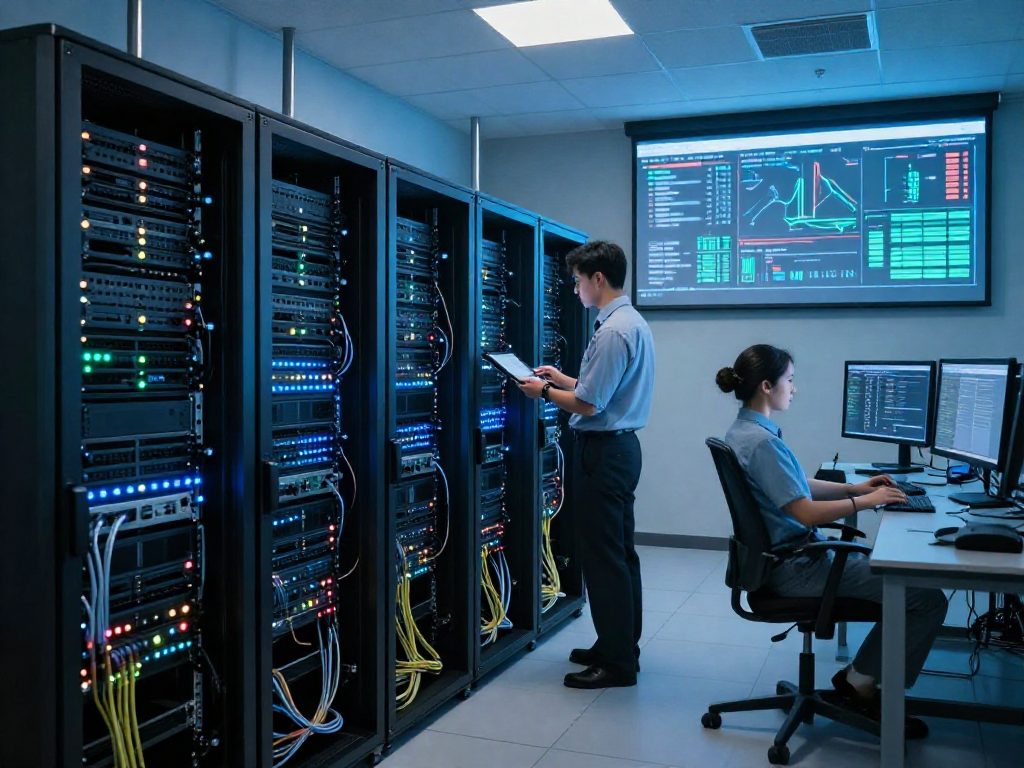
Understanding Intelligent Video Analytics
What is Intelligent Video Analytics?
Intelligent video analytics refers to the use of advanced algorithms and artificial intelligence to automatically analyze video feeds from surveillance systems. This technology enables businesses to extract valuable insights from the data captured by cameras, facilitating informed decisions across various sectors. By leveraging intelligent video analytics, organizations can enhance operational efficiency, improve safety measures, and provide better customer experiences.
The Technology Behind Video Analytics
Intelligent video analytics employs a range of technological components including machine learning, computer vision, and deep learning. These technologies help in identifying patterns, detecting anomalies, and predicting behaviors in real-time. Through capabilities like object detection, facial recognition, and movement tracking, the data captured can be processed to deliver insights that were previously unattainable with traditional video monitoring systems.
Key Benefits for Businesses
The benefits of integrating intelligent video analytics into business processes are manifold:
- Improved Decision Making: Enhanced data interpretation aids management in making informed decisions swiftly.
- Increased Security: Real-time alerts and anomaly detection bolster a business's security infrastructure.
- Enhanced Operational Efficiency: Identifying bottlenecks or inefficient processes through video data can lead to streamlined operations.
- Better Customer Insights: Understanding customer behavior through video flow can lead to improved marketing strategies.
Applications in Various Industries
Retail Use Cases
In the retail sector, intelligent video analytics can track customer movements, monitor in-store behaviors, and assess foot traffic. Retailers can use data to optimize store layouts, improve product placement, and enhance customer experiences. For instance, a retailer might discover that more customers engage with specific displays during peak hours, allowing for targeted promotional strategies.
Transport and Logistics Optimization
For the transportation and logistics sectors, intelligent video analytics offers real-time insights into vehicle movement, loading and unloading processes, and overall efficiency. These insights can reduce delays and minimize operational costs, ensuring timely delivery of goods. Logistics companies can optimize routes based on traffic patterns captured through video monitoring.
Public Safety Enhancements
Public safety benefits significantly from intelligent video analytics through improved surveillance capabilities. Cities deploy such systems to monitor public spaces, identify accidents or crime in progress, and deploy resources accordingly. The technology can analyze behavior patterns to predict potential safety threats, enhancing urban safety measures.
Implementation Strategies
Choosing the Right Tools
Selecting the appropriate tools for implementing intelligent video analytics is crucial for effectiveness. This selection process should involve evaluating the specific needs and objectives of the business. Factors to consider include the scale of the operation, the type of data to be analyzed, and integration capabilities with existing systems. Engaging with vendors who offer flexible, scalable solutions with strong customer support is vital.
Integrating with Existing Systems
Integration of intelligent video analytics into existing systems necessitates a structured approach. Businesses must conduct thorough assessments of current infrastructure, ensuring seamless interaction between legacy systems and the new analytics tools. Proper integration allows for centralized data management and maximizes the utility of both historical and real-time data insights.
Training Staff for Effective Use
Even the most advanced technology requires skilled personnel for effective implementation. Training staff on how to interpret data generated by intelligent video analytics is essential. Programs should focus on interpreting insights, responding to alerts appropriately, and understanding the overall operational benefits of the system. Continuous learning and support will empower teams to leverage the technology fully, driving overall business effectiveness.
Evaluating Performance Metrics
Key Performance Indicators for Analytics
Establishing key performance indicators (KPIs) is crucial in measuring the success of intelligent video analytics. Businesses should focus on various metrics, such as reduction in incident response times, improved customer engagement rates, and operational cost savings. Tracking these KPIs provides accountability and allows businesses to assess the system’s return on investment.
Feedback Loops and Continuous Improvement
Implementing feedback loops enhances the functionality of intelligent video analytics. By continuously gathering user feedback and performance data, businesses can adapt their processes and make necessary adjustments to improve accuracy and efficiency. This iterative approach leads to a cycle of ongoing enhancement, optimizing the value derived from the system.
Case Studies of Successful Implementations
Examining case studies of successful implementations reveals valuable lessons in the deployment of intelligent video analytics. For example, a large retail chain might have integrated video analytics into their workflow, resulting in a 30% increase in customer satisfaction scores due to improved product visibility and in-store navigation. Such case studies highlight practical applications and encourage similar strategies across various industries.
Future Trends in Intelligent Video Analytics
Advancements in AI and Machine Learning
The future of intelligent video analytics is closely tied to advancements in artificial intelligence and machine learning. Ongoing research continues to develop algorithms capable of analyzing vast amounts of data more accurately and quickly. Future systems may deliver predictive analysis, identifying trends before they emerge based on historical patterns, further enriching decision-making processes.
Ethical Considerations and Compliance
As the capabilities of intelligent video analytics expand, so do the ethical considerations surrounding its use. Organizations must navigate privacy concerns and obtain consent where required. Compliance with data protection regulations is paramount, implementing clear policies on data management and usage to foster trust among customers.
Predictive Analytics Insights
Predictive analytics is anticipated to become a cornerstone of intelligent video analytics. The capability to forecast events based on previous data will allow businesses to proactively address potential issues. Organizations will be able to enhance operational planning and resource allocation, driving greater sustainability and efficiency in their processes.
Frequently Asked Questions
What are the main functions of intelligent video analytics?
Intelligent video analytics can perform functions such as real-time monitoring, anomaly detection, customer behavior analysis, and safety alerts.
How does video analytics enhance security?
Video analytics enhances security by providing real-time alerts for suspicious behavior, facilitating faster responses to potential threats or incidents.
Can intelligent video analytics integrate with existing systems?
Yes, many intelligent video analytics solutions are designed to integrate seamlessly with existing security and operational systems.
What industries benefit from intelligent video analytics?
Several industries—including retail, transportation, logistics, and public safety—benefit from the insights provided by intelligent video analytics.
How can businesses measure the effectiveness of video analytics?
Businesses can measure effectiveness by tracking KPIs such as incident response times, operational cost reductions, and customer satisfaction improvements.