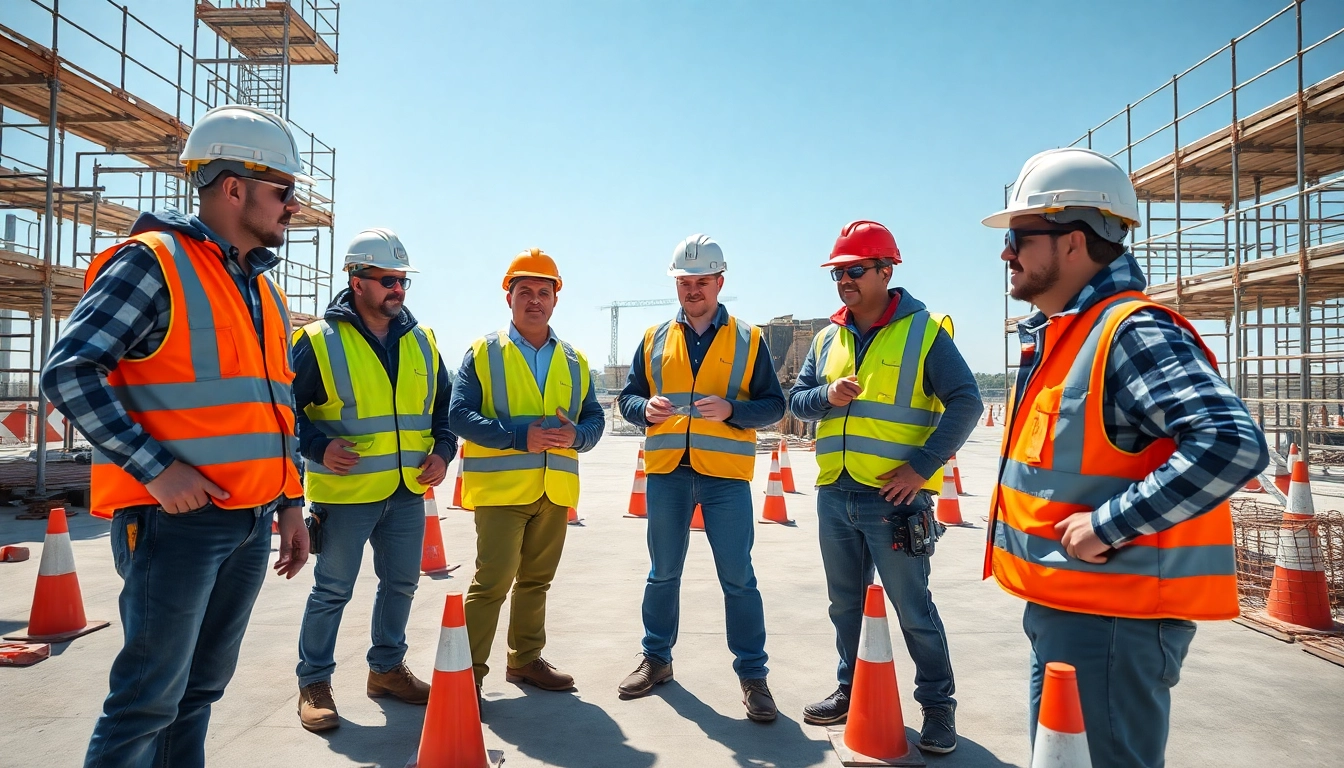
Understanding the Importance of Construction Safety Training
Construction sites are inherently dangerous environments, where the risk of accidents and injuries can run high. This makes construction safety training an essential component of effective site management. It is not merely a compliance exercise; it is a vital investment in human welfare, operational efficiency, and legal integrity. By comprehending and implementing robust safety training programs, stakeholders can mitigate risks, enhance productivity, and foster a culture of safety that protects workers and property alike.
What is Construction Safety Training?
Construction safety training encompasses the policies, procedures, and practices employed to equip workers with the knowledge and skills necessary to perform their jobs safely. It provides workers with education on specific risks they may encounter on-site, such as falls, electrical hazards, and equipment malfunctions. Training typically covers topics from basic safety practices to specialized technical skills, aimed at promoting awareness and compliance with safety regulations.
Why Construction Safety Training is Essential
The primary aim of construction safety training is to reduce the incidence of workplace accidents. By educating employees about potential hazards and instilling safe work behaviors, construction companies can decrease the likelihood of injuries that not only impact workers’ health but also affect project timelines and costs. Furthermore, compliance with federal and state safety regulations mandates employee safety training, making it critical for legal operability.
Key Benefits of Effective Training Programs
- Reduced Incident Rates: A well-structured training program significantly lowers the chances of workplace accidents and associated costs.
- Increased Productivity: When workers feel safe, they are likely to work more efficiently, leading to enhanced overall productivity.
- Regulatory Compliance: Compliance with OSHA and other safety regulations ensures that companies avoid legal penalties, reducing financial risks.
- Cultural Shift: Safety training fosters a culture of accountability and care among workers, encouraging them to take ownership of their safety.
- Employee Morale: When employers prioritize safety, workers feel valued and cared for, which boosts morale and team cohesion.
Common Hazards in Construction Environments
Identifying Potential Risks
Construction sites are fraught with risks, including falls from heights, heavy machinery accidents, electrocutions, and being struck by objects. Identifying these hazards is the first step toward mitigating them. Comprehensive risk assessments, regular safety audits, and employee feedback can help create a detailed hazard identification process.
Understanding Safety Regulations
Safety regulations such as those outlined by the Occupational Safety and Health Administration (OSHA) set minimum safety requirements for construction work. Understanding these regulations is critical for compliance and ensuring workers' safety. Training programs should include insights on these regulations, explaining key compliance standards and practices that workers must follow to maintain safety.
Impact of Negligence on Safety
Neglecting safety protocols can have dire consequences, not only leading to severe injuries or fatalities but also resulting in legal ramifications for construction firms. Understanding the repercussions of negligence, such as fines, litigation costs, and loss of reputation, emphasizes the importance of adherence to safety training and protocols.
Components of an Effective Construction Safety Training Program
Curriculum Essentials for Training
An effective training program must include a well-designed curriculum that covers essential topics tailored to the specific environment and tasks of the workers. Key topics should include:
- Hazard Recognition: Teaching workers to identify and assess hazards before they escalate.
- Emergency Response: Training on how to respond to various emergencies, including injuries and natural disasters.
- Personal Protective Equipment (PPE): Instruction on the proper use and maintenance of necessary safety gear.
- Ergonomics: Techniques for proper lifting and equipment use to prevent musculoskeletal injuries.
Innovative Training Techniques
Incorporating innovative training techniques can enhance engagement and retention among workers. These can include:
- Interactive Workshops: Hands-on sessions that allow employees to practice skills in realistic scenarios.
- Simulation Training: Virtual reality or augmented reality training can offer immersive experiences that replicate high-risk situations without actual danger.
- Peer Learning: Encouraging experienced workers to share insights and strategies creates a collaborative learning environment.
Utilizing Technology in Training
Leveraging technology can significantly improve the effectiveness of safety training. Digital platforms can provide flexible, on-demand courses while mobile apps can offer quick access to safety information and documentation. Moreover, data tracking can assist in monitoring training completions and effectiveness, thus continually enhancing program quality based on real-world insights.
Implementing Construction Safety Training on-Site
Steps to Launch a Training Program
Launching an effective safety training program involves several key steps:
- Assessment: Evaluate current safety procedures and identify gaps in knowledge or compliance.
- Curriculum Development: Create a training curriculum based on the assessments and specific site requirements.
- Resource Allocation: Ensure that adequate resources, both human and material, are in place to support the training program.
- Training Delivery: Conduct the training sessions, ensuring engagement and understanding among all participants.
- Feedback and Improvement: Gather feedback post-training to identify areas for improvement and adapt future training accordingly.
Best Practices for On-Site Training
To maximize the impact of on-site training programs, consider these best practices:
- Promote Inclusivity: Ensure that training materials are accessible and understandable for all workers, regardless of their background or experience level.
- Incorporate Real Scenarios: Use actual experiences and case studies to make training relatable and actionable.
- Frequent Refresher Courses: Regularly scheduled refresher courses help reinforce prior training and keep safety top of mind.
- Encourage Open Dialogue: Create an environment where employees feel comfortable discussing safety concerns and suggestions.
Measuring Training Effectiveness
To understand the return on investment of the safety training program, it is vital to implement evaluation metrics. Key performance indicators (KPIs) could include:
- Incident Rates: Track the number and severity of workplace accidents before and after training to gauge effectiveness.
- Employee Feedback: Regular surveys can provide valuable insights into employees’ perceptions of the training.
- Retention Rates: Assess how much of the training content employees retain over time through quizzes and knowledge assessments.
Frequently Asked Questions about Construction Safety Training
What is the duration of a standard training session?
The duration of a standard training session can vary, typically ranging from a few hours to several days, depending on the complexity of the subject matter and specific training requirements.
How often should safety training be conducted?
Safety training should be conducted at least annually, with additional sessions included whenever there are changes to procedures, equipment, or personnel on-site.
Are there certifications available for safety training?
Yes, various organizations offer certifications for safety training, such as OSHA outreach programs, which can enhance credibility and compliance in workplace safety.
What are common topics covered in safety training?
Common topics include hazard recognition, emergency response strategies, PPE usage, machinery safety, and fall protection, tailored to specific construction site hazards.
How can I ensure all workers participate in training?
To ensure participation, create a mandatory training policy, schedule sessions at convenient times, and emphasize the importance of safety through company culture and leadership engagement.