Understanding Construction Site Safety
Construction sites are bustling environments where skilled workers, heavy machinery, and complex activities come together to create buildings and infrastructure. However, the very nature of construction work makes these sites inherently risky. The implementation of construction site safety protocols is crucial to safeguard the health and well-being of all personnel involved. It ensures not only compliance with laws but also instills a culture of safety that prevents accidents and protects lives.
Importance and Benefits of Construction Site Safety
The importance of safety on construction sites cannot be overstated. By prioritizing safety, construction companies can reap a multitude of benefits, including:
- Reduction in Accidents: A strong safety culture curtails the risk of workplace accidents, which can lead to injuries, fatalities, and property damage.
- Increased Productivity: Safe work environments lead to fewer disruptions and downtime. Workers can focus on their tasks without the anxiety of potential dangers.
- Legal Compliance: Adhering to safety regulations not only avoids legal disputes but also strengthens the company's reputation in the industry.
- Employee Morale: Workers who feel safe are more likely to be satisfied and engaged in their work, leading to lower turnover rates.
- Financial Savings: Preventing accidents through safety measures can save companies from hefty medical bills, legal fees, and compensation claims.
Common Hazards in Construction Sites
Construction sites present a diverse range of hazards that can potentially compromise worker safety. Some of the most prevalent dangers include:
- Falls: One of the leading causes of injuries in construction. Proper guardrails and harnesses are essential.
- Electrical Hazards: Live wires and faulty equipment can lead to severe electrical shocks and fires.
- Tool and Equipment Injuries: Improper use of tools or equipment can cause accidents; proper training is paramount.
- Caught-in or Caught-between Hazards: Workers may be at risk from machinery or materials that could trap them.
- Environmental Hazards: Weather conditions such as high winds or extreme temperatures can increase risk factors significantly.
Legal Regulations for Construction Site Safety
In many countries, strict regulations govern safety practices in construction. For instance, the Occupational Safety and Health Administration (OSHA) outlines detailed standards that employers must follow to protect their workers. These regulations cover everything from fall protection to ladder safety. Regular inspections are essential to ensure compliance and to help avoid fines and penalties that can arise from non-compliance.
Essential Safety Gear and Equipment
Equipping workers with the proper safety gear and equipment is critical for minimizing risks on construction sites. This section delves into the necessary tools and technologies that every construction site should incorporate.
Types of Safety Gear Needed on Construction Sites
There are several essential pieces of safety gear that all construction workers should wear, including:
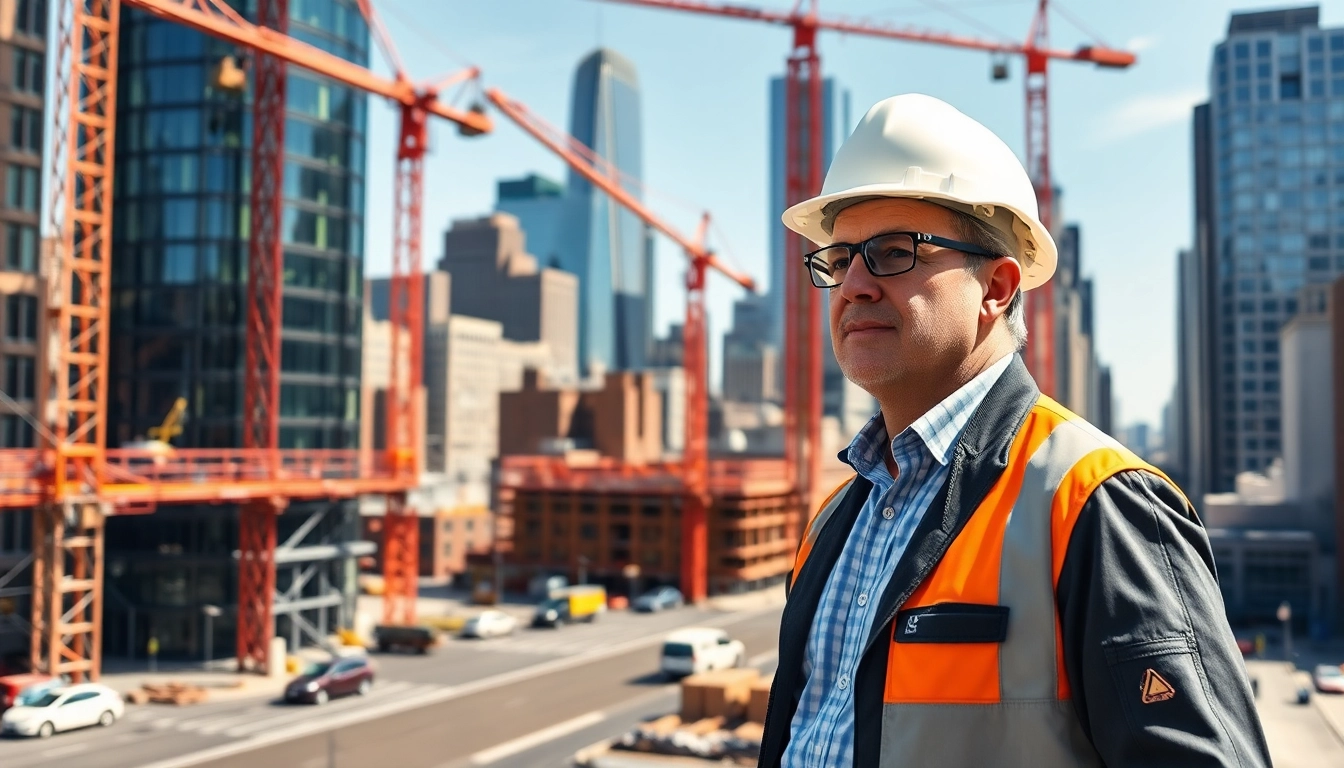
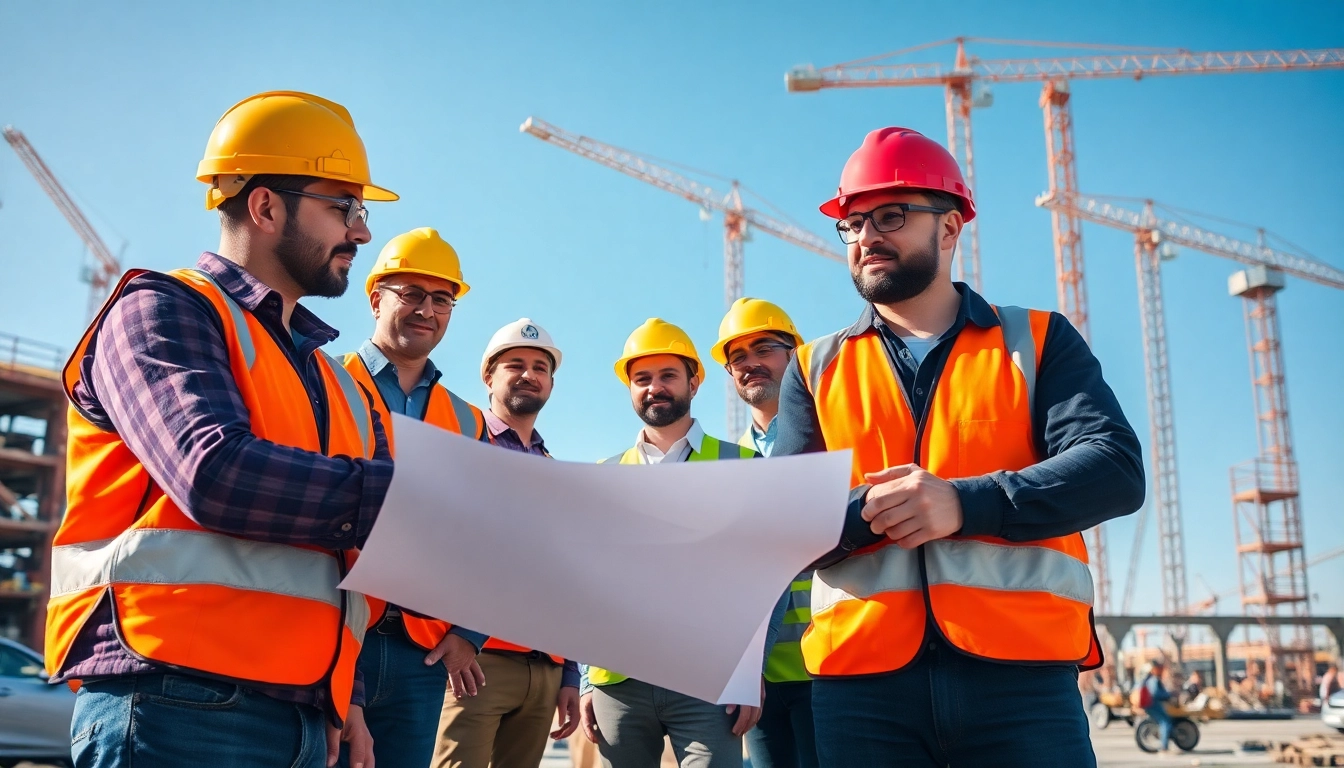
- Hard Hats: Protects against head injuries from falling objects.
- High-Visibility Clothing: Ensures that workers are easily seen by machinery operators and other personnel.
- Safety Glasses: Shields the eyes from debris, dust, and hazardous materials.
- Gloves: Protects hands from cuts, burns, and chemical exposure.
- Steel-Toed Boots: Prevents foot injuries from heavy equipment or materials.
- Respirators: Protects against inhalation of harmful dust and fumes.
How to Properly Use and Maintain Safety Equipment
To maximize the effectiveness of safety gear, workers must be trained in its proper use and maintenance. Regular checks and timely replacement of worn-out gear can ensure that the protective equipment functions as intended. Employers should establish a routine to inspect safety gear and provide immediate replacements if any equipment is found defective.
Innovations in Safety Technology for Construction
The construction industry is rapidly evolving due to advancements in technology. Incorporating innovative solutions enhances safety practices significantly. Some notable technologies include:
- Wearable Technology: Devices that monitor vital signs or detect falls can alert supervisors immediately.
- Drones: Used for site inspections, they can identify hazards from above without putting workers at risk.
- Virtual Reality Training: Provides immersive safety training experiences that prepare employees for real-world scenarios.
- Automated Machinery: Reduces the number of workers exposed to hazards by allowing machines to perform dangerous tasks.
Training and Education for Site Safety
Education and training are foundational elements of any safety management program. Continuous learning helps workers stay informed about best practices and emerging threats in construction.
Mandatory Safety Training for Construction Workers
Most jurisdictions require workers to undergo mandatory safety training before stepping onto a construction site. This training typically covers essential topics such as personal protective equipment (PPE), emergency procedures, and hazard recognition. Regular refresher courses ensure that workers stay updated on the latest safety protocols and regulations.
Creating an Effective Safety Training Program
An effective training program should be tailored to the specific needs of the construction site and the workforce. It should include:
- Onboarding Programs: For new hires to quickly get acquainted with site-specific risks.
- Hands-On Training: Practical experiences that reinforce learning and build confidence.
- Measurement and Evaluation: Regular assessments to evaluate understanding and effectiveness of training.
- Feedback Mechanisms: Opportunities for workers to give input on training relevance and delivery.
Resources for Ongoing Safety Education
To foster a culture of continuous improvement, companies should invest in resources that facilitate ongoing education. These may include:
- Online Courses: Access to flexible, comprehensive safety training courses.
- Industry Seminars: Opportunities to learn from industry experts and network with peers.
- Safety Manuals: Up-to-date guideline books available on-site for quick reference.
Implementing Construction Site Safety Protocols
The development and execution of safety protocols are essential for minimizing risks. Establishing a structured approach ensures comprehensive safety management.
Developing a Safety Management Plan
A robust safety management plan should outline the procedures, protocols, and responsibilities involved in maintaining a safe construction site. Essential components include:
- Risk Assessment Protocols: Identifying potential hazards and evaluating their impact.
- Emergency Response Plans: Detailing steps to take in case of an incident, including evacuation routes.
- Communication Plan: Establishing channels for reporting hazards and incidents seamlessly.
Conducting Risk Assessments and Safety Audits
Risk assessments are vital for identifying vulnerabilities before they result in accidents. Conducting regular safety audits can help evaluate the effectiveness of existing protocols and uncover areas for improvement. Audits should be documented, with findings reviewed by leadership to implement necessary changes.
Monitoring and Reporting Safety Incidents
Establishing a system for monitoring and reporting incidents can help identify underlying issues and mitigate future risks. A transparent reporting system encourages workers to speak up without fear of repercussions, fostering a safer environment.
Evaluating and Enhancing Construction Site Safety
The journey towards optimal safety is continuous. Evaluating existing measures and adapting can lead to enhanced safety outcomes on construction sites.
Measuring the Effectiveness of Safety Measures
To measure safety effectiveness, companies can track metrics such as incident rates, near misses, and employee feedback. Analyzing these statistics can unveil trends and inform future safety initiatives. It’s crucial to share this data with all staff to maintain accountability and transparency.
Adapting Safety Practices for Future Projects
Each construction project is unique, and safety practices should be adjusted accordingly. Leveraging data from past projects can significantly inform planning and risk management strategies for future undertakings. Involve workers in discussions on what safety measures worked well and what needs improvement for upcoming projects.
Real-Life Case Studies of Safety Improvements
Evaluating real-life instances where safety protocols have led to notable improvements can be invaluable. For example, a construction firm that implemented drone assessments reported a significant decline in site accidents, showcasing that innovative practices can lead to tangible safety enhancements. Sharing such success stories can inspire other organizations to adopt similar safety strategies.
Frequently Asked Questions
What are the most common safety hazards on construction sites?
The most common hazards include falls, electrical hazards, tool safety issues, and environmental risks. Proper training and equipment are crucial for minimizing these dangers.
Why is safety training important in construction?
Safety training is important because it equips workers with the knowledge to recognize hazards, follow safety protocols, and respond to emergencies effectively, ensuring their safety.
How can I ensure my safety equipment is effective?
Regular maintenance, inspections, and proper training are essential for ensuring that safety equipment remains effective and in good condition for optimal protection.
What should be included in a safety management plan?
A safety management plan should include risk assessment protocols, emergency response procedures, and clear communication channels for reporting hazards or incidents.
How can technology improve construction site safety?
Technology improves safety through innovations such as wearable devices, drones for site inspections, and VR training, which enhance risk awareness and preparedness.