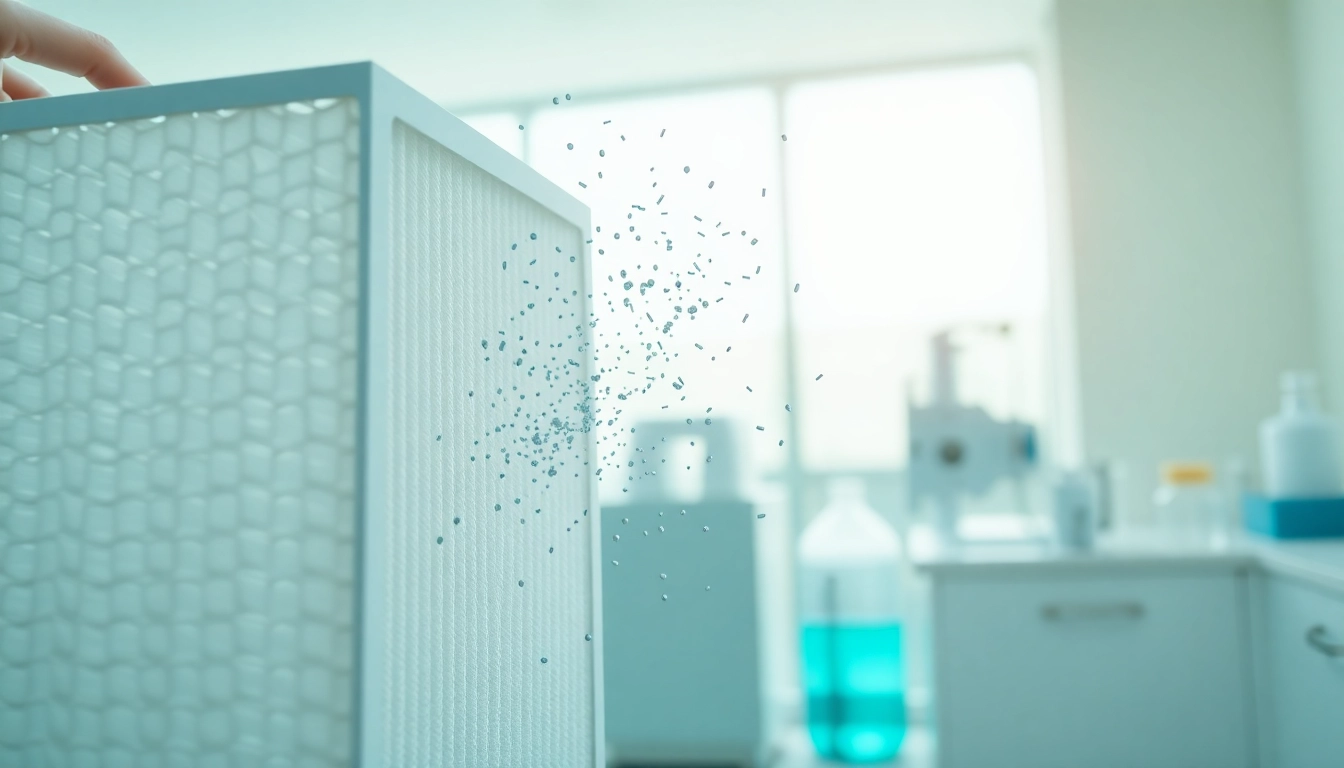
Understanding HEPA Filters: What You Need to Know
Air quality is crucial not only for our comfort but also for our health. One of the best ways to ensure that the air we breathe indoors is clean and safe is through effective air filtration. HEPA filters, known for their efficiency and reliability, have become a go-to solution for improving indoor air quality. In this article, we will delve deep into HEPA filters, exploring their function, benefits, applications, and future innovations, providing you with a comprehensive understanding of this essential air cleaning technology. For more specifically tailored options, visit our detailed guide on hepa filters.
What is a HEPA filter?
HEPA stands for High-Efficiency Particulate Air, and a HEPA filter is a type of air filter that can trap a significant amount of very small particles that other filter types might miss. To be classified as a HEPA filter, the device must meet specific efficiency standards set by the U.S. Department of Energy (DOE). Specifically, HEPA filters must capture at least 99.97% of particles that are 0.3 microns in size. This includes allergens, dust, pet dander, pollen, and even some bacteria and viruses, making them an invaluable resource for people suffering from allergies or respiratory conditions.
Key benefits of using HEPA filters
The benefits of HEPA filters extend far beyond simply cleaning the air. Below are some of the most pressing advantages:
- Improved Air Quality: HEPA filters effectively remove pollutants from the air, resulting in significantly improved indoor air quality.
- Health Benefits: By reducing airborne allergens and pathogens, HEPA filters can help decrease respiratory issues and other health problems associated with poor air quality.
- Versatility: HEPA filters can be used in a variety of settings, including homes, hospitals, and industrial environments, catering to different air quality needs.
- Low Maintenance: HEPA filters typically require minimal maintenance, making them a convenient option for users.
Basic components and construction of HEPA filters
HEPA filters are constructed from a dense mat of randomly arranged fibers, usually made from fiberglass. The size and arrangement of these fibers work together to trap particles as air passes through the filter. The construction includes:
- Filter Media: The core material, typically fiberglass, which captures particles.
- Frame: The sturdy structure that holds the filter media in place, often made from cardboard or plastic.
- End Caps: These provide a seal to ensure that the air enters the filter through the media and not around it, maximizing efficiency.
How HEPA Filters Work: The Science Behind Filtration
The filtration process explained
HEPA filters use a three-part process to filter out contaminants from the air: interception, inertial impaction, and diffusion. When air passes through the filter, the most common methods by which particles are captured include:
- Interception: Particles that come within one radius of a fiber stick to it as air flows past.
- Inertial Impaction: Larger particles are unable to follow the airstream due to their inertia and collide with the filter fibers.
- Diffusion: Smaller particles move erratically when they collide with air molecules, increasing the likelihood of their capture.
Common allergens and particles captured by HEPA filters
HEPA filters are exceptionally efficient at capturing a broad spectrum of airborne particles. The following are some common allergens and contaminants effectively trapped by HEPA filters:
- Pollen: Tiny grains from plants that can trigger allergies.
- Dust Mites: Microorganisms found in household dust that can cause asthma and allergy symptoms.
- Pet Dander: Skin flakes from pets, a common allergen for many people.
- Smoke Particles: Tobacco and wood smoke contain fine particulate matter that can affect respiratory health.
- Bacteria and Viruses: Some pathogens that can lead to infections are caught effectively by these filters.
Comparing HEPA filtration to other types of filters
While there are many air filtration technologies available, HEPA filters stand out for their impressive particulate removal efficiency. Here’s how HEPA filters compare to some other common types of filters:
Filter TypeParticle Size CapturedEfficiencyTypical UseHEPA Filters0.3 microns and larger99.97%Homes, hospitals, clean roomsFiberglass FiltersLarge particles onlyLess than 20%Basic HVAC systemsElectrostatic Filters0.3 microns and largerFlexible performanceHome and commercial useIonizersVariableNot applicableOdor and chemical removal but not dust
Selecting the Right HEPA Filter for Your Needs
Factors to consider when choosing a HEPA filter
Selecting the right HEPA filter for your specific needs can be a crucial step in maintaining good air quality. Here are some factors to consider:
- Room Size: The size of the area needing filtration will determine the filter’s specifications and airflow capabilities.
- Type of Contaminants: Analyze which pollutants are a concern in your space so you can select a filter with appropriate efficacy.
- Flow Rate: Consider the air exchange rate, which indicates how effectively the filter can clean the air in that space over a period.
- Access for Maintenance: Ensure the filter can be easily integrated into your existing HVAC system or standalone unit.
Understanding MERV ratings and their importance
MERV, or Minimum Efficiency Reporting Value, is a scale that ranks the effectiveness of air filters based on their ability to capture particles of varying sizes. Understanding MERV ratings helps you select the most suitable filter for your needs:
- MERV 1-4: Basic filters; ideal for large particles and light dusting.
- MERV 5-8: These filters can trap mold spores, dust mites, and pet dander.
- MERV 9-12: More effective for allergens and finer particles, suitable for residential use.
- MERV 13-16: These are considered HEPA-like and are capable of capturing bacteria and smoke particles.
- MERV 17-20: True HEPA filters; used in hospitals and clean rooms to capture nearly all contaminants.
Common applications of HEPA filters in different settings
HEPA filters are versatile and used in various settings tailored to specific needs:
- Residential Use: HEPA filters are commonly found in home air purifiers, vacuum cleaners, and HVAC systems to enhance indoor air quality.
- Medical Facilities: Hospitals use HEPA filters in surgical rooms and isolation units to prevent the spread of infections.
- Industrial Applications: In manufacturing, these filters help maintain clean environments by reducing airborne contaminants that may affect product quality.
- Commercial Spaces: Offices and schools often implement HEPA filters to improve air quality for employees and students.
Maintaining Your HEPA Filter: Tips and Best Practices
When and how to replace your HEPA filter
Proper maintenance of HEPA filters ensures they operate at peak performance. Generally, HEPA filters can last from six months to two years, depending on usage and environmental conditions:
- Frequency of Replacement: Monitor the filter’s condition regularly. If you notice discoloration or a substantial decrease in airflow, it’s time to replace it.
- Purchase an Indicator: Some air purifiers come with filter replacement indicators, making it easier to keep track of when to change the filter.
Cleaning vs. replacing: what you need to know
Cleaning HEPA filters can be a tempting option to save costs, but it’s essential to understand the limitations. Most true HEPA filters are not designed to be cleaned:
- Reusable HEPA Filters: Some models may be designed for cleaning. Follow manufacturers' guidelines for maintenance.
- Disposable HEPA Filters: These filters should be replaced rather than cleaned to ensure they continue to function effectively.
Ensuring optimal performance and longevity of your HEPA filter
To maximize the life and effectiveness of a HEPA filter, consider these tips:
- Regular Maintenance: Regular system checks and filter replacements enhance performance.
- Avoid Contaminants: Keep indoor pollution to a minimum by using non-toxic cleaning products and avoiding smoking indoors.
- Monitor Airflow: Ensure that the filter is installed correctly and that air is flowing freely through the unit.
The Future of Air Filtration: Innovations in HEPA Technology
Emerging technologies in air filtration
As technology advances, so do filtration technologies. Research and innovation are continuously developing new materials and strategies to enhance HEPA filter performance. Emerging technologies include:
- Nanotechnology: Incorporating nanomaterials can lead to more efficient air filtration with lighter and thinner designs without compromising performance.
- Smart Filters: Integration of IoT technology allows monitoring factors like air quality and filter life, alerting users when maintenance is required.
The role of HEPA filters in combating indoor air pollution
Indoor air pollution is a growing concern, especially in urban environments. HEPA filters are positioned as a significant solution in combating these issues. Their ability to remove contaminants like volatile organic compounds (VOCs) and fine particulate matters promotes cleaner and healthier living and working environments.
What to expect from future HEPA filter designs
The future of HEPA filters is promising, with expectations for designs that are more efficient, easier to maintain, and even capable of sterilizing air:
- Bacteria and Virus Neutralization: Future designs may incorporate materials that neutralize pathogens upon contact, providing not just filtration but also disinfection.
- Environmental Sustainability: There is a push for eco-friendly materials and the possibility of recycling or repurposing filter media after use.
- Compact and Aesthetically Pleasing Designs: As more consumers invest in air purifiers for everyday home use, the demand for stylish and compact designs is on the rise.