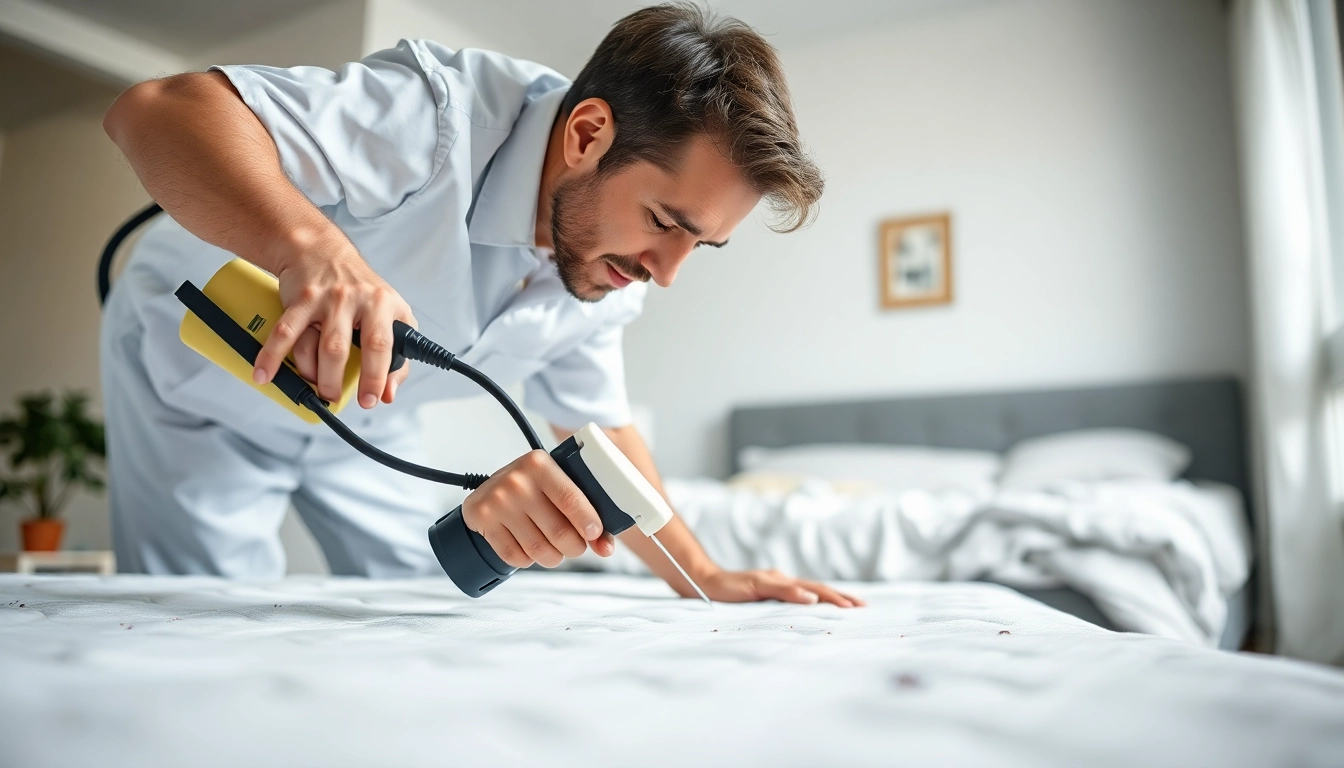
Understanding the Bed Bug Exterminator Process
Dealing with a bed bug infestation can be daunting. To effectively eliminate these pests, understanding the role of a bed bug exterminator is essential. This article delves into the detailed extermination process, the tools typically employed, and the preparation steps homeowners should take before an exterminator arrives.
What to Expect During Treatment
When a bed bug exterminator visits your home, the first step typically involves an extensive inspection. This helps identify the level of infestation and determine the best treatment strategy. Expect the exterminator to check beds, furniture, baseboards, and any potential hiding spots.
After the evaluation, the exterminator will discuss the findings with you. Open communication ensures you understand the necessary action plan, which may involve multiple treatment methods to ensure complete eradication. Common treatments include steaming, chemical sprays, and heat treatments.
Tools and Techniques Used by Exterminators
Exterminators employ various tools and techniques to eliminate bed bugs effectively. Some of the most common include:
- Heat Treatment: This method involves raising the temperature in the affected area to a level that is lethal to bed bugs.
- Insecticides: Chemical sprays formulated specifically to target bed bugs can be highly effective. Exterminators apply these in a targeted manner to avoid unnecessary exposure to humans and pets.
- Vacuuming: High-powered vacuums are used to physically remove bed bugs and their eggs from infested areas, particularly from mattresses and furniture.
- Monitoring Devices: Exterminators may also use bed bug detection traps and monitors to assess the effectiveness of their treatment over time.
Preparation Steps for Homeowners
Preparing your home before the exterminator arrives can significantly enhance the efficacy of the treatment. Here are crucial steps homeowners should take:
- Declutter: Remove unnecessary items from the infested area to create a clear path for the extermination process.
- Launder Fabrics: Wash bedding, curtains, and clothing in hot water, and dry them on high heat to kill any bed bugs hiding in these materials.
- Furniture Arrangement: Move furniture away from walls, making it easier for the exterminator to access all areas needing treatment.
- Secure Pets: Ensure pets are kept away from treatment areas during the extermination process to safeguard their health.
Why You Need a Professional Bed Bug Exterminator
The complexity of eliminating bed bugs is a significant reason to hire professionals. Engaging a qualified bed bug exterminator offers numerous advantages that surpass DIY approaches.
Benefits of Expert Extermination Services
Opting for professional extermination services has several benefits:
- Expertise: Exterminators possess specialized knowledge of bed bug behavior, allowing for targeted treatments.
- Access to Advanced Tools: Professionals use state-of-the-art equipment and insecticides that are often not available to the public.
- Guaranteed Results: Most exterminators provide warranties for their services, ensuring that if bed bugs return, they will retreat as needed.
Common Pitfalls of DIY Treatments
Many homeowners are tempted to handle bed bug infestations on their own but often encounter pitfalls, including:
- Inadequate Solutions: DIY treatments often fail to address the root of the problem, allowing bed bugs to return.
- Health Risks: Misuse of chemicals or inadequate protective measures can pose health risks to individuals and pets.
- Time-Consuming: DIY methods can be lengthy and often lead to frustration without guaranteed results.
Signs You Need Immediate Assistance
Recognizing the signs of a bed bug infestation is critical. Seek immediate help if you notice:
- Visible bed bugs or their eggs on furniture or bedding.
- Dark spots (bed bug excrement) on mattresses or walls.
- Unexplained bites on your skin, especially in clusters or lines.
- An unusual musty odor in your bedroom or resting areas.
Cost Factors for Bed Bug Exterminator Services
Understanding the financial implications of hiring a bed bug exterminator is vital for homeowners. Various elements influence treatment costs.
Average Pricing Breakdown
The cost of bed bug extermination varies widely based on multiple factors, but on average, homeowners can expect to pay between $500 to $5,000, depending on the severity of the infestation and the size of the property. Prices may also vary by location, with treatments typically ranging from $800 to $1,000 per room.
Factors Influencing Treatment Costs
Several factors will influence the overall cost of bed bug extermination, including:
- Extent of the Infestation: Heavily infested homes will require more extensive treatment, driving up costs.
- Type of Treatment Used: Different methods (chemical, heat, etc.) come at different price points, with heat treatment generally being more expensive.
- Size of the Area: Larger homes or those with numerous rooms will incur higher costs due to the increased time and resources needed.
Insurance and Coverage Options
Homeowners may find insurance policies that cover pest control services, but this varies greatly. Consulting your insurance provider can clarify whether extermination costs can be partially or fully covered. Many providers consider bed bug treatments a homeowner's responsibility, so proactive measures to prevent infestations may also be covered.
Preventing Future Bed Bug Infestations
After successfully eliminating bed bugs, focus on prevention to avoid future infestations. Here are several strategies homeowners can implement.
Effective Home Maintenance Tips
Regular home maintenance can go a long way in thwarting bed bugs. Consider these tips:
- Keep clutter to a minimum, especially in sleeping areas.
- Regularly vacuum and steam clean carpets and upholstery.
- Inspect secondhand furniture before bringing it into your home.
- Seal cracks and crevices in walls and baseboards where bed bugs can hide.
Traveling Safely to Avoid Infestations
Traveling can introduce bed bugs into your home. Here are essential precautions:
- Inspect luggage and hotel rooms upon arrival for signs of bed bugs.
- Keep luggage off the floor and bed, using luggage racks instead.
- Launder clothing immediately upon returning home, especially if traveled a lot.
How to Inspect for Bed Bugs Regularly
Incorporating inspection into your regular routine can help catch infestations early:
- Check mattresses and box springs for signs of bed bugs, particularly seams and folds.
- Look for dark spots on bedding and around the bed frame.
- Perform regular sweeps of your home’s common areas where bed bugs might hide.
Frequently Asked Questions About Bed Bug Exterminators
How do I permanently get rid of bed bugs in my house?
Successfully ridding your home of bed bugs involves a combination of professional extermination treatments and vigilant prevention strategies, such as thorough cleaning and eliminating clutter.
Are bed bug exterminators safe for pets and children?
Most professional extermination methods are safe for pets and children, especially when precautions are taken. Always discuss potential risks with your exterminator beforehand.
How long does the extermination process take?
The extermination process duration can vary based on the infestation level but generally takes anywhere from a few hours up to a couple of days, including follow-up treatments if necessary.
Can I stay in my home during the treatment?
Depending on the methods used, you may need to vacate the premises for a few hours to a day. Your exterminator will provide specific guidance based on your situation.
What should I do if bed bugs come back after treatment?
If bed bugs return after treatment, contact your exterminator immediately. Many companies offer guarantees and will re-treat your home at no additional cost within a specified timeframe.