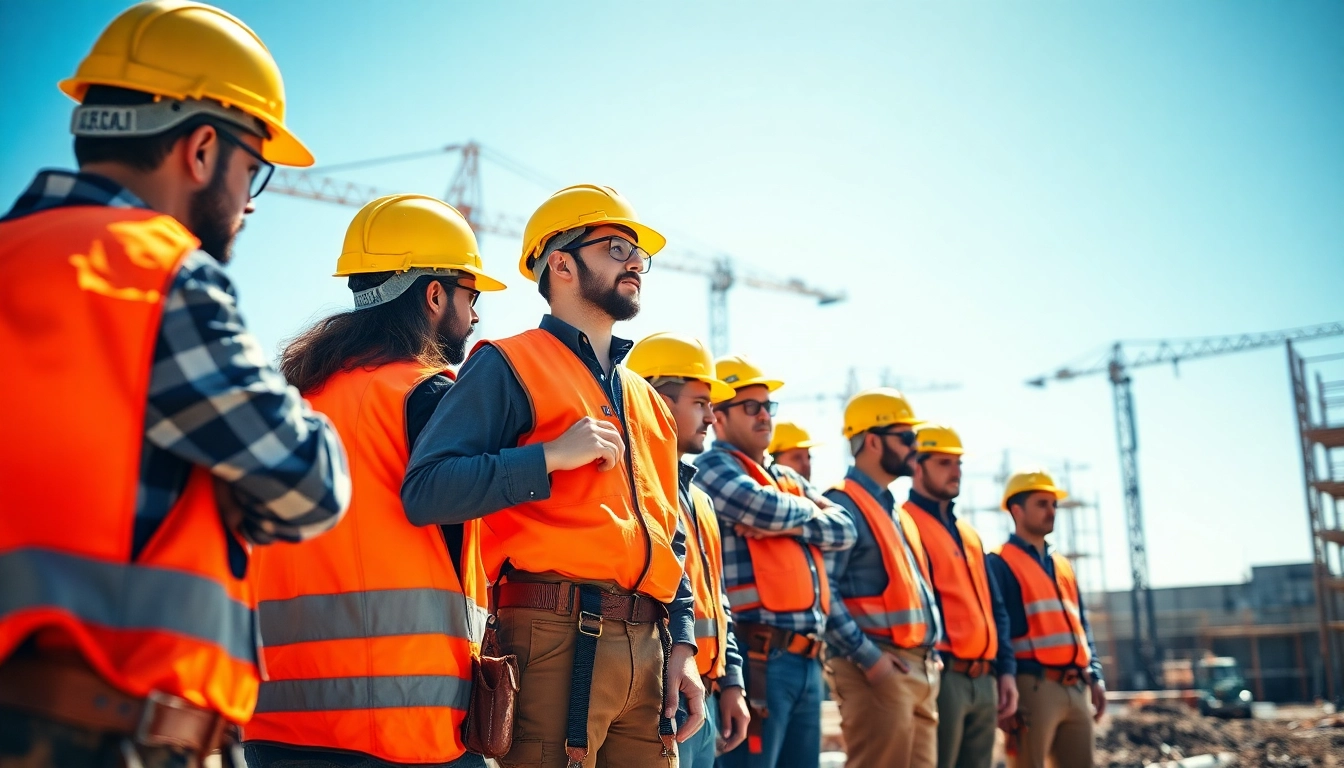
Understanding the Importance of Construction Safety Training
In the construction industry, safety is paramount. The nature of construction work poses inherent risks, and effective training is essential for minimizing workplace accidents. A well-structured construction safety training program not only protects workers but also ensures compliance with legal regulations, promotes productivity, and reduces costs associated with accidents and delays.
The Role of Training in Minimizing Workplace Accidents
Training is a critical component in fostering a safety-oriented culture within construction projects. By equipping workers with the knowledge and skills to identify hazards and respond appropriately, training helps to mitigate the risks associated with construction work. Studies have shown that companies that prioritize safety training experience significantly lower accident rates. This not only protects employees but also safeguards company assets and reputation.
Legal Requirements for Construction Safety Training
Compliance with local, state, and federal regulations is essential for any construction site. Various regulations, such as the Occupational Safety and Health Administration (OSHA) standards, mandates specific training for workers in hazardous environments. Failure to adhere to these legal requirements can result in severe penalties, work stoppages, and liability for workplace injuries. It's imperative for construction companies to stay abreast of current training requirements and ensure their programs meet or exceed these standards.
Benefits of Effective Safety Training Programs
Effective safety training programs offer numerous benefits, including:
- Reduction in Accidents: Accidents can have devastating consequences, not only on employees but also on project timelines and budgets. Proper training significantly reduces the likelihood of incidents.
- Increased Employee Morale: Workers who feel safe are more productive and engaged. A commitment to safety fosters a culture of trust and respect between management and staff.
- Financial Savings: Investing in safety training can lead to long-term cost reductions associated with worker compensation, legal fees, and project delays.
- Improved Company Reputation: A strong safety record enhances brand reputation, making it easier to attract and retain both employees and customers.
Key Components of a Construction Safety Training Program
Identifying Necessary Skills and Knowledge Areas
An effective safety training program starts with a thorough analysis of the specific skills and knowledge areas required for various roles on the construction site. This assessment should consider:
- The type of construction work being performed.
- The specific hazards associated with those tasks.
- The experience level of the workforce.
- State and federal safety regulations applicable to the work.
Identifying these areas ensures that training is tailored and relevant, providing maximum benefit to the workers and the project as a whole.
Developing an Effective Curriculum
Once the necessary skills and knowledge areas have been identified, the next step is developing a comprehensive curriculum. The curriculum should include:
- Theoretical knowledge related to safety standards and protocols.
- Practical training that includes hands-on exercises and demonstrations.
- Assessment strategies to evaluate the effectiveness of the training.
Collaboration with experts in safety training can enhance curriculum development, ensuring it meets regulatory requirements and industry best practices.
Utilizing Technology and Tools in Training
Incorporating technology into safety training can significantly enhance the learning experience. E-learning platforms, virtual training sessions, and mobile applications can provide accessible training resources that cater to various learning styles. Additionally, using drones for site surveys or virtual reality (VR) simulations can create immersive training experiences. These tools help workers grasp complex concepts and practices in a controlled, engaging environment.
Best Practices for Implementing Construction Safety Training
Incorporating Real-World Scenarios and Simulations
Real-world scenarios and simulations are vital for bridging the gap between theory and practice. Training programs that include realistic simulations of emergency situations enable workers to practice their responses in a safe environment. This practical experience helps build confidence and ensures workers are better prepared to handle real-life challenges on the job site.
Engaging Workers: Tips and Techniques
Engagement is key to effective training. Consider the following techniques for fostering an engaged learning atmosphere:
- Use interactive training methods rather than traditional lectures.
- Encourage participation through discussions and Q&A sessions.
- Recognize and reward safe behaviors and achievements.
- Solicit feedback on training methods and content for future improvements.
By actively involving workers, you create a more invested workforce that values safety.
Measuring and Assessing Training Effectiveness
Effective training requires continual assessment to gauge its impact on behavior and safety outcomes. Consider using the following methods:
- Pre- and post-training assessments to evaluate knowledge retention.
- On-site observations to assess the application of learned skills.
- Incident rate tracking to analyze improvements in safety performance.
Regular evaluations help organizations refine their training programs and address any gaps in knowledge or skill application.
Common Challenges in Construction Safety Training
Addressing Resistance to Training Among Workers
Resistance to training can be a significant hurdle in construction safety programs. Factors contributing to this resistance may include perceived irrelevance, lack of time, or prior negative experiences. To mitigate resistance, emphasize the benefits of training, involve workers in the development process, and provide flexible training schedules to accommodate work shifts.
Overcoming Budget Constraints for Training Programs
Budget limitations often pose a challenge when implementing comprehensive training programs. Organizations can adopt a phased approach, prioritizing critical training areas and exploring cost-effective e-learning solutions. Furthermore, investing in training can lead to long-term financial savings by reducing accidents and related costs.
Ensuring Sustainability and Continuous Improvement
To achieve long-lasting safety improvements, organizations must prioritize continuous learning and adaptation of their training programs. Regularly review and update training material, incorporate emerging safety trends and technologies, and seek ongoing feedback from workers. This proactive approach fosters a culture of safety that evolves with the construction industry.
Future Trends in Construction Safety Training
The Impact of Virtual Reality and Augmented Reality Technologies
As technology continues to shape various industries, virtual reality (VR) and augmented reality (AR) are making their way into construction safety training. These immersive technologies allow workers to practice safety protocols in realistic environments, enhancing engagement and retention. As VR and AR become more accessible, their integration into safety training will likely become standard practice in the industry.
Emphasizing Mental Health and Wellbeing in Training
Physical safety is important, but mental health is equally crucial in fostering a productive workforce. Future safety training programs will likely incorporate modules addressing mental health awareness, stress management, and coping strategies. By promoting mental wellbeing alongside physical safety, organizations can create a holistic approach that addresses the overall welfare of their workers.
The Rise of Personalized Safety Training Approaches
As the construction workforce diversifies, personalized training programs are becoming increasingly necessary. Tailoring training to meet the specific needs of various worker demographics and roles enhances relevance and effectiveness. Organizations will likely move towards more individualized training plans that consider factors such as language, learning preferences, and previous experiences to optimize safety outcomes.
FAQs About Construction Safety Training
What is construction safety training?
Construction safety training is a program designed to educate workers about safety practices, protocols, regulations, and emergency response techniques specific to the construction industry.
Why is construction safety training important?
It is important because it helps minimize workplace accidents, ensures compliance with legal requirements, and enhances worker morale and productivity.
What are the key components of a safety training program?
The key components include identifying necessary skills, developing a comprehensive curriculum, and integrating technology for better training delivery.
How can I assess the effectiveness of safety training?
Effectiveness can be assessed through pre- and post-training tests, on-site observations, and tracking incident rates to gauge improvements in safety performance.
What are the emerging trends in construction safety training?
Emerging trends include the use of VR and AR technology, a focus on mental health and wellbeing, and personalized training approaches to meet diverse workforce needs.