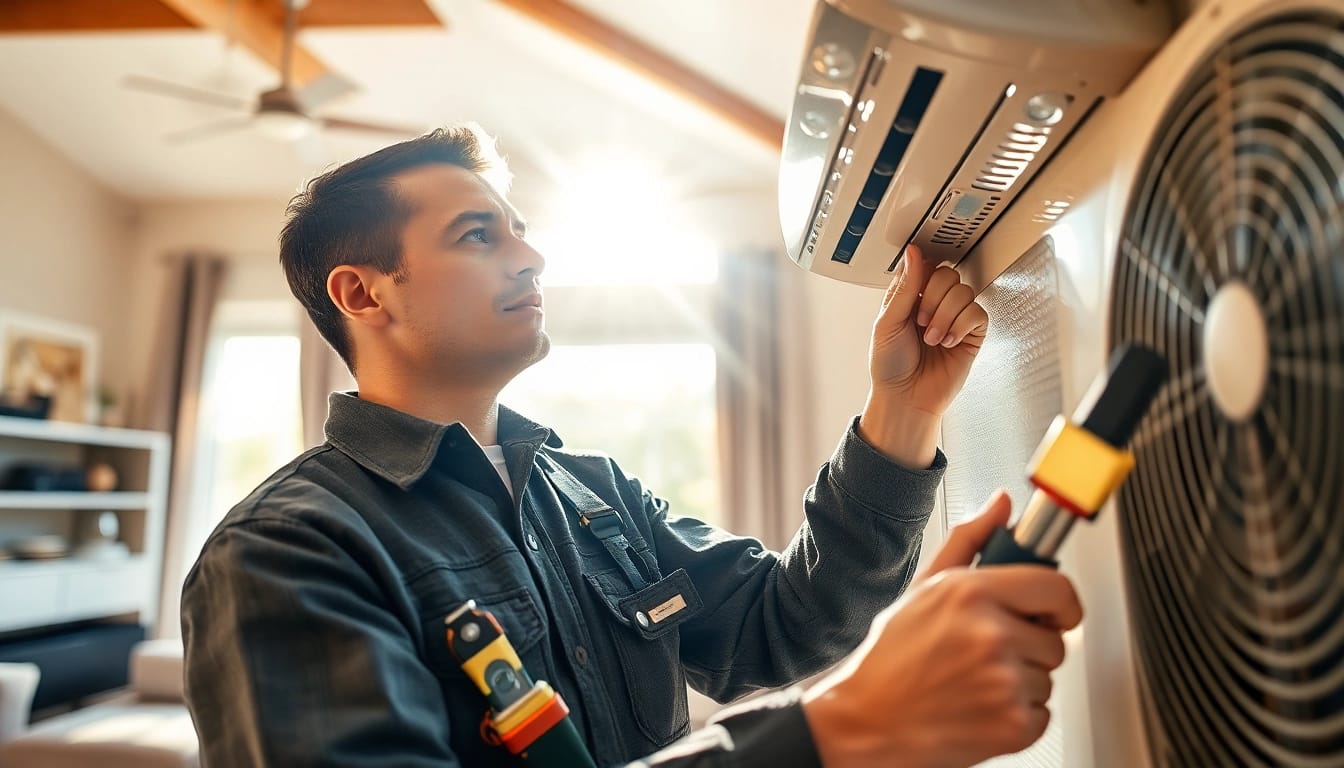
Understanding HVAC Systems
What is an HVAC System?
Heating, Ventilation, and Air Conditioning (HVAC) systems are essential components in residential and commercial buildings tasked with regulating indoor climate. An HVAC system delivers thermal comfort and acceptable indoor air quality through various processes including heating, cooling, and ventilation. The primary goal of an HVAC system is to maintain a comfortable environment regardless of external weather conditions. HVAC systems encompass various technologies, providing heating and cooling via different methods, which can significantly impact energy consumption and overall comfort.
Common Types of HVAC Systems
There are several types of HVAC systems, each tailored to specific needs and settings. Below are some of the most common:
- Split Systems: These include an outdoor unit (for cooling) and an indoor unit (for heating). The two units are interconnected via refrigerant lines.
- Packaged Systems: All components, including the compressor, condenser, and evaporator, are contained within a single unit, typically installed on the roof or ground.
- Ductless Mini-Split Systems: These systems consist of an outdoor compressor and one or more indoor air-handling units, allowing for zone control without ductwork.
- Hybrid Systems: Utilizing both a heat pump and a furnace for heating, these systems can switch between electricity and gas, providing flexibility and efficiency.
- Geothermal Systems: These systems use the earth’s stable ground temperature to heat and cool buildings, promoting energy efficiency.
Key Components of HVAC Systems
Understanding the key components of HVAC systems is critical for effective management and maintenance. The major parts include:
- Thermostats: Devices that control the system's temperature settings, ensuring comfort.
- Furnaces and Boilers: Essential for heating, converting energy into heat that can be distributed throughout the building.
- Air Conditioners: Responsible for cooling the indoor space by removing heat and humidity.
- Fans and Blowers: Circulate air throughout the ducts and into the living spaces.
- Ductwork: The network of ducts that transport conditioned air throughout the building.
Importance of Regular Maintenance
Benefits of Preventative Maintenance
Regular maintenance of HVAC systems is vital for several reasons. It not only extends the life of the system but also enhances performance and efficiency, leading to cost savings over time. Some key benefits include:
- Improved Efficiency: Well-maintained systems operate more efficiently, reducing energy consumption and lowering utility bills.
- Extended Equipment Lifespan: Routine care prevents wear and tear, prolonging the lifespan of HVAC components.
- Enhanced Air Quality: Regular checks and cleanings ensure better air quality by minimizing dust, allergens, and pollutants.
- Fewer Repairs: Preventative measures help identify potential issues before they escalate into costly repairs.
Common Maintenance Practices
To keep HVAC systems running optimally, several key maintenance practices should be employed:
- Regular Filter Replacement: Air filters should be changed monthly or as needed, depending on usage. This ensures uninterrupted airflow and cleaner air.
- Professional Inspections: Schedule annual HVAC inspections to identify and address issues promptly.
- Cleaning Coils: Condenser and evaporator coils can accumulate dust and debris, which can impede performance. Regular cleaning is essential.
- Checking Refrigerant Levels: Low refrigerant levels can indicate leaks, which should be addressed immediately to maintain system efficacy.
Signs Your HVAC Needs Service
Being proactive about HVAC service can save homeowners significant headaches and expenses. Here are signs indicating immediate service is necessary:
- Inconsistent Temperatures: Rooms that vary significantly in temperature could indicate an issue with ductwork or the system itself.
- Strange Noises: Unusual sounds such as banging, clanking, or screeching may indicate mechanical problems.
- Increased Utility Bills: Unexpected spikes in energy costs often signal reduced efficiency or mechanical failure.
- Bad Smells: Foul odors emanating from the HVAC system may suggest mold growth or burning components.
Choosing the Right HVAC Services
Factors to Consider When Hiring
Selecting an HVAC service provider is a critical decision that can impact performance and costs. Consider the following factors:
- Experience and Reputation: Look for companies with a proven track record and positive customer reviews.
- Certifications and Licenses: Ensure the service provider holds the necessary licenses and certifications to operate in your area.
- Transparent Pricing: A reputable company will provide clear estimates with no hidden fees.
- Warranty and Guarantees: Check if the service provider offers warranties on parts and labor.
Types of Services Offered
HVAC companies generally provide a range of services, including:
- Installation: Professional installation of new systems or replacements ensures optimal performance and compliance with regulations.
- Repair: Timely repairs can resolve issues efficiently, restoring comfort and functionality.
- Maintenance: Regular maintenance services to keep the system running smoothly and prevent future problems.
Evaluating Service Quality
Assessing the quality of HVAC services is crucial. Possible evaluation criteria include:
- Customer Feedback: Check online reviews and testimonials to gauge satisfaction levels.
- Response Times: A reliable service should respond promptly to inquiries and emergency situations.
- Professionalism: Evaluate the technicians' knowledge, appearance, and behavior during initial consultations.
Energy Efficiency and Cost Savings
Understanding SEER Ratings
Seasonal Energy Efficiency Ratio (SEER) ratings quantify an air conditioner's cooling efficiency. A higher SEER indicates a more efficient system, translating to lower energy bills. Understanding SEER ratings helps consumers make informed decisions when selecting an HVAC system, contributing to long-term energy savings.
Tips for Improving Energy Efficiency
Enhancing HVAC efficiency can lead to significant energy savings. Consider the following tips:
- Seal Ductwork: Ensuring ducts are well-sealed prevents loss of heated or cooled air, enhancing overall efficiency.
- Upgrade Insulation: Proper insulation reduces the workload on HVAC systems, maintaining desired temperatures more efficiently.
- Utilize Programmable Thermostats: Smart thermostats learn user habits and can optimize energy use by adjusting temperatures based on occupancy.
- Adequate Ventilation: Ensure your home is adequately ventilated to maintain air quality while maximizing energy efficiency.
How to Reduce HVAC Operating Costs
Here are strategies for minimizing HVAC-related expenses:
- Regular Maintenance: As previously discussed, routine inspections and maintenance can prevent costly repairs and improve system efficiency.
- Upgrade to High-Efficiency Units: Investing in modern, energy-efficient models can result in substantial long-term savings.
- Use Ceiling Fans Wisely: Ceiling fans can help distribute air evenly, reducing the need for extensive heating and cooling.
- Zone Control Systems: Implementing zoning can help you control temperatures in specific areas, saving energy and improving comfort.
Future Trends in HVAC Technology
Smart HVAC Systems
The integration of technology into HVAC systems is a significant trend. Smart HVAC systems can adapt to user preferences and external conditions, optimizing performance and energy efficiency. IoT-enabled devices allow homeowners to monitor and control their systems remotely, leading to enhanced convenience and cost savings.
Eco-Friendly Innovations
With increasing awareness of environmental impacts, the HVAC industry is making strides in eco-friendly innovations. These include:
- Use of Refrigerants: Transitioning to eco-friendly refrigerants helps reduce the greenhouse gas emissions associated with traditional refrigerants.
- Energy Recovery Ventilators (ERVs): These systems help recycle energy from exhaust air, minimizing energy waste as fresh air is introduced.
- Solar HVAC Systems: Solar panels can power HVAC systems, significantly reducing energy consumption from non-renewable resources.
Impact of Technology on HVAC Services
Technology is revolutionizing how HVAC services are delivered. With advancements in diagnostics, remote monitoring, and data analysis, service providers can offer proactive maintenance and rapid problem resolution. These technologies help predict failures before they occur, ensuring constant efficiency and comfort for users.
Overall, understanding HVAC systems, their maintenance, service quality, and future trends is crucial for making informed decisions on heating and cooling solutions. For more detailed insights and guidance on HVAC services, visit https://nobleheatingairservices.com.