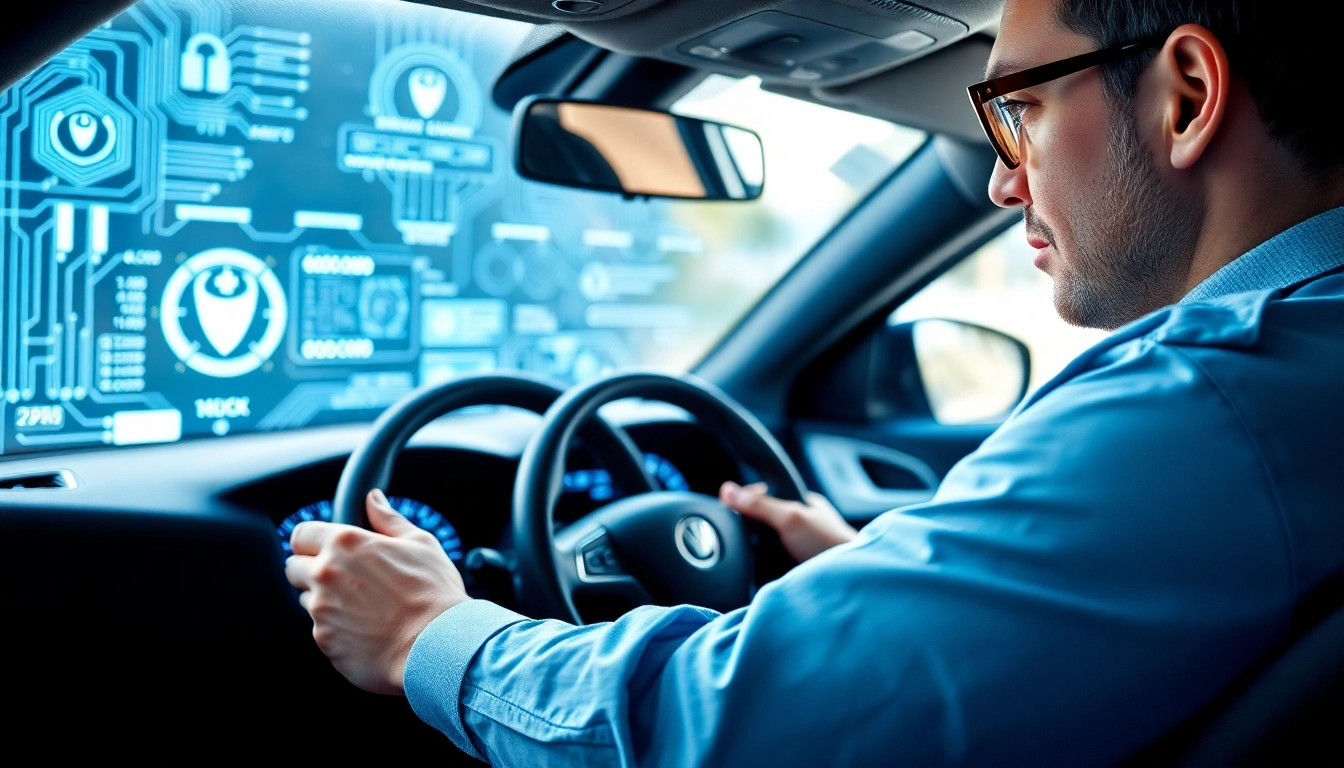
Understanding Car Hacking: An Overview
As technology continues to evolve, vehicles have transformed from simple machines into complex systems integrating advanced software, connectivity features, and sophisticated computer controls. With these advancements come significant concerns about cybersecurity, specifically the rise of car hacking—an issue that has implications for safety, privacy, and legal regulations. In this highly interconnected world, understanding car hacking is crucial for technology enthusiasts, vehicle owners, and industry professionals alike. In this article, we will explore what car hacking is, common vulnerabilities, impacts on safety, various types of car hacks, protective measures available to consumers, the legal landscape surrounding automotive cybersecurity, and the future of car security. For more in-depth insights, you can refer to https://car-hack-world.com.
What is Car Hacking?
Car hacking refers to the unauthorized access of a vehicle's computer systems, which can allow malicious actors to control the vehicle’s functionalities, access personal data, or compromise system security. With modern cars boasting features like built-in Wi-Fi, Bluetooth connectivity, and smartphone integration, they have become increasingly vulnerable to cyberattacks. Hackers can exploit these vulnerabilities for various purposes, ranging from harmless pranks to dangerous situations that endanger lives.
Common Vulnerabilities in Modern Vehicles
Modern vehicles incorporate numerous technologies, but these advancements also mean potential weak points. Some common vulnerabilities include:
- Infotainment Systems: Many vehicle infotainment systems are not adequately secured, making them easy targets for hackers.
- Onboard Diagnostics Ports: The OBD-II port is often used by hackers to gain access to deeper vehicle systems to extract data or even control the car.
- Wireless Connectivity: Features like Bluetooth and Wi-Fi can be exploited if not properly secured.
- Weak Authentication: Many vehicle applications may use weak passwords or no authentication at all, allowing unauthorized access easily.
The Impact of Car Hacking on Safety
The ramifications of car hacking extend beyond mere theft of information or vehicle control; they can significantly impact driver safety. Examples of potential consequences include:
- Loss of Control: A hacker could manipulate a vehicle such that the driver loses control, leading to potential crashes.
- Data Breaches: Personal information stored within the vehicle could be accessed and misused.
- Legal Liability: Car manufacturers could face lawsuits if they are found to be negligent in their cybersecurity efforts.
Types of Car Hacks and Their Mechanisms
Understanding the various forms of car hacking allows vehicle owners to be aware of the methods used by hackers and the importance of cybersecurity measures. Below we outline some of the most common types of car hacks.
Remote Access Hacks
Remote access hacks exploit the connectivity features of modern vehicles. Hackers can access car systems through:
- Mobile Applications: Many vehicles come with apps that provide remote access to functions like locking/unlocking doors or starting the engine. If the app is insecure, hackers can gain control.
- Wi-Fi Networks: Some vehicles create their Wi-Fi networks, which can be exploited through weak security protocols.
On-board Diagnostics Exploits
The Onboard Diagnostics II (OBD-II) port provides access to vehicle data and controls. Hackers can:
- Insert Malware: Users can connect devices that upload malicious software using the OBD-II port, allowing them to manipulate vehicle systems.
- Access Sensitive Data: The OBD-II port can expose sensitive data related to vehicle performance and location, opening the door to privacy violations.
Infotainment System Vulnerabilities
Modern infotainment systems often serve as versatile control hubs for navigation, entertainment, and connectivity. Unfortunately, their complexity also leaves room for breaches. Vulnerabilities may include:
- Insecure Communication: Information sent between the vehicle and connected devices may not be encrypted, making it susceptible to interception.
- Third-party Applications: Unvetted applications that users install can introduce security risks if they lack proper cybersecurity protocols.
Protective Measures Against Car Hacking
To mitigate the risks associated with car hacking, both vehicle owners and manufacturers must adopt proactive measures aimed at improving cybersecurity.
Best Practices for Vehicle Owners
Consumers play a crucial role in maintaining vehicle security. Here are some best practices:
- Keep Software Updated: Regularly updating the vehicle's firmware and software ensures that any patched vulnerabilities are addressed.
- Employ Strong Passwords: Use complex passwords for any apps associated with the vehicle and change them regularly.
- Avoid Public Wi-Fi: Be cautious about connecting to public Wi-Fi networks through the vehicle.
Implementing Software Updates and Security Patches
Manufacturers must prioritize software security, which includes:
- Regular Updates: Imposing a schedule for updates ensures vulnerabilities are patched methodically.
- User Notifications: Inform consumers about available updates and the importance of applying them promptly.
The Role of Manufacturers in Vehicle Safety
Automakers must take the lead in implementing robust security protocols. This includes:
- Security Testing: Conduct thorough penetration testing of vehicle systems before public release.
- Collaboration with Cybersecurity Firms: Partner with security experts to develop best practices and technologies for vehicle protection.
The Legal Landscape of Car Hacking
As the threat of car hacking grows, so does the need for regulated measures to protect consumers and encourage manufacturers to prioritize cybersecurity.
Regulatory Measures for Automotive Cybersecurity
Various governments and regulatory bodies are beginning to implement legislation concerning automotive cybersecurity. These regulations focus on:
- Setting Standards: Establishing minimum security standards for vehicles to meet before they are allowed on the market.
- Compliance Audits: Regular checks to ensure companies comply with cybersecurity regulations.
Insurance Implications of Car Hacking
Insurance policies may also evolve due to car hacking threats. Key aspects include:
- Coverage for Cyber Incidents: Insurers may provide specific coverage for loss or damage resulting from unauthorized access to vehicle systems.
- Premium Adjustments: Premiums could increase if a vehicle lacks sufficient cybersecurity features.
Future Legislation Trends
It is likely that legislation will continue to evolve in response to emerging threats. Anticipated trends include:
- Mandatory Reporting: Vehicles may require reporting of breaches or attempted hacks to relevant authorities.
- Liability Frameworks: Establishing liability in cases where breaches lead to accidents.
Staying Ahead: Future of Automotive Cybersecurity
As technology evolves, so must our approach to securing vehicular systems. Emerging technologies and trends could fundamentally reshape automotive cybersecurity.
Emerging Technologies in Vehicle Protection
Future cybersecurity solutions may incorporate technologies such as:
- Blockchain: Could be leveraged for secure transactions within vehicle systems and enhance data integrity.
- AI and Machine Learning: These technologies may be utilized to detect anomalous behavior indicating hacking attempts.
The Importance of Consumer Awareness
Consumers must also be informed and vigilant regarding security practices. This includes:
- Education Programs: Manufacturers and advocacy groups should increase consumer awareness campaigns regarding cybersecurity.
- Sharing Best Practices: Encouraging vehicle owners to share knowledge of potential vulnerabilities and security measures enhances overall community safety.
Collaborative Efforts for Enhanced Vehicle Security
A partnership approach is vital for improving automotive cybersecurity. This can involve:
- Volkswagen Initiatives: Possible collaboration among automakers, cybersecurity firms, and regulatory bodies to share information, promote research, and establish industry standards.
- Government Support: Potential government grants and support for research into automotive cybersecurity initiatives.