Understanding Vinyl Flooring: Benefits and Features
What is Vinyl Flooring?
Vinyl flooring is a highly versatile, durable material widely used in both residential and commercial spaces. Known for its affordability and resilience, vinyl mimics the look of more expensive flooring types like hardwood or tile without the associated costs. Made primarily from polyvinyl chloride (PVC), this flooring solution boasts an impressive variety of designs, textures, and finishes. Each layer contributes to the product's performance and aesthetics, making vinyl flooring a popular choice for many homeowners and businesses.
Key Advantages of Vinyl Flooring
Choosing vinyl flooring comes with a multitude of benefits. Here are some of the key advantages:
- Durability: Vinyl flooring can withstand heavy foot traffic, making it ideal for areas like kitchens, bathrooms, and entryways.
- Water Resistance: Many luxury vinyl options provide excellent water resistance, making them suitable for moist environments.
- Ease of Maintenance: Cleaning vinyl flooring is straightforward; regular sweeping and occasional mopping are typically all that's required.
- Comfort: Vinyl is softer underfoot than materials like tile, providing added comfort, especially in areas where you stand for prolonged periods.
- Variety of Designs: Vinyl comes in an extensive selection of colors, patterns, and textures to fit any design aesthetics.
Differences Between Vinyl and Other Flooring Options
When considering flooring choices, it's important to understand how vinyl compares to other materials:
FeatureVinyl FlooringHardwood FlooringCeramic TileCostGenerally more affordableHigher installation costsModerate to high costs depending on styleWater ResistanceHighly resistantVariable, needs proper sealingWaterproofComfortSoft and cushionedHard and coldHard and coldInstallationEasy, DIY-friendlyComplex, requires professionalsRequires professionals in most cases
Types of Vinyl Flooring: Choosing the Best Fit
Luxury Vinyl Tiles vs. Plank Vinyl Flooring
Vinyl flooring comes in various forms, each catering to different preferences and applications:
- Luxury Vinyl Tiles (LVT): These floor tiles mimic the look of natural materials such as stone or ceramic and come in various sizes. LVT is often thicker, giving it a more realistic appearance and added durability.
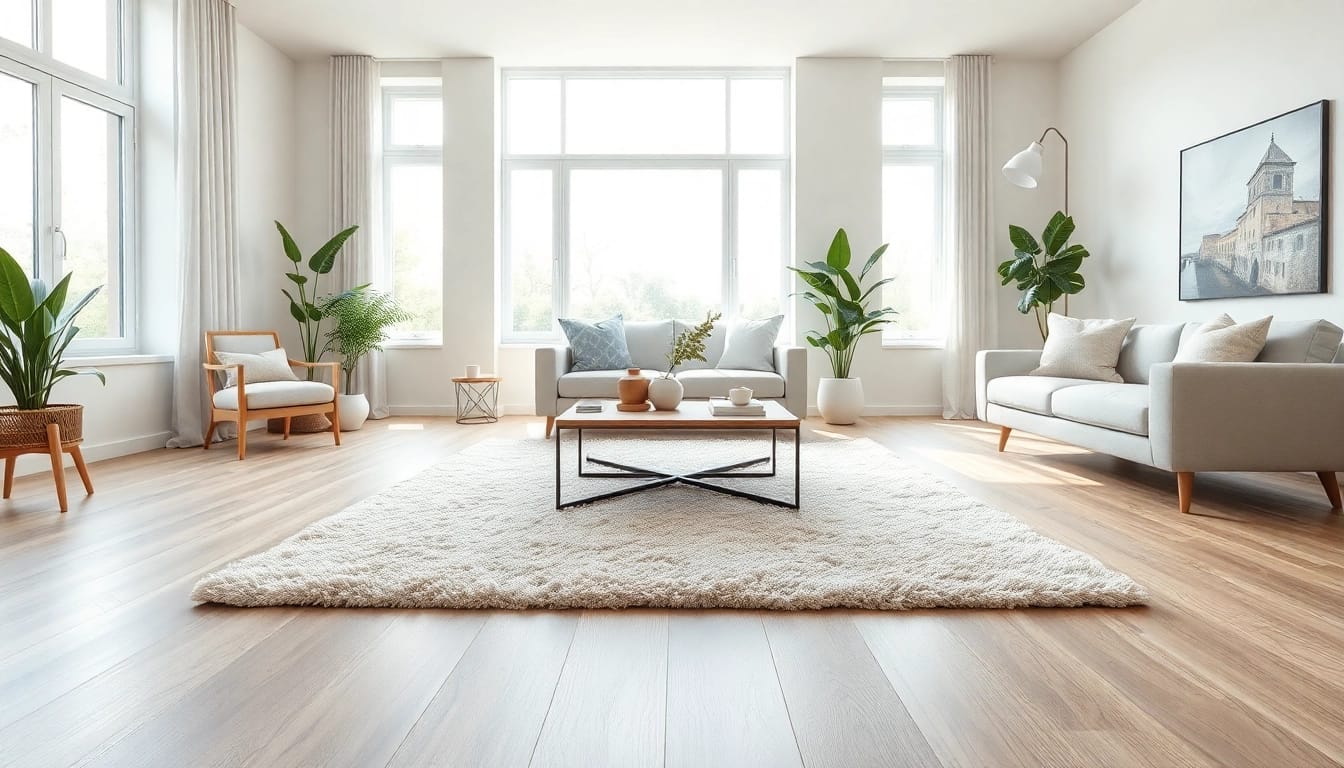
- Plank Vinyl Flooring: Designed to resemble hardwood, plank vinyl is available in long, narrow strips. This option is perfect for those looking to achieve a wood floor aesthetic without the high cost or maintenance requirements.
Factors to Consider When Selecting Vinyl Flooring
Choosing the right type of vinyl flooring involves several considerations:
- Foot Traffic: Assess the expected foot traffic in the area where the flooring will be installed. Higher traffic demands more durable options.
- Aesthetics: Choose a style that complements the existing décor while considering color, pattern, and finish.
- Location: For bathrooms and kitchens, opt for waterproof options, whereas living rooms or bedrooms can allow for a broader range of choices.
Aesthetic Choices: Colors and Patterns for Vinyl Flooring
Vinyl flooring provides virtually limitless possibilities in aesthetics. Here are some popular choices:
- Natural Wood Looks: Vinyl can closely resemble wood grains, offering the warmth of wood without the drawbacks.
- Tile Patterns: For a sophisticated feel, vinyl can mimic intricate tile designs, enhancing visual appeal.
- Bold Colors: Opt for vibrant hues in creative patterns if aiming to make a stylistic statement.
Installation Process: A Step-by-Step Guide
Preparing Your Space for Vinyl Flooring
Preparation is critical for a successful vinyl flooring installation. Here’s a step-by-step guide:
- Clear the Area: Remove furniture, baseboards, and any old flooring materials.
- Clean the Subfloor: Ensure the subfloor is free from dirt, debris, and moisture.
- Inspect for Damage: Check the subfloor for squeaks and uneven areas; repair any damage prior to installation.
DIY Installation vs. Professional Installation
Deciding whether to tackle the installation yourself or hire a professional involves weighing various factors:
- DIY Installation: Cost-effective, offering control over the project timeline. However, it requires some technical skills and appropriate tools.
- Professional Installation: Ensures a high-quality finish and can save time, particularly in larger spaces, but may incur additional costs.
Tools Required for Installing Vinyl Flooring
If you decide on a DIY approach, here are essential tools you'll need:
- Measuring tape
- Utility knife
- Straight edge
- Floor roller
- Adhesive (if necessary)
Maintenance Tips for Longevity of Vinyl Flooring
Cleaning Guidelines for Vinyl Flooring
To maintain the beauty and functionality of vinyl flooring, follow these cleaning guidelines:
- Regularly sweep to prevent dirt accumulation.
- Use a damp mop with mild detergent for deeper cleaning, avoiding harsh chemicals that could degrade the material.
- Prevent discoloration by cleaning spills immediately.
Protecting Your Vinyl Flooring from Wear and Tear
To safeguard your investment, employ these protective measures:
- Use furniture pads under heavy items to prevent scratches.
- Avoid wearing high heels on vinyl, as they can cause impressions.
- Place mats or rugs in heavily trafficked areas.
When to Reseal or Replace Vinyl Flooring
Monitor your flooring's condition to determine when it's necessary to reseal or consider replacement:
- Resealing: Usually needed every 5-10 years, depending on traffic and wear.
- Replacement: Consider a replacement when signs of extensive wear, such as tearing or discoloration, become apparent.
Cost Considerations and Budgeting for Vinyl Flooring
Average Costs of Vinyl Flooring Installation
Cost estimates for installing vinyl flooring vary widely based on material type, installation complexity, and market factors. On average, materials can range from $2 to $5 per square foot, while installation costs might add another $2 to $5 per square foot.
Comparing Vinyl Flooring Costs to Other Materials
When comparing costs, vinyl flooring usually offers significant savings over hardwood or natural stone options, which can reach $10 to $20 per square foot for materials alone. Such affordability makes vinyl an attractive option for budget-conscious homeowners.
Tips for Budget-Friendly Vinyl Flooring Projects
To manage costs effectively:
- Shop during sales or clearance events for materials.
- Consider choosing a simple installation style that requires less prep work.
- Engage in DIY methods wherever possible to save on labor costs.
FAQs about Vinyl Flooring
What is the lifespan of vinyl flooring?
The lifespan of vinyl flooring typically ranges from 10 to 25 years, depending on quality and maintenance practices.
Can vinyl flooring be installed over existing floors?
Yes, vinyl flooring can often be installed over existing floors, provided they are clean, level, and securely attached.
Is vinyl flooring waterproof?
Many vinyl flooring options are designed to be waterproof or water-resistant, making them suitable for moist environments.
How do I repair scratches in vinyl flooring?
Minor scratches can typically be repaired with a vinyl floor repair kit, while deeper ones may require replacement of affected planks or tiles.
Can I use vinyl flooring in my bathroom?
Yes, vinyl flooring is an excellent choice for bathrooms due to its water resistance and ease of maintenance.