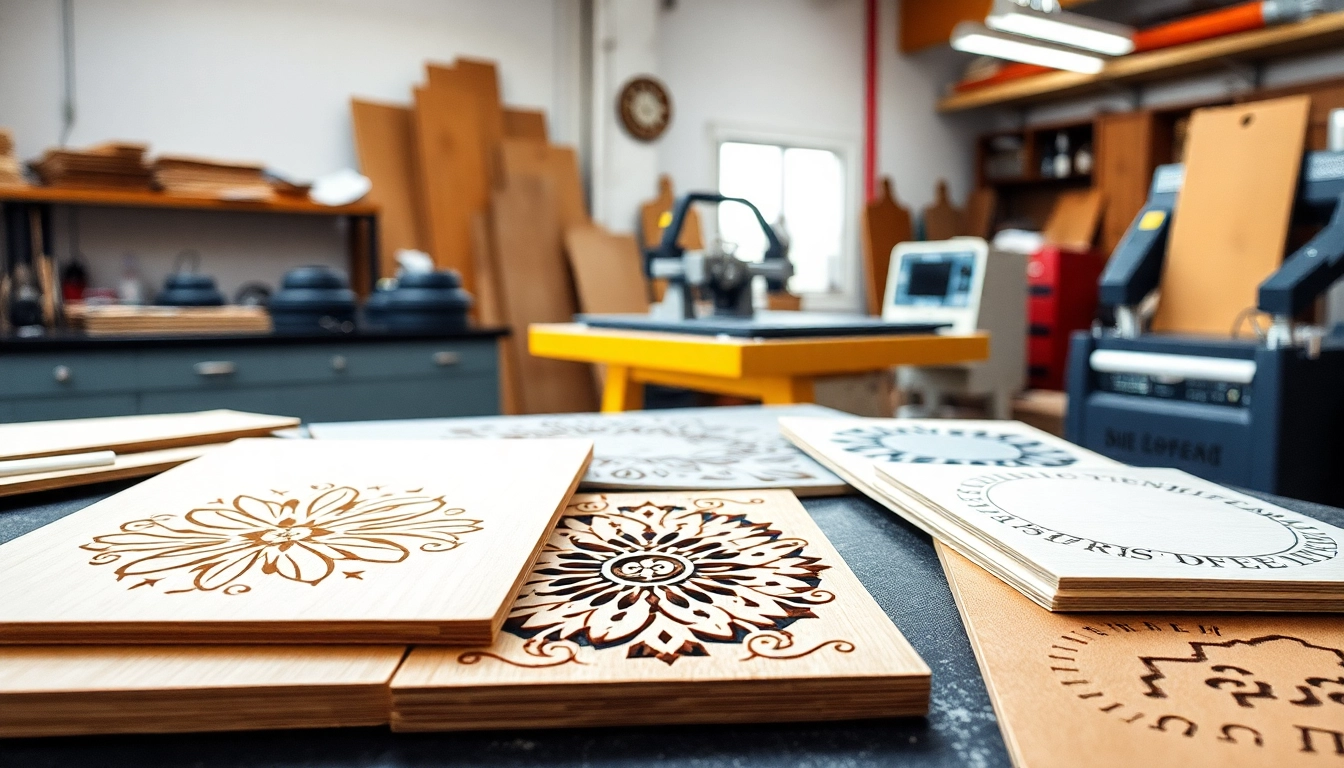
Understanding Laser Cutting Designs
What Are Laser Cutting Designs?
Laser cutting designs refer to specific patterns and templates created for use with laser cutting machines. These designs can be used for a wide array of applications, such as crafting, manufacturing, and prototyping. By utilizing a high-powered laser, these machines can precisely cut through a variety of materials, including wood, acrylic, metal, and fabrics, thereby enabling intricate and detailed designs that are challenging to produce with traditional cutting methods. Laser cutting designs often come in formats like DXF, SVG, and CDR, which can be easily manipulated with design software.
Types of Materials Used
Laser cutting technology is incredibly versatile and can handle a wide range of materials. Common materials include:
- Wood: Ideal for crafting projects, signage, and intricate designs.
- Acrylic: A popular choice for items such as awards, displays, and decorative pieces due to its clarity and color options.
- Leather: Often used for fashion items, accessories, and personalized gifts.
- Metal: Utilized in industrial applications and signage, though more specialized machines are typically required.
Each material presents its own unique characteristics that influence both the design process and the final product. Understanding these properties is crucial for achieving desired outcomes.
Applications in Various Industries
Laser cutting designs have permeated numerous industries, expanding the boundaries of what can be produced efficiently. Key applications include:
- Manufacturing: Precision parts and components for machinery and electronics.
- Interior Design: Custom fixtures, decorative panels, and artwork.
- Fashion: Unique patterns for textiles and leather goods.
- Education: Teaching aids and customizable learning tools.
Each application highlights the flexibility and precision inherent to laser cutting techniques, which can accommodate custom designs tailored to meet specific business needs.
How to Source Quality Laser Cutting Designs
Free Resources for Laser Cutting Designs
There are numerous platforms and websites where creators can find free laser cutting designs. These offer a wealth of templates ranging from simple geometric shapes to complex designs suitable for various projects. Notable sources include:
- Vector Libraries: Platforms like Vecteezy and Freepik provide access to countless vector files compatible with laser cutting.
- Crafters Communities: Websites such as Instructables and forums on Reddit often share user-generated designs, tips, and modifications.
- Specialized Sites: Websites dedicated to designs, such as Atomm and Ponoko, offer a variety of options tailored specifically for laser cutting.
Buying Custom Laser Cutting Templates
While free resources offer a great starting point, purchasing custom laser cutting templates may be beneficial for specialized needs. Many designers and platforms sell unique files that are optimized for various materials and projects. These templates can save time and effort while ensuring high quality. When seeking such services, consider looking into:
- Marketplace Websites: Platforms where independent creators sell their designs.
- Custom Design Services: Professionals who can produce bespoke designs based on client requirements.
Understanding Licensing and Usage Rights
It’s essential to understand the licensing associated with laser cutting designs when sourcing files. Some designs may be free for personal use but require a commercial license for resale or commercial production. Always review the licensing agreements related to your chosen designs to avoid any potential legal issues.
Tools and Techniques for Laser Cutting
Essential Tools for Beginners
For those new to laser cutting, having the right tools is critical. Essential tools include:
- Laser Cutting Machine: Depending on your budget and intended use, there are numerous options available, from hobbyist to industrial machines.
- Design Software: Software such as Adobe Illustrator or CorelDRAW is vital for preparing files for cutting.
- Safety Equipment: Protective eyewear and ventilation systems are necessary when operating laser machines.
Choosing the Right Laser Cutting Machine
Selecting the appropriate laser cutting machine depends on your project requirements, material types, and budget. Consider factors like:
- Power Rating: Higher wattage machines can cut thicker and denser materials.
- Size and Portability: Ensure the machine fits your workspace and is easy to use for your types of projects.
- Customer Support: Choose a brand that provides comprehensive support and resources for troubleshooting.
Best Practices for Laser Cutting Designs
To achieve the best results with your laser cutting endeavors, consider the following best practices:
- Optimize Your Design Files: Avoid overly complex designs to minimize cutting time and ensure accuracy.
- Test Cuts: Run test pieces to gauge settings and material reactions before final production.
- Maintain Your Equipment: Regular maintenance helps prevent downtime and ensures the machine's longevity.
Innovative Ideas for Laser Cutting Projects
Decorative Home Items
Utilizing laser cutting designs can transform simple materials into stunning home decor items such as:
- Wall Art: Create intricate patterns and silhouettes to serve as focal points in any room.
- Furniture Accents: Laser cut designs can enhance furniture pieces with personalized engravings or intricate cutouts.
- Lighting Fixtures: Custom lamp shades can be designed to cast beautiful patterns when illuminated.
Personalized Gifts and Keepsakes
Personalization is a powerful trend, and laser cutting makes it easy to create one-of-a-kind gifts. Consider:
- Customized Jewelry: Engrave meaningful messages or symbols onto jewelry pieces for thoughtful gifts.
- Photo Frames: Add unique designs or names to frames for personalization.
- Memorial Pieces: Craft keepsakes that commemorate special events or loved ones, ensuring they are cherished over time.
Business Applications and Branding
In a professional context, laser cutting can be used to enhance brand identity through promotional items, signage, and corporate gifts. Popular options include:
- Custom Signs: Create eye-catching displays for businesses to attract customers.
- Branded Merchandise: Offering personalized items can help strengthen customer relationships.
- Product Prototypes: Use laser cutting to produce functional prototypes for testing before mass production.
Future Trends in Laser Cutting Designs
Emerging Technologies and Techniques
The field of laser cutting continues to evolve with advancements in technology. Emerging trends include:
- Automation: Integrating robotics with laser cutting machines to streamline production processes and increase efficiency.
- 3D Laser Cutting: Innovations allowing the cutting and engraving of 3D objects, expanding creative possibilities.
- Software Developments: Enhanced design software enabling more intricate and complex designs with ease.
Customization and Personalization Trends
As consumers increasingly demand tailored products, the trend for customization and personalization in laser cutting designs is on the rise. This includes everything from bespoke home accessories to personalized gifts that cater to individual preferences. As a result, businesses are adopting these techniques to differentiate themselves in crowded marketplaces, appealing directly to consumer tastes.
Environmental Considerations in Laser Cutting
Given the growing emphasis on sustainability, the laser cutting industry is also making strides towards eco-friendliness. This includes:
- Material Choices: Utilizing sustainable and recyclable materials to minimize environmental impact.
- Energy Efficiency: Opting for energy-efficient machines and methods to reduce carbon footprints.
- Waste Reduction: Designing cut plans to optimize material use and minimize discarded scraps.
FAQs about Laser Cutting Designs
1. Where can I find free laser cutting designs?
You can find free laser cutting designs on various platforms like Instructables, Atomm, and community forums where users share files.
2. What materials work best for laser cutting?
The best materials for laser cutting include wood, acrylic, leather, and certain metals. Each material has its unique cutting requirements.
3. Can I use any software for designing laser cutting files?
Most vector design software works well for laser cutting files, including Adobe Illustrator, CorelDRAW, and free options like Inkscape.
4. Is it safe to operate a laser cutting machine?
Yes, it's safe with proper precautions such as wearing protective eyewear, using ventilation systems, and following manufacturer guidelines.
5. How do I know if my design is suitable for laser cutting?
To determine suitability, ensure your design uses vector format, limits complexity, and accounts for material thickness and laser machine capabilities.