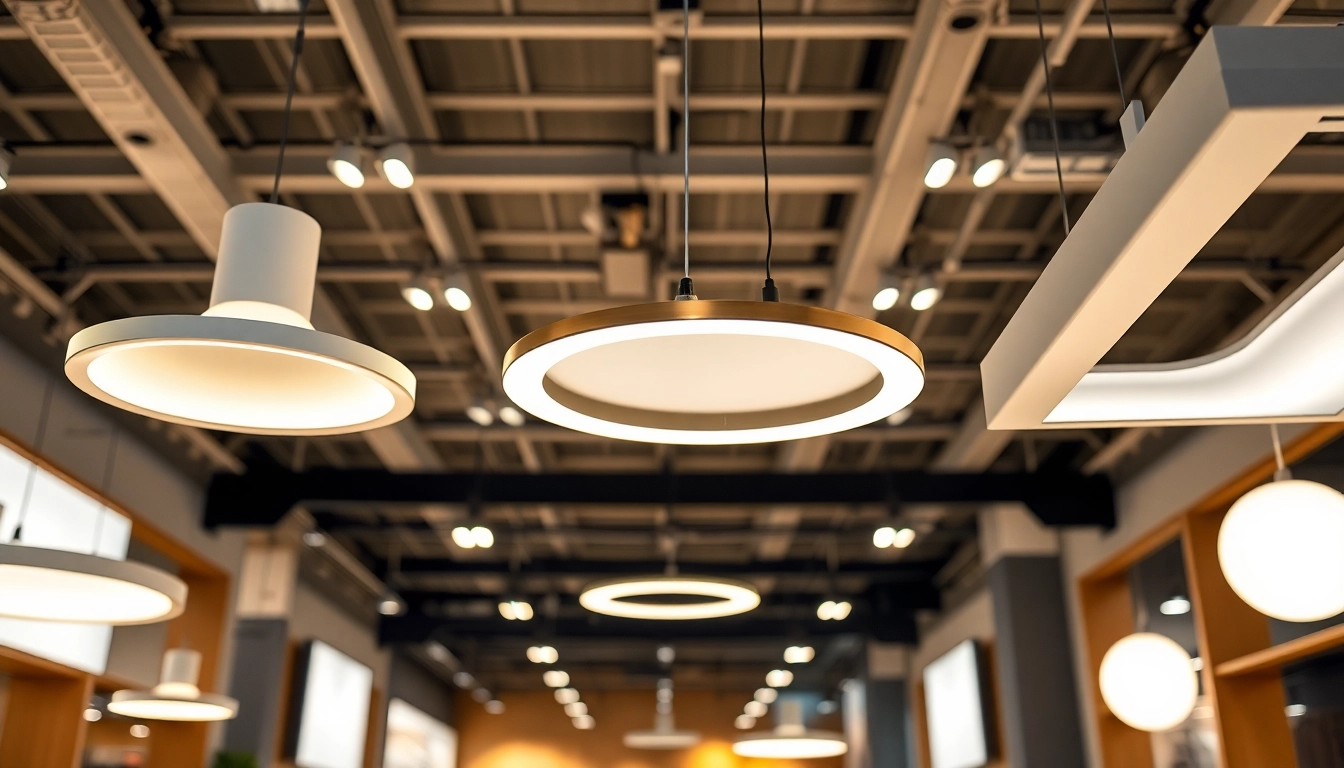
Understanding Lighting Solutions
Effective lighting solutions transform spaces, enhance functionality, and evoke emotions. Understanding the diverse array of lighting options available allows homeowners and office managers alike to make informed decisions tailored to their environment's specific needs. From ambient lighting that fills a room with warmth to task lighting that offers precision for detailed activities, illuminating a space can significantly impact its utility and aesthetic appeal.
Types of Lighting Solutions
Lighting can be classified into three main categories: ambient, task, and accent lighting. Each type serves a distinct purpose and plays a vital role in the overall lighting strategy of an area.
- Ambient Lighting: Often referred to as general lighting, this category provides a uniform level of illumination to a space, enabling safe navigation and basic functionality. Sources include ceiling-mounted fixtures, recessed lighting, and natural daylight.
- Task Lighting: As the name implies, task lighting focuses on specific areas where activities such as reading, cooking, or studying occur. Desk lamps, under-cabinet lighting, and adjustable fixtures are common examples that enhance visibility for tasks.
- Accent Lighting: This type adds drama and visually highlights particular elements within a space such as artwork, architectural features, or plants. Wall sconces, spotlights, and track lighting often serve this purpose, creating focal points that enhance design.
Importance of Proper Lighting
Proper lighting is essential not just for aesthetics but also for functionality and mood. High-quality lighting solutions can improve productivity, reduce eye strain, and even affect mental health. Bright, energetic lighting can foster alertness and focus, while soft, warm lighting can create a soothing environment conducive to relaxation. Understanding how to manipulate light can significantly enhance quality of life.
Assessing Your Lighting Needs
Before diving into the latest trends or styles, it's crucial to assess your specific lighting needs. Evaluate factors such as room size, purpose, and existing illumination. For example, a home office may require focused task lighting accompanied by ambient light to avoid shadows. Conversely, a living room benefits from layers of lighting that allow for both bright and intimate atmospheres. Conducting a thorough assessment will guide you in selecting the right combination of lighting solutions.
Choosing the Right Lighting Solutions
Selecting the perfect lighting solutions requires a multidimensional approach that takes into account various factors to create a cohesive look throughout your space.
Factors to Consider
When evaluating lighting solutions, various factors must be weighed carefully:
- Purpose: Identify how each room will be used. Are you creating a workspace, cozy reading nook, or an entertaining area? The function shapes your choice of lighting.
- Size: Larger spaces may need more powerful fixtures or multiple sources to ensure even coverage, while smaller rooms may fare well with fewer, strategically placed lights.
- Style: Fixtures should complement the overall aesthetic of your home or office. Whether modern, traditional, or eclectic, your lighting should resonate with your décor.
- Color Temperature: Ranging from cool to warm, the color temperature of light can impact the mood in a room. Warmer tones lend comfort, while cooler tones promote energy and focus.
- Energy Efficiency: Opting for energy-efficient options, such as LED bulbs, not only saves money on electricity bills but also reduces environmental footprints.
Styles and Trends in Lighting
Today's lighting solutions reflect current design trends and styles, allowing for personalization and creativity in spaces. Some key trends include:
- Minimalism: Simple, sleek lines define contemporary lighting fixtures that blend seamlessly with modern aesthetics.
- Smart Technology: The rise of smart lighting allows users to control brightness, color, and schedules through apps, integrating technology into daily life.
- Industrial Style: Fixtures that feature metallic finishes and exposed bulbs evoke an urban, industrial look that many find appealing.
- Nature-Inspired: Designs that draw influence from natural forms and materials create an organic feel, bringing the outside in.
Cost vs. Quality
When choosing lighting solutions, the age-old debate of cost versus quality emerges. While opting for cheaper fixtures may seem appealing initially, they often fall short in durability, energy efficiency, and aesthetic appeal over time. Investing in quality fixtures may have a higher upfront cost but pays off in longevity and performance. Consider potential savings through energy-efficient options and the value added to your space by high-quality lighting solutions.
Implementing Lighting Solutions
Once you've chosen your lighting solutions, the next step is implementation, which includes selecting fixtures, installation, and optimal positioning.
Selecting the Best Fixtures
The right fixtures will complement your design while providing the needed functionality. Consider applications like:
- Chandeliers: Ideal for dining rooms or entryways, providing an elegant touch while serving as a focal point.
- Wall Washers: For highlighting textures or art pieces on walls, creating flowing illumination across surfaces.
- Task Lighting Fixtures: Specifically designed for desks or kitchen islands, they come in various styles to align with your overall design.
Installation Tips and Techniques
Installing lighting fixtures can range from straightforward to complex, depending on the chosen solution. Here are some tips to ensure a successful installation:
- Read Instructions: Always read the manufacturer's instructions to avoid common pitfalls during the installation process.
- Plan Layout: Mark positions for fixtures ahead of time to visualize how light will spread across your space.
- Check Voltage: Ensure that the electrical specifications of your fixtures match the output of your home’s wiring.
Positioning for Maximum Effect
The placement of lighting fixtures can dramatically impact the quality of light within a space. Employ these strategies:
- Layered Lighting: Use a combination of ambient, task, and accent lighting to create depth and flexibility.
- Height Consideration: Hang fixtures at heights that optimize illumination and aesthetic appeal. For example, chandeliers should be hung high enough in dining areas to allow for visual clearance.
- Avoid Shadows: Position fixtures to minimize shadows in work areas. Employ multiple light sources where possible.
Maintaining Your Lighting Solutions
To ensure longevity and performance, regular maintenance of your lighting solutions is essential. Here are some key practices.
Cleaning and Care Guidelines
Regular cleaning of fixtures helps maintain their brightness and performance. Consider the following:
- Frequency: Light fixtures should be dusted routinely and thoroughly cleaned every few months, depending on usage.
- Appropriate Cleaners: Use soft, non-abrasive cloths and suitable cleaning agents to avoid scratching surfaces.
- Light Bulb Care: Handle bulbs gently and ensure they are compatible with fixtures. Frequently check and replace any burnt-out bulbs promptly.
Upgrading and Replacing Fixtures
Over time, you may want to refresh your lighting solutions. Consider these aspects when upgrading or replacing:
- Assessing Condition: Regularly check for signs of wear, such as flickering lights or discolored bulbs, which may indicate it’s time to replace.
- Style Updates: Trends evolve; don’t hesitate to swap out fixtures to stay current with contemporary design.
- Compatibility: Ensure any new fixtures are compatible with existing electrical systems, and involve a professional for complicated replacements.
Energy Efficiency Practices
Implementing energy-efficient lighting practices not only lowers costs but also reduces environmental impact. Follow these guidelines:
- Use LED Bulbs: They are significantly more energy-efficient than traditional incandescent or halogen bulbs.
- Install Dimmers: Dimming systems allow users to adjust brightness according to need, saving energy when full brightness is unnecessary.
- Utilize Natural Light: Maximize daytime lighting by strategically placing mirrors and selecting light-colored furnishings to reflect daylight.
FAQs about Lighting Solutions
What are the different types of lighting solutions?
Common types include ambient, task, and accent lighting, each serving different purposes in a space.
How do I choose the right lighting solution for my room?
Consider factors like room size, function, and desired atmosphere to select suitable lighting solutions.
What maintenance is required for lighting solutions?
Regular cleaning and inspections help ensure your lighting solutions function efficiently and effectively.
Are energy-efficient lighting solutions worth the investment?
Yes, they reduce electricity bills over time and positively impact the environment.
Can I install lighting solutions myself?
Many fixtures allow for DIY installation, but complex systems are best handled by professionals.