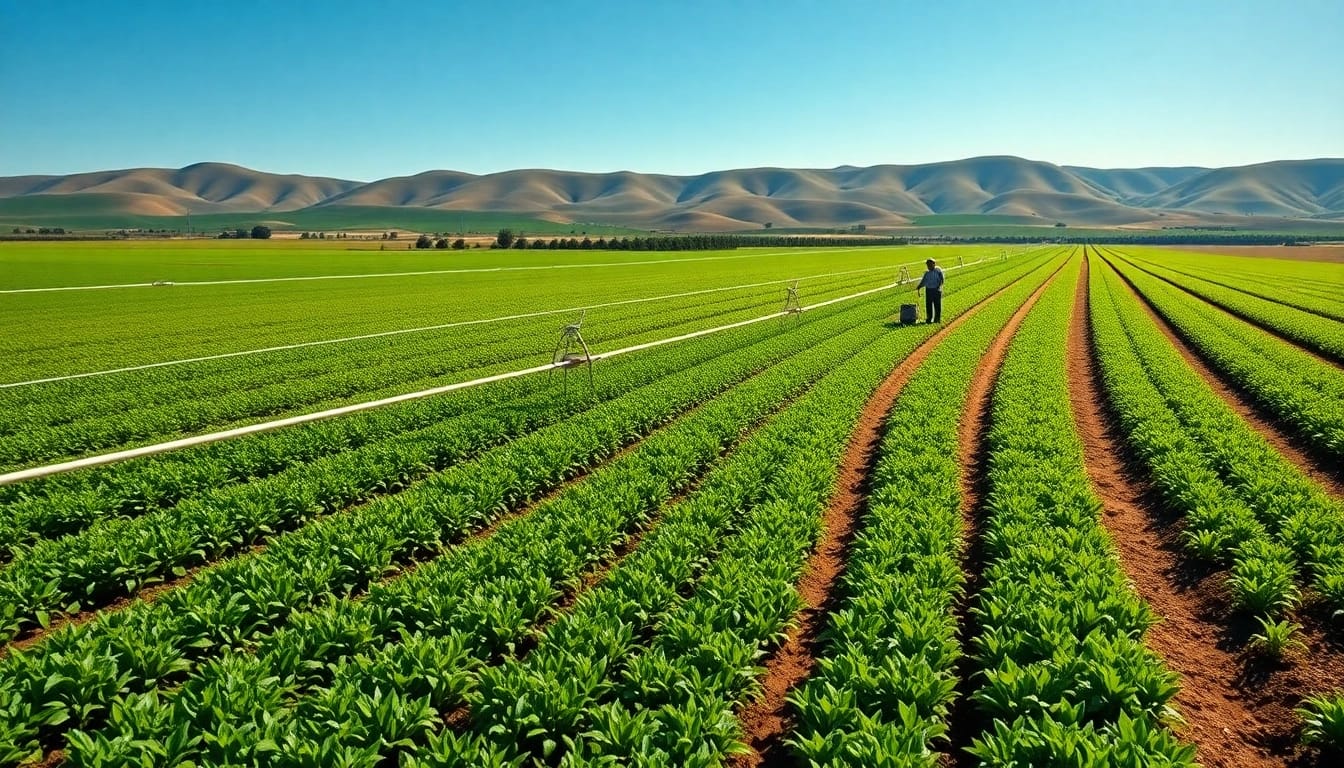
Understanding Land Irrigation Basics
Land irrigation refers to the artificial application of water to soil for the purpose of assisting in the growth of crops. It is a critical component of agricultural practices, especially in areas where rainfall is insufficient. As global demand for food rises, sustainable and efficient land irrigation practices are becoming increasingly essential for food security and environmental conservation.
What is Land Irrigation?
At its core, land irrigation is the process of supplying water to crops through various methods, which help to enhance soil moisture content. This can be achieved through surface, subsurface, drip, and sprinkler systems. Each method has distinct advantages and is suited to different types of crops and soil conditions. Understanding these methods is crucial for any farmer looking to optimize their agricultural output.
Importance of Land Irrigation in Agriculture
Land irrigation plays a vital role in boosting crop yield and ensuring consistent production. In many regions, rainfall alone is not sufficient to meet the water needs of plants. Proper irrigation systems prevent crop failures during dry periods and allow for the cultivation of crops that would otherwise be unsustainable in certain climates. Moreover, efficient irrigation systems conserve water and minimize waste, contributing to sustainability in agricultural practices.
Types of Land Irrigation Methods
There are various land irrigation methods, each designed to suit specific agricultural requirements:
- Surface Irrigation: Water flows over the soil surface to reach plants. It is suitable for flat terrains and can be labor-intensive.
- Drip Irrigation: Water is delivered directly to the plant's roots through a network of valves, pipes, and emitters. This minimizes evaporation and runoff.
- Sprinkler Irrigation: Water is sprayed over crops in a manner similar to natural rainfall. This is ideal for various terrains and can be automated.
- Subsurface Irrigation: Involves burying pipes beneath the soil surface to deliver water directly to the root zone, reducing evaporation and runoff.
Key Components of Land Irrigation Systems
Pipes, Pumps, and Water Sources
The effectiveness of any land irrigation system is contingent upon key components such as pipes, pumps, and reliable water sources. Pipes transport water efficiently from the source to the fields. Pumps are critical for drawing water from sources like rivers, lakes, or underground aquifers. Identifying a sustainable water source is vital for an operational irrigation system.
Soil Types and Their Impact on Irrigation
Soil type significantly influences irrigation practices. Sandy soils drain quickly but require more frequent watering, while clay soils retain water longer, requiring less frequent irrigation. Understanding soil properties helps farmers customize their irrigation schedules to match plant needs, prevent overwatering, and minimize runoff.
Infrastructure Considerations
Establishing a land irrigation system involves careful planning and infrastructure considerations. This includes setting up water storage facilities, ensuring adequate drainage, and incorporating technology for system monitoring and control. Each of these elements contributes to the overall efficiency and resilience of the irrigation setup.
Best Practices for Implementing Land Irrigation
Planning Your Land Irrigation System
Effective planning is paramount for a successful land irrigation system. Farmers should conduct thorough land assessments, consider crop types, and evaluate local climatic conditions. A well-designed plan considers the layout of the irrigation system, the timing of water application, and the specific requirements of the crops being grown.
Monitoring Moisture Levels Effectively
Using soil moisture sensors can provide real-time data on soil conditions, guiding irrigation decisions and preventing overwatering. Implementing a system of regular checks enables farmers to maintain optimal moisture levels, improving crop health and conserving water resources.
Common Mistakes to Avoid
Some common mistakes in land irrigation include over-irrigation, neglecting to modify systems according to seasonal changes, and failing to monitor soil moisture effectively. These errors can lead to water wastage, reduced crop performance, and increased operational costs. Education and adherence to best practices can help mitigate these issues.
Innovations in Land Irrigation Technology
Smart Irrigation Solutions
Advancements in technology have ushered in smart irrigation solutions, such as automated systems that utilize data analytics and mobile apps to optimize water usage. These technologies not only improve efficiency but also empower farmers to make data-driven decisions about crop management.
Climate-Resilient Irrigation Practices
As climate change impacts agriculture worldwide, implementing climate-resilient irrigation methods is crucial. Techniques like rainwater harvesting and the use of drought-resistant crops serve to enhance resilience against changing weather patterns, ensuring sustainable agricultural practices.
Government Policies and Environmental Impact
Government policies play a crucial role in promoting sustainable land irrigation practices. Incentives for adopting efficient technologies, regulations on water usage, and support for research into sustainable methods can significantly impact the agricultural landscape. Furthermore, policies that consider environmental impacts can drive more responsible water management practices in irrigation.
Measuring Success in Land Irrigation
Evaluating Irrigation System Performance
Measuring the success of an irrigation system involves assessing its performance over time. Key metrics include water utilization efficiency, crop output per unit of water used, and maintenance costs. Regular evaluations help track improvements and adapt strategies for better results.
Crop Yield Metrics Related to Irrigation
Crop yield metrics directly correlate with irrigation effectiveness. Farmers should monitor yield per acre and water usage to determine the efficiency of their irrigation systems. Analyzing these metrics provides insights into whether the current practices align with crop demands and water availability.
Long-term Sustainability Goals
Establishing long-term sustainability goals for land irrigation is essential for future agricultural success. These goals should focus on conserving water resources, maintaining soil health, and ensuring that irrigation practices support overall ecosystem balance. Committing to continuous improvement in these areas contributes to more sustainable agricultural practices.
FAQs about Land Irrigation
1. What are the main types of land irrigation?
The main types of land irrigation are surface, drip, sprinkler, and subsurface irrigation, each suited to different crops and conditions.
2. How does soil type influence irrigation needs?
Soil type affects water retention and drainage; sandy soils require more frequent irrigation, whereas clay soils need less frequent watering.
3. What technology can improve irrigation efficiency?
Smart irrigation technologies, including moisture sensors and automated systems, can significantly enhance water use efficiency and crop management.
4. How can I prevent over-irrigation?
Regular soil moisture monitoring, using sensors, and adhering to a careful irrigation schedule can help prevent over-irrigation and wastage.
5. What impact do government policies have on irrigation?
Government policies can promote sustainable practices through regulations, incentives for technology adoption, and support for research in efficient irrigation methods.