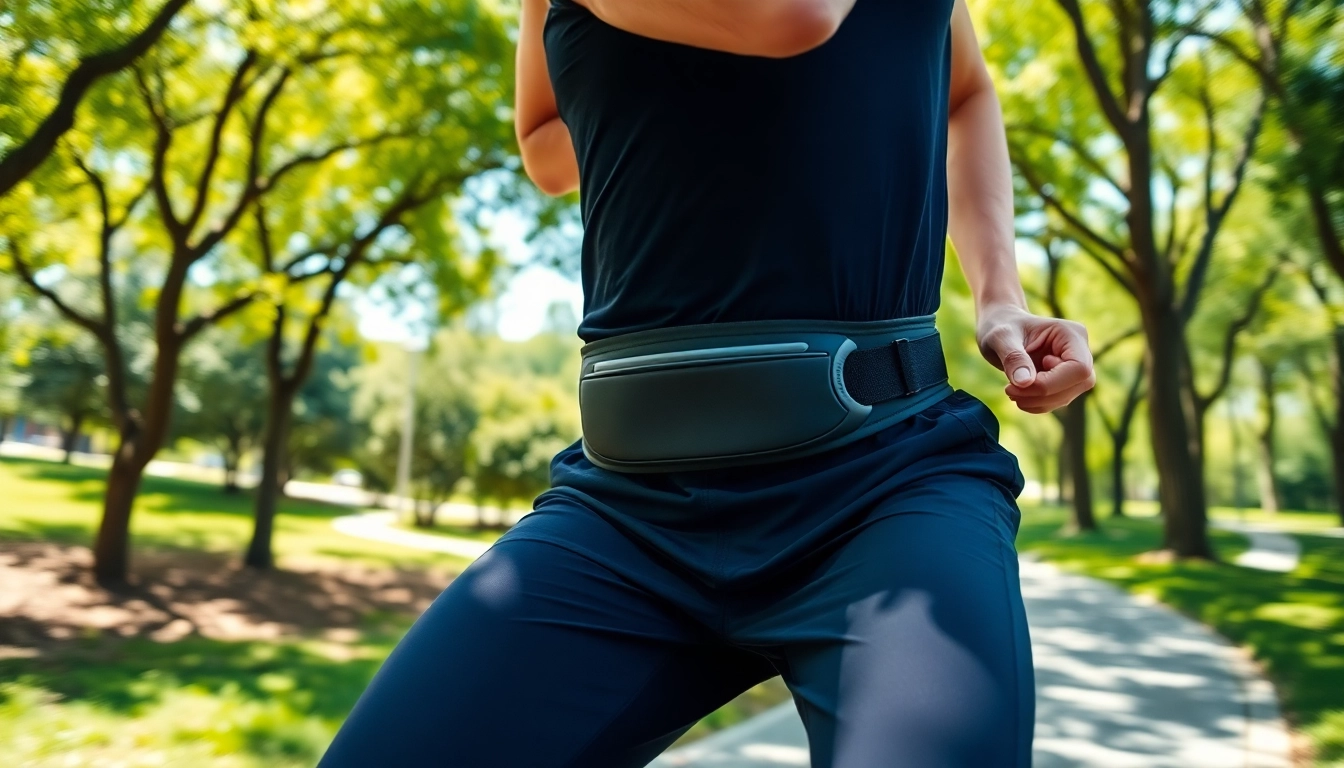
Understanding the Benefits of a Running Belt
What is a Running Belt?
A running belt is a wearable accessory designed to securely hold personal items such as smartphones, keys, and nutrition while on the move. Crafted from lightweight, stretchable materials, these belts typically feature small pockets or compartments that allow you to carry essential items without disrupting your running rhythm. Their design prioritizes comfort and minimalism, making them ideal for both casual joggers and professional athletes looking for convenience and functionality.
Why You Need a Running Belt
Using a running belt enhances your running experience by providing a solution for carrying your essentials without the bulk of traditional bags. It allows for hands-free movement, reducing any encumbrances. Furthermore, many styles are designed to minimize bouncing or shifting during your run, helping maintain focus on your performance. From hydration packs to spots for energy gels, a running belt supports continuous movement and endurance, which are critical for achieving your fitness goals.
Key Features to Look For in a Running Belt
- Adjustability: A good running belt should be adjustable for a snug fit, preventing slippage during activities.
- Pockets: Multiple pockets can help organize items and make access during runs easier.
- Material: Look for moisture-wicking and breathable materials for maximum comfort.
- Reflectivity: For night runners, reflective elements enhance visibility and safety.
- Weight: The lighter the belt, the less distraction it will cause during runs.
Choosing the Right Running Belt for Your Needs
Types of Running Belts Available
When selecting a running belt, it’s essential to consider the various types available to suit your specific needs:
- Standard Running Belts: Typically feature one or two pockets and are designed for minimal bulk.
- Fuel Belts: Designed specifically for carrying water bottles or energy gels, excellent for longer runs.
- Hybrid Belts: Combine features from both standard and fuel belts, providing versatility for multiple uses.
- Weight-Lifting Belts: Some even double as gym gear, allowing for dual functionality.
- Phone-Centric Belts: Built to securely carry smartphones, with added pocketing for cash or cards.
How to Measure for a Perfect Fit
To choose the right size for your running belt, measure around the waist where you intend to wear it. Most brands provide sizing charts based on these measurements. Adjustability is crucial; thus, the belt should be tight enough to stay in place yet loose enough to be comfortable during movement. Trying the belt on while mimicking running motions can help ensure you find the right fit.
Running Belt Materials and Durability
Most running belts utilize a combination of elastic fabric blends to ensure flexibility and durability. While synthetic materials like polyester are common due to their strength and moisture-wicking properties, mesh fabrics can provide breathability. It’s also wise to check for water-resistant features, especially if you’ll be using the belt in potentially wet conditions.
How to Use a Running Belt Effectively
Preparing Your Running Belt for a Workout
Before you hit the pavement, ensure that your running belt is fully equipped. Load it with your essentials—phone, small cash, ID, hydration, or nutrition; ensure they are positioned so that their weight is evenly distributed. This will not only enhance comfort but also prevent shifting or bouncing during your run. Familiarizing yourself with the pockets and their accessibility can help streamline your pre-run routine.
What to Pack in Your Running Belt
Consider your run length and personal needs when packing. Essential items may include:
- Phone: For navigation, safety, and music.
- Keys: Keep them secure in a zipper pocket.
- Cash or Cards: Useful for emergencies or refreshments.
- Energy Gels or Snacks: Crucial for longer distances to maintain energy levels.
- Hydration: Small bottles for runs longer than an hour.
Adjusting the Running Belt for Comfort
Ensure your running belt is snugly adjusted to your waist, with no extra fabric or bagging that might cause irritation. Most modern belts have adjustable straps or hooks that allow for customization to individual body shapes—tightening it should happen in small increments until comfort is reached without compromising mobility.
Common Challenges with Running Belts and Solutions
Dealing with Slippage
Slippage during a run is frustrating. Ensure you choose a belt designed with adequate compression or find one with silicone grips to maintain positioning. Adjustable features can also help, allowing you to tighten the belt further if it shifts. Testing various locations on your waist may also yield a more stable position.
Managing Storage Space
Space can be limited in smaller running belts. Prioritize items based on your run’s length. For short workouts, only carry essentials like your phone and keys. For longer runs, consider using additional pouches that can be clipped to the belt or look for bags organized in more compartments.
Maintaining Your Running Belt
For longevity, always check care labels before washing your running belt. Most can be hand-washed with mild detergent and hung to dry. Never store your belt if it’s damp or wet; stay mindful of potential wear and tear, and always inspect for damages before your runs.
Frequently Asked Questions About Running Belts
What do I store in a running belt?
You can store essentials like your phone, keys, cash, energy gels, and compact snacks. Choose items based on your run’s duration.
Can I wash my running belt?
Most running belts can be hand-washed in cold water. Always check care instructions to ensure longevity.
Are running belts suitable for all body types?
Yes, running belts are designed to accommodate a variety of body shapes. Many come with adjustable straps for a snug fit.
What is the difference between a running belt and a fanny pack?
A running belt is typically more compact and designed for minimal bounce, while fanny packs may offer more storage but can be bulkier.
How do I prevent my running belt from bouncing?
Ensure your running belt is snug, use ones with non-slip materials, and distribute weight evenly across pockets to minimize bouncing.