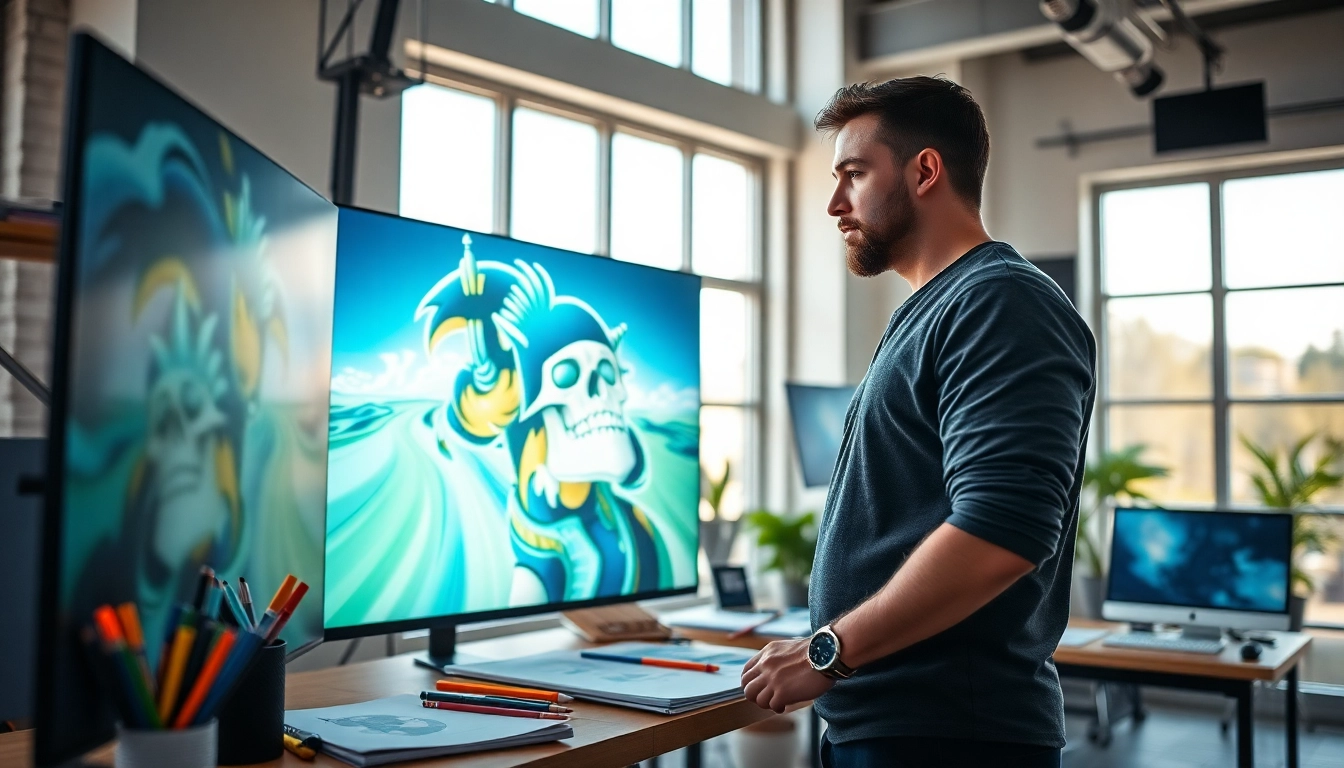
Understanding Image to Image Transformation
What is Image to Image Transformation?
Image to image transformation refers to a process in which an input image is transformed into a different output image through various computational techniques. This could involve changing the style of an image, enhancing its features, or generating an entirely new version of it while retaining certain aspects of the original. The versatility of this technology makes it applicable across numerous fields, such as art, marketing, and machine learning. For professionals looking to explore the possibilities of image to image transformation, understanding the fundamentals is crucial.
How it Works: The Process Explained
The image to image transformation process typically involves several stages, heavily relying on algorithms and machine learning techniques. At its core, it often employs techniques from deep learning, particularly Convolutional Neural Networks (CNNs). Here’s a brief overview of the typical workflow:
- Input Collection: The process begins with the selection of source images that will serve as inputs for transformation.
- Preprocessing: Images undergo preprocessing, which may include resizing, normalization, and augmentation to enhance the dataset.
- Model Training: A model, often a neural network, is trained using the input images. During this phase, the system learns to identify and replicate the features found in these images.
- Transformation: Once trained, the model can generate new images by applying learned transformations on unseen input images.
- Post-processing: The generated images may be refined further using techniques like denoising or enhancement to achieve higher quality outputs.
Applications of Image to Image Techniques
Image to image transformation has found a plethora of applications across varied domains:
- Art and Design: Artists utilize image transformations to generate new compositions or apply artistic styles to photographs.
- Advertising: Marketing teams enhance product visuals or create compelling ads through transformed imagery.
- Medical Imaging: In healthcare, transformation techniques help visualize scans and promote better diagnostics.
- Gaming and Animation: Game developers leverage these techniques for texture generation and character design.
- Augmented Reality: Image transformations allow developers to overlay digital content into real-world settings seamlessly.
The Technology Behind Image to Image
Key Algorithms Driving Image Transformations
The magic behind image transformation lies in the algorithms employed. The most notable among these are:
- Generative Adversarial Networks (GANs): GANs consist of two competing networks, the generator and the discriminator, working together to produce realistic images.
- Pix2Pix: A type of GAN specifically tailored for paired image-to-image translation tasks, which can create semantic maps from sketches, etc.
- CycleGAN: Enables unpaired image-to-image translation, where images from different domains can be transformed without needing paired examples.
- Style Transfer Models: These models allow the textural style of one image to be applied to another, typically using CNNs.
Tools and Software for Effective Image to Image
Several tools and platforms have emerged, making image to image transformation accessible for more users than ever:
- TensorFlow: An open-source library widely used for building and training machine learning models, including for image processing.
- Pytorch: Renowned for its flexibility and ease of use, it’s a favored choice for researchers and developers in the deep learning community.
- DeepAI: An accessible online platform that allows users to utilize pre-trained models for image transformations without extensive coding knowledge.
- Runway ML: A creative toolkit for artists and designers that provides simplified access to AI models for image generation and transformation.
Comparing Image to Image with Other Transformation Methods
While image to image transformation is powerful, it is essential to understand how it compares with other techniques:
| Technique | Description | Use Cases |
|---|---|---|
| Image Enhancement | Focuses on improving the quality of an existing image. | Photography, Medical Imaging |
| Image Restoration | Aims to recover a degraded image to its original condition. | Historical Photo Restoration |
| Image Segmentation | Divides an image into its constituent parts for analysis. | Object Detection, Medical Imaging |
Best Practices for Successful Image to Image Projects
Focusing on Quality Input Images
The quality of output images directly correlates to the quality of the input images. High-resolution inputs lead to better transformations, making it essential to select clear, well-lit, and representative examples. When gathering input materials, ensure diversity in images to allow the model to learn a broader spectrum of features.
Common Pitfalls and How to Avoid Them
Several challenges can arise during the image to image transformation process:
- Insufficient Data: Lack of diverse training samples can lead to overfitting. Balancing your dataset is vital.
- Over-complicating the Model: It’s tempting to use complex architectures, but simpler models frequently provide satisfactory results.
- Neglecting Post-Processing: Post-processing is crucial to refine outputs. Techniques like contrast adjustment can significantly enhance results.
Refining Your Results: Iteration Techniques
Successful image to image transformation often requires multiple iterations. Use feedback loops where outputs are evaluated and adjustments are made to the model. Consider conducting A/B testing with various versions of your inputs and models to determine the most effective combination.
Real-World Examples of Image to Image Applications
Art and Design: Inspiring Creators
Artists today leverage image to image transformation to create captivating works that blend traditional styles with modern techniques. For instance, an artist can use a machine learning model to overlay the texture of Van Gogh’s paintings onto a modern photograph, creating an entirely new artistic experience.
Marketing and Branding Visuals
Marketing campaigns profoundly benefit from image to image techniques, where product photos can be altered to fit different themes, seasons, or branding strategies. Transforming images can help create cohesive marketing materials that resonate with target audiences.
Education and Training Developments
In educational settings, image transformation techniques enhance e-learning experiences. For example, interactive educational software can utilize these transformations to visualize complex concepts, aiding in user comprehension and engagement.
Future Trends in Image to Image Transformation
Predicted Developments in Technology
As technology evolves, image to image transformation is likely to see advancements in user accessibility, where even those without extensive technical knowledge can tap into its capabilities. There is a push for real-time transformations and improvements in processing speeds, allowing for quicker results.
Potential Industry Impacts
The impact of image to image technology will permeate various industries, radically changing how brands market products and how content is produced. Industries such as gaming, film, and advertising will continue to evolve as this technology dives deeper into creating highly personalized and engaging content.
Ethical Considerations for Image Transformation
With great power comes responsibility. As the capabilities of image to image transformations expand, ethical questions surrounding the misuse of these technologies arise. Issues of copyright, misrepresentation, and consent are essential considerations that stakeholders must address to ensure responsible usage.
Frequently Asked Questions
What is image to image transformation?
Image to image transformation is a process that converts an input image into a different output image through machine learning techniques, altering styles or features while retaining specific aspects of the original.
What applications utilize image to image transformation?
This technology is utilized in art creation, marketing design, medical imaging, augmented reality, and more, providing versatile solutions across various fields.
What are the benefits of using high-quality input images?
High-quality input images enhance the output quality, allowing sophisticated models to capture intricate details and improve overall transformations significantly.
Can I use image to image transformation for real-time applications?
Yes, advancements in technology are enabling real-time transformations, making this process more efficient and user-friendly for various applications.
What ethical considerations arise with image transformations?
Ethical issues include concerns around misrepresentation, copyright infringement, and the necessity of user consent within transformed imagery. Responsible use and transparency are essential.