Introduction to Restoring Vintage Leather Jackets and Gear
Restoring vintage leather jackets and gear is not merely about reversing the clock; it’s about reviving a piece of history while ensuring its continuity into the future. Whether you inherited an old leather jacket from a family member or found a stunning piece at a thrift store, the allure of vintage leather often brings with it the challenge of maintaining its original integrity. From cleaning to conditioning, the process is straightforward yet nuanced, allowing for both DIY enthusiasts and professional restorers to engage in the art of preservation. Understanding the nuances of Restoring vintage leather jackets and gear is essential, as these garments often carry stories that deserve to be told through their care and maintenance.
Understanding Leather Types and Characteristics
Not all leather is created equal, and knowing the type of leather you are working with is crucial in determining the right restoration methods. Generally, leather can be categorized into several types:
- Full-Grain Leather: This is the highest quality leather made from the top layer, showcasing natural imperfections. It develops a rich patina over time, making it a favorite for vintage jackets.
- Top-Grain Leather: Slightly corrected for imperfections, this type is more uniform but lacks the same depth of character found in full-grain.
- Bicast Leather: Made by applying a layer of polyurethane over split leather, this is less expensive and often used for fashion jackets.
- Split Leather: Typically used for linings and less expensive garments, it does not age as beautifully as full or top-grain leather.
Each leather type responds differently to treatment, so identifying the material is essential for effective restoration.
Common Issues with Vintage Leather Gear
Vintage leather jackets can exhibit a range of issues due to age and wear, including:
- Cracking: As leather dries and loses its natural oils, it can develop cracks that not only affect aesthetics but also the durability of the item.
- Stains: Stains from grease, oil, or mold can mar the appearance of leather, requiring specialized cleaning methods.
- Scuffs and Scratches: Surface irregularities can occur from regular wear, detracting from the jacket’s original beauty.
- Fading: Over time, exposure to sun and general wear can cause color to fade unevenly.
Addressing these issues promptly can significantly extend the lifespan of vintage leather gear.
Importance of Professional Restoration Techniques
While DIY restoration can be rewarding, some situations call for professional intervention. Professionals have access to specialized techniques and products that can restore leather to its former glory without compromising its integrity. Advanced cleaning products, professional-grade conditioners, and expert knowledge can mean the difference between a successful restoration and causing further damage. Understanding when to seek help is vital for preserving valuable or sentimental pieces.
Essential Tools and Materials for Restoration
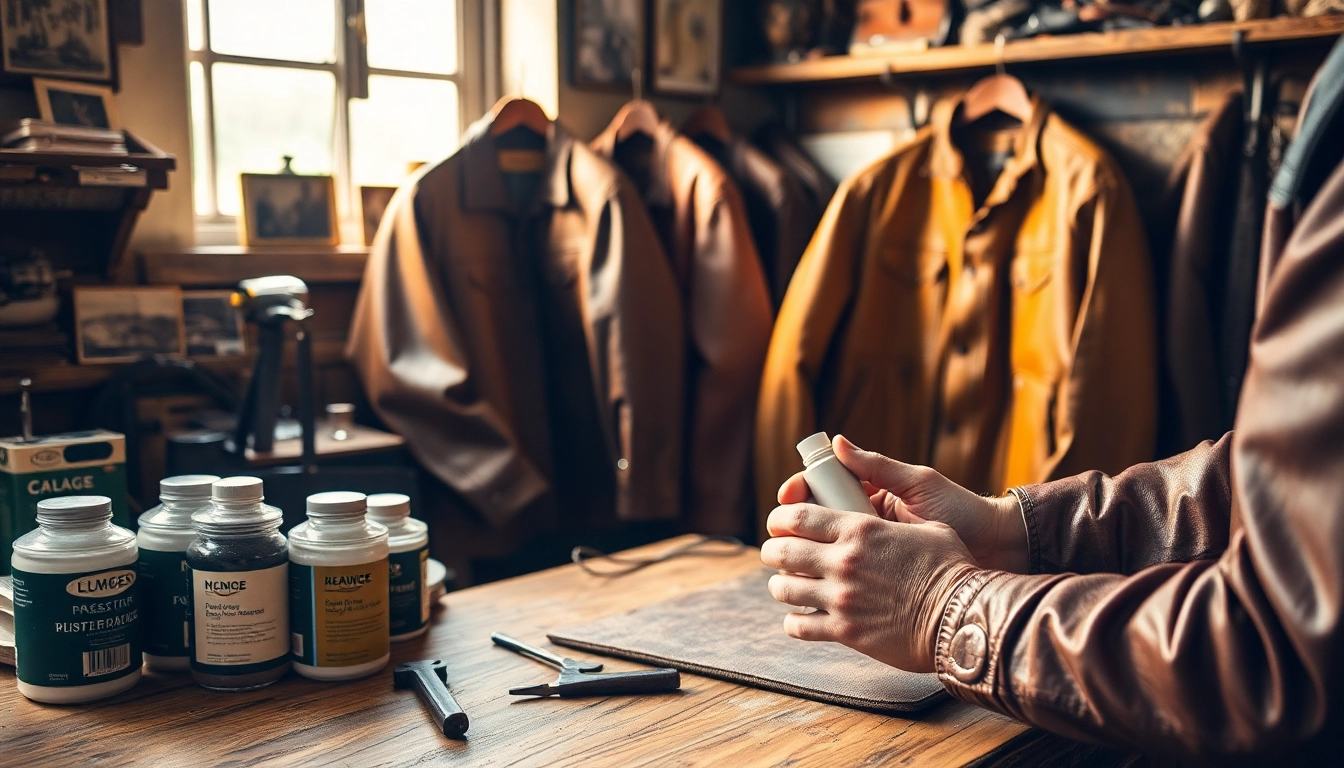
An effective restoration process requires the right tools and materials tailored for leather care. Gathering these items beforehand can make the restoration smoother and more effective.
Recommended Cleaning Products
Cleaning leather requires gentleness and a touch of expertise. Here are some recommended cleaning products:
- Leather Cleaners: Look for pH-balanced products specifically designed for leather. Avoid products with harsh chemicals that may strip the leather of its oils.
- Glycerin Soap: This gentle cleanser is great for light cleaning and can be used on various leather types without causing harm.
- Microfiber Cloths: A necessity for applying cleaners and conditioners without leaving scratches or lint behind.
Conditioning and Protection Supplies
After cleaning, conditioning rehydrates leather, preventing it from cracking. Consider these products:
- Mink Oil: Known for its moisturizing properties, mink oil penetrates deep into the leather fibers, softening and enhancing durability.
- Leather Conditioners: These products often include waxes and oils, providing a protective layer while restoring shine.
- Waterproofing Sprays: For added protection against moisture and staining, applying a waterproofing spray can help extend the life of your leather gear.
Repairing Damages: Tape, Patch, and Stitching Tools
When it comes to repairing damages, a well-equipped toolkit is essential. Include these items:
- Leather Patches: Great for covering holes or large scratches, patches can be sewn or glued onto the affected area.
- Leather Adhesive: A powerful adhesive designed for leather can fix tears and revive the structural integrity of the gear.
- Stitching Tools: A needle and durable thread specifically for leather can be used for more extensive repairs.
Step-by-Step Guide to Restoring Vintage Leather Jackets
Restoring a vintage leather jacket involves a systematic approach to ensure the best results. Follow this step-by-step guide.
Initial Cleaning Process
Start by carefully cleaning the leather. Use a soft cloth or brush to remove surface dust. Apply your chosen leather cleanser using a microfiber cloth, gently working in circular motions. After cleaning, allow the jacket to air dry completely away from direct sunlight.
Conditioning Techniques for Optimal Longevity
Once dry, it’s time to condition. Choose a high-quality leather conditioner or mink oil. Apply a small amount using a clean cloth, working it into the leather with gentle pressure. It’s essential to cover the entire surface evenly, including seams and folds. For best results, allow the conditioner to absorb overnight.
Repairing Small Tears and Scratches
To fix minor tears or scratches, start by cleaning the area around the damage. Apply leather adhesive for small tears, holding the edges together until set. For deeper scratches, consider using a color-matched leather paint for touch-ups. Let it dry fully before applying conditioner.
Advanced Restoration Techniques and Tips
After mastering the basics of restoration, you may want to explore more advanced techniques to personalize your leather jacket further.
Customizing With Patches and Accessories
Patches can add character and make a jacket unique. Choose patches that resonate with your style and securely attach them using quality leather glue or by sewing them directly onto the material. Be mindful of placement; patches can serve as both decorative and functional repairs.
Maintaining the Jacket Post-Restoration
Post-restoration care is critical to prolonging the lifespan of your jacket. Regularly check for any light scuff marks or fading, treating them promptly. Maintain conditioning every six months to keep the leather supple.
Professional Services vs. DIY Restoration
While DIY restoration can be fulfilling, it’s worth considering the benefits of professional services, especially for high-value items. An experienced professional can provide specialized techniques that are difficult to replicate at home and often yield longer-lasting results. Evaluate the jacket’s condition and your skill level to decide the best approach.
FAQs About Restoring Vintage Leather Jackets and Gear
Can all leather jackets be restored?
Yes, most leather jackets can be restored with appropriate techniques, which include cleaning, conditioning, and repairing damages.
What is the best product to use for conditioning?
Mink oil is highly recommended because it softens leather, provides waterproofing, and enhances the overall look of the jacket.
How do I remove stains from my vintage jacket?
Stains should be treated promptly using a gentle leather cleaner and a soft cloth to avoid further discoloration.
Is it worth investing in professional restoration?
Professional restoration can significantly extend the life of vintage leather gear, executed by skilled artisans to ensure quality results.
How often should I maintain my leather jacket?
It’s advisable to condition your leather jacket every six months, especially if worn regularly, to maintain its integrity and appearance.