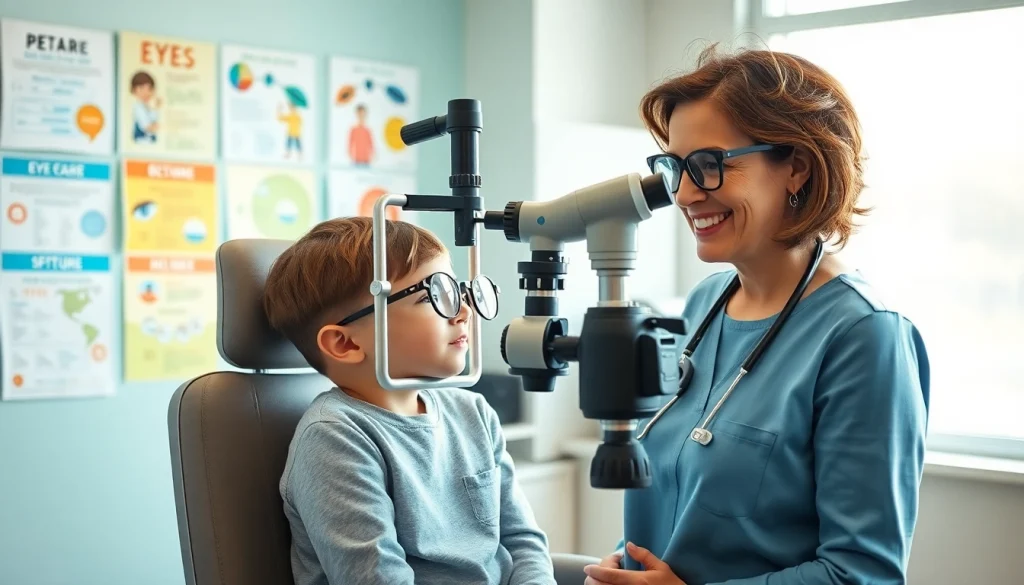
Understanding Our Children’s Vision Needs
Vision is a critical aspect of childhood development that is often overlooked. As the world becomes increasingly visual and technology-driven, ensuring that children can see properly is of utmost importance. Unfortunately, a significant number of children worldwide suffer from vision impairment due to various factors, including a lack of access to proper eye care. Our Children’s Vision seeks to address these pressing issues through advocacy, education, and accessible care solutions. This article will explore vital topics such as the importance of early eye care, common vision problems in children, and access to essential eye care services.
The Importance of Early Eye Care
Early detection and treatment of vision problems can dramatically alter a child’s developmental trajectory. Research has shown that children who receive early eye care are less likely to experience academic challenges and social-emotional issues later in life. Pediatricians often recommend the first comprehensive eye exam to occur at six months of age, with subsequent screenings at ages three and five. Early eye care can help identify conditions such as amblyopia (lazy eye), strabismus (crossed eyes), and refractive errors that might affect a child’s ability to learn effectively.
Common Vision Problems in Children
Numerous vision problems can arise in childhood, impacting everything from learning to social interactions. Some of the most common issues include:
- Myopia (Nearsightedness): This condition occurs when distant objects appear blurry. It usually emerges in school-aged children and can progress with age.
- Hyperopia (Farsightedness): Children with hyperopia have difficulty seeing close objects clearly, which can lead to challenges in learning environments.
- Astigmatism: An irregular curvature of the eye can lead to distorted vision. Children with astigmatism may squint or experience headaches while reading.
- Amblyopia: A condition commonly known as lazy eye, where one eye does not develop proper vision. It can often be treated effectively if identified early.
Understanding these common conditions is crucial for parents and caregivers, as early intervention can lead to better outcomes for children facing vision challenges.
Access to Eye Care Services
Despite the critical need for eye care services, many children around the globe lack access. Rural areas often face a shortage of eye care professionals, while urban populations may encounter financial barriers. Community initiatives focused on providing comprehensive eye health services are essential. Programs that bring eye care directly into schools and community centers can help reduce these barriers, ensuring that every child gets the eye care they need to thrive.
Creating Awareness for Our Children’s Vision
Awareness is a fundamental step in addressing children’s vision problems. By promoting understanding and educating communities about the importance of eye care, we can significantly increase the likelihood that parents will pursue regular eye exams for their children.
Community Education and Outreach
Effective educational initiatives can empower communities. Workshops, seminars, and informational materials focused on eye health can equip parents with the knowledge needed to advocate for their children’s vision care. Collaborating with local organizations and schools can multiply outreach efforts, reaching families across various demographics.
Partnerships and Collaborations
Building partnerships with local businesses, health organizations, and educational institutions can enhance outreach efforts. Collaborative programs may include free vision screenings or educational campaigns to promote the importance of regular eye exams. These partnerships can leverage resources and expertise, creating a more integrated approach to children’s eye health.
Utilizing Social Media for Impact
In today’s digital age, social media is a powerful tool for raising awareness. Campaigns that inform caregivers about the significance of vision health can spread quickly, engaging a wide audience. By sharing stories, statistics, and practical tips, social media can help create a community dedicated to improving children’s eye health.
Promoting Eye Health Checkups for Our Children’s Vision
Routine eye checkups are essential for identifying potential problems before they lead to long-term issues. An organized approach to promoting eye health checkups can lead to better outcomes for children.
Regular Screening Guidelines
Establishing guidelines for screening can help standardize care. Recommendations by pediatric ophthalmology organizations suggest the following:
- First eye exam at six months of age
- Second exam at three years
- Third exam before entering first grade
Following these recommended intervals promotes early detection and necessary treatment, thereby reducing the potential for lifelong vision issues.
Identifying Early Symptoms of Vision Issues
Parents should be aware of signs that may indicate a vision problem. Frequent eye rubbing, squinting, and trouble focusing can all be symptoms that warrant a visit to an eye care professional. Educating caregivers about these early warning signs can play an important role in facilitating timely eye care.
Overcoming Barriers to Eye Health Access
Barriers such as cost, location, and lack of awareness can prevent children from receiving necessary eye care. Mobile clinics, community partnerships, and financial assistance programs can help bridge these gaps. Implementing campaigns to encourage preventive care and make resources available to families can lessen these barriers significantly.
Innovations in Pediatric Eye Care for Our Children’s Vision
Technological advancements and innovative practices are beginning to reshape pediatric eye care, making it more accessible and efficient.
Advancements in Technology
New technologies in eye care offer more precise diagnostics and treatment options. Advanced imaging techniques, such as optical coherence tomography (OCT), allow healthcare professionals to assess eye health with greater accuracy, improving treatment outcomes. Additionally, improved lens technology has enhanced vision correction solutions for children.
Telehealth Services and Accessibility
Telehealth has emerged as a pivotal resource for eye care, particularly in underserved areas. Virtual consultations can facilitate eye health assessments and follow-ups, reducing the need for in-person visits. This approach improves access to specialized expertise, allowing more children to receive appropriate care without the barriers associated with travel and cost.
Integrating Vision Care in Schools
Schools can serve as an effective avenue for promoting eye health. By integrating vision care into school health programs, educators can conduct screenings and provide resources to identify and address vision issues. Collaborating with eye care professionals can help establish regular vision screenings within school systems, ensuring that students’ vision needs are met early.
Measuring the Impact of Our Children’s Vision Initiatives
Evaluating the effectiveness of initiatives aimed at improving children’s vision is crucial for their continual success and refinement. Tracking metrics can provide insights into areas that require further attention or adjustment.
Tracking Improvement in Children’s Eye Health
Data collection and analysis can help measure changes in children’s vision health over time. Metrics such as the number of screenings conducted, the rate of referrals to specialists, and improvement in diagnosed conditions can illuminate the impact of various initiatives. Continuous monitoring ensures that programs evolve based on results and feedback.
Success Stories and Case Studies
Sharing success stories can highlight the real-world impacts of improved access to vision care. Case studies detailing individual experiences can serve as powerful testimonials, encouraging parents and caregivers to seek eye care for their children. Celebrating these successes can also foster a sense of community involvement and investment in children’s eye health.
Future Goals for Enhancing Eye Care Access
Vision initiatives should prioritize future goals such as expanding outreach efforts, increasing funding for eye care services, and enhancing collaborations across sectors. Continuous innovation and advocacy will ensure that eye care becomes a fundamental aspect of children’s overall health and well-being. By setting ambitious goals, organizations dedicated to children’s vision can strive for ongoing improvements in access and quality of care.