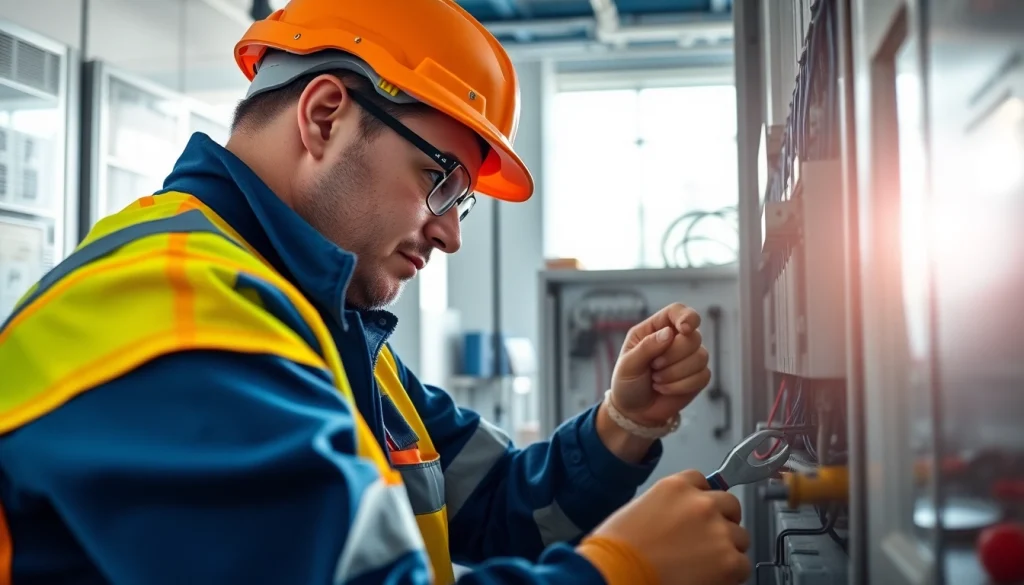
Understanding Commercial Electrical Maintenance
What is Commercial Electrical Maintenance?
Commercial electrical maintenance involves a systematic approach to managing electrical systems in commercial buildings. This includes routine inspections, repairs, and upgrades to ensure that electrical systems operate efficiently and safely. Proper maintenance allows businesses to avoid unscheduled system failures that can disrupt operations and lead to costly downtimes. Commercial electrical maintenance encompasses tasks like checking wiring, monitoring load capacities, and ensuring compliance with safety regulations.
Importance of Regular Maintenance
Regular maintenance is crucial to prolonging the lifespan of electrical systems and enhancing energy efficiency. By identifying potential problems before they escalate, businesses can avoid significant repair costs and enhance safety. Moreover, regular maintenance ensures compliance with local electrical codes, which can prevent legal issues and fines. Establishing a maintenance routine not only protects investments but also contributes substantially to operational reliability.
Key Components of Electrical Systems
Electrical systems in commercial buildings are complex and consist of several components, each requiring diligent maintenance. Key components include:
- Wiring: The backbone of any electrical system. Regular inspections are necessary to check for wear, corrosion, or code violations.
- Switchgear: Includes circuit breakers and fuses. These devices need routine testing to ensure they respond correctly during overloads.
- Lighting Systems: Essential for productivity and safety. Regular checks should be made to ensure proper functionality and energy efficiency.
- Transformers: Critical for voltage modulation. Regular maintenance can help in identifying issues that could lead to failure.
Common Types of Commercial Electrical Maintenance
Scheduled Maintenance Procedures
Scheduled maintenance involves pre-planned inspections and repairs conducted at regular intervals. This includes checking circuit breakers, cleaning or replacing filters in air conditioning units, and testing backup generators. A well-crafted schedule helps to ensure that maintenance is not forgotten or overlooked, as neglecting these important tasks can lead to system failures.
Predictive Maintenance Techniques
Predictive maintenance employs advanced technology to forecast potential failures. This technique includes using thermal imaging cameras to detect overheating components, vibration analysis to assess motor health, or advanced software solutions that analyze historical data to predict failures. By anticipating problems, businesses can conduct maintenance activities only when necessary, thereby saving time and reducing costs.
Corrective Maintenance and Repairs
Corrective maintenance is reactive in nature; it occurs after an issue has been identified. This type of maintenance addresses failures such as damaged wiring or malfunctioning equipment. Being prepared for corrective actions is crucial for minimizing downtime. It can involve everything from repairing minor faults to replacing major system components.
Best Practices for Effective Maintenance
Developing a Maintenance Schedule
Creating a comprehensive maintenance schedule is essential for ensuring that all components are regularly serviced. The schedule should include tasks, responsible personnel, and timelines. Utilizing software that tracks maintenance history can also provide valuable insights into the effectiveness of previous maintenance efforts and inform better scheduling in the future.
Choosing the Right Tools and Equipment
Utilizing the right tools and equipment can significantly impact the efficiency of maintenance tasks. Investing in high-quality diagnostic tools, such as multimeters and oscilloscopes, will ensure that technicians can quickly identify faults. Moreover, having access to specialized tools will facilitate repairs and replacements, minimizing downtime.
Compliance with Electrical Codes and Safety Standards
Electrical systems must adhere to numerous safety standards set by local and national codes. Regular audits of electrical systems help ensure compliance with these standards, diminishing the risks of electrical hazards. Ensuring all maintenance work aligns with these regulations is not only a legal obligation but also protects the safety of employees and visitors.
Challenges in Commercial Electrical Maintenance
Identifying Common Issues
Common issues faced during maintenance include undetected load imbalances, outdated equipment, and lack of employee training. Identifying these issues early is vital. Conducting regular audits and evaluations with qualified technicians can help pinpoint potential problems before they develop into significant issues.
Balancing Maintenance Costs
Businesses often struggle to balance maintenance expenses with operational costs. Creating a detailed budget that prioritizes essential maintenance tasks can help manage these costs effectively. Regularly reviewing this budget allows for adjustments based on findings from maintenance audits and system evaluations.
Addressing Safety Concerns
Safety is paramount in commercial electrical maintenance. Ensuring that all maintenance personnel are trained in safety protocols is essential. This includes the proper use of personal protective equipment (PPE) and understanding the hazards associated with electrical work. Regular safety drills and training sessions can enhance awareness and compliance with safety regulations.
Measuring Success in Electrical Maintenance
Performance Metrics to Track
To gauge the effectiveness of maintenance strategies, tracking performance metrics is crucial. Key metrics include downtime due to equipment failure, the frequency of maintenance tasks performed, and costs associated with repairs. Analyzing these metrics over time will help identify trends and areas for improvement, ultimately leading to more efficient maintenance practices.
Feedback from Electrical Technicians
Gaining insights from the technicians who carry out maintenance can provide invaluable perspectives on the effectiveness of strategies in place. Regular feedback sessions can lead to the enhancement of processes, the identification of common issues, and the development of best practices that align with the unique needs of the commercial environment.
Continuous Improvement Strategies
Establishing a culture of continuous improvement is crucial for any maintenance strategy. This involves regular assessments of maintenance practices, staying informed about emerging technologies, and fostering an environment where employees can suggest improvements. These strategies encourage efficiency and create a proactive approach to maintenance.
Frequently Asked Questions
What are the benefits of commercial electrical maintenance?
Benefits include reduced downtime, increased safety, compliance with regulations, and prolonged equipment lifespan, ultimately saving money.
How often should electrical maintenance be performed?
Electrical maintenance frequency varies by industry, but generally, inspections should be conducted semi-annually or annually, with critical systems checked more frequently.
What is the difference between preventive and predictive maintenance?
Preventive maintenance is scheduled regularly to prevent failures, while predictive maintenance uses data and technology to predict when maintenance should occur based on equipment condition rather than a set schedule.
How do I choose the right maintenance provider?
Look for providers with experience in commercial electrical systems, certifications, positive reviews, and a proactive maintenance philosophy.
What should be included in a maintenance report?
A maintenance report should include tasks completed, inspection findings, any issues found, actions taken, resource usage, and recommendations for future maintenance.