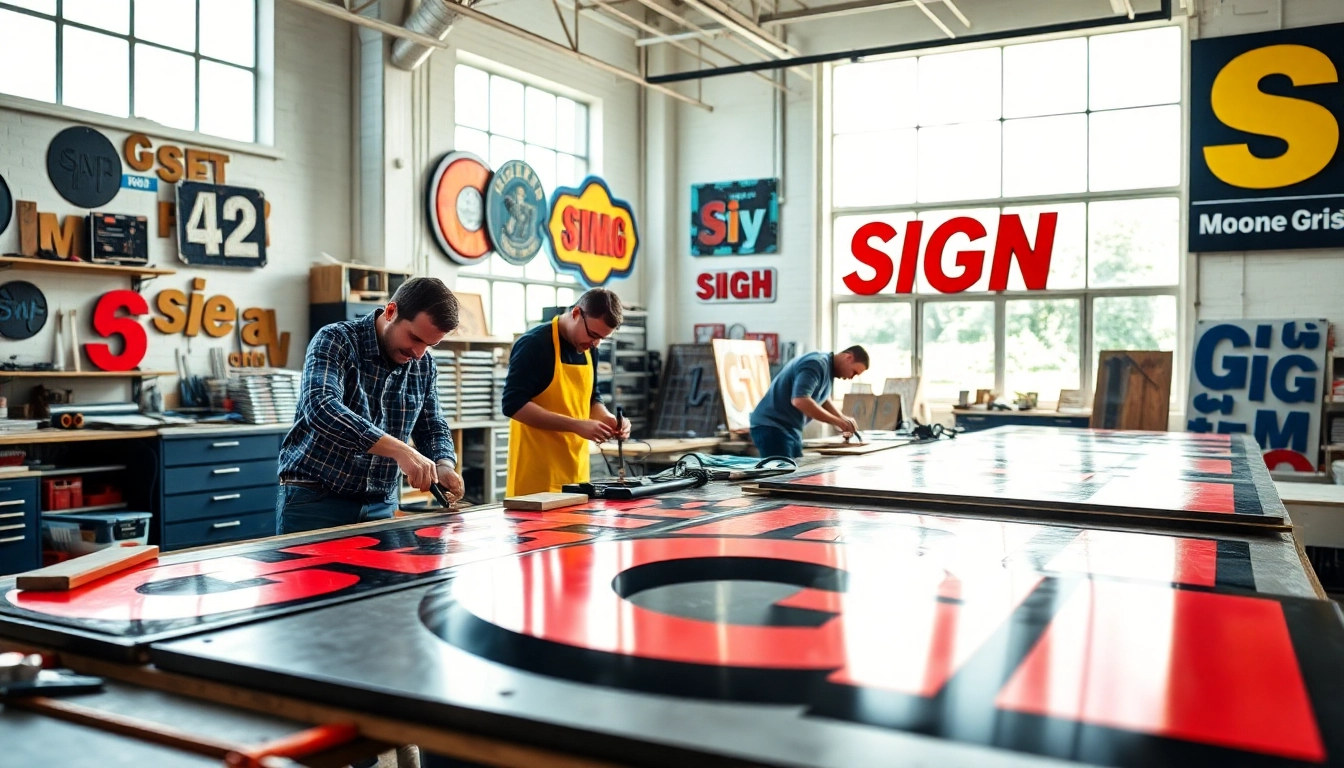
Understanding the Basics of Sign Manufacturing
The world of sign manufacturing is a fascinating blend of artistry and engineering. From storefront signs that catch the eye of passersby to informative signs that guide visitors, the essence of sign-making lies in its ability to communicate messages effectively. Understanding the fundamentals of this field is crucial for anyone looking to delve into sign-making or improve their business practices.
Types of Signs in Sign Manufacturing
Sign manufacturing encompasses a vast array of sign types, each serving distinct purposes and requiring different approaches in design and fabrication. Here are some common types of signs:
- Outdoor Signs: These include billboards, banners, and storefront signs, designed to withstand environmental conditions.
- Indoor Signs: Include directional signs, wall graphics, and safety signs, often focusing on aesthetics and functionality within a space.
- Digital Signs: Incorporating LED technology, these signs allow for dynamic content and real-time updates to information.
- Vehicle Graphics: Transforming vehicles into mobile advertisements, this type of signage is crucial for brand visibility.
- Architectural Signs: These signs are integral to buildings, consisting of dimensional letters and engraved plates that enhance architectural beauty.
Materials Used in Sign Manufacturing
The choice of materials significantly impacts both the longevity and appearance of a sign. Common materials used in sign manufacturing include:
- Acrylic: A versatile plastic that is often used for its clarity and durability.
- Vinyl: Ideal for outdoor signs due to its resistance to fading and weather.
- Aluminum: Known for its lightweight and rust-resistant properties, making it a favorite for outdoor applications.
- Wood: While less common, wood can provide a classic aesthetic for certain types of signage.
- Glass: Used for high-end applications, glass signs offer sophistication and elegance.
Basic Techniques in Sign Manufacturing
The sign manufacturing process involves various techniques that enable the creation of different signage. Key techniques include:
- Screen Printing: This traditional method involves pushing ink through a stencil to create vibrant and durable graphics.
- Digital Printing: Allows for high-quality image reproduction, making it ideal for complex designs.
- Cut Vinyl: Involves cutting shapes from vinyl sheets, perfect for lettering and decals.
- Engraving: A method for creating detailed and permanent markings on various materials.
- 3D Fabrication: Uses CNC machines to produce dimensional letters and custom shapes with precision.
The Importance of Quality Control in Sign Manufacturing
Quality control in sign manufacturing is essential for ensuring that signs meet customer expectations and industry standards. Effective quality control processes contribute to the longevity and functionality of the final product.
Establishing Quality Standards
Establishing clear quality standards is crucial for sign manufacturers. These standards help in maintaining consistency across products. Key areas include:
- Materials: Specifying acceptable grades and origins for materials used.
- Workmanship: Outlining criteria for craftsmanship, including attention to detail and finishing.
- Durability: Defining lifespan expectations based on environmental factors.
Inspection Methods for Sign Manufacturing
Consistent inspection methods help in identifying defects early in the production process. Some common methods include:
- Visual Inspections: Checking for obvious flaws such as color discrepancies or alignment issues.
- Dimensional Checks: Ensuring that signs meet specified dimensions and tolerances.
- Functional Testing: Testing electronic components in digital signage for operational effectiveness.
Common Quality Issues and Solutions
Despite best efforts, common quality issues can arise in sign manufacturing, including:
- Fading: Solution: Use UV-resistant inks and materials.
- Peeling: Solution: Ensure proper adhesion techniques are used.
- Misalignment: Solution: Implement stringent alignment checks during assembly.
Innovative Technologies in Sign Manufacturing
Technological advancements continually shape the landscape of sign manufacturing. Embracing innovation can enhance production efficiency, design capabilities, and overall quality.
Digital Printing in Sign Manufacturing
Digital printing has revolutionized the sign industry. It allows manufacturers to produce high-quality graphics while reducing setup times and waste. Advantages of digital printing include:
- Complex Images: Ability to print large-size, detailed images with vibrant colors.
- Short Runs: Economically feasible for small orders, making it ideal for customized signage.
- Quick Turnaround: Reduced time from design to production enables rapid response to customer needs.
CNC Machining for Precision Sign Manufacturing
CNC (Computer Numerical Control) machining provides unparalleled precision in sign manufacturing. This technology allows for intricate designs and cuts that would be labor-intensive and difficult to replicate manually.
Integrating AI for Enhanced Design Processes
Artificial Intelligence is becoming increasingly utilized in sign manufacturing for improving design processes. Benefits of AI integration have been observed in:
- Design Suggestions: AI can analyze trends and recommend designs that resonate with specific audiences.
- Efficient Production Planning: Using AI for optimizing production schedules can minimize downtime.
- Customer Interactions: Chatbots and virtual assistants can streamline customer engagement and order management.
Marketing Strategies for Sign Manufacturing Businesses
In a competitive market, effective marketing strategies are crucial for sign manufacturing businesses seeking growth. Here are strategic approaches:
Building a Strong Online Presence
A robust online presence is essential for attracting new clients. Key components include:
- Website Optimization: Ensure your website is user-friendly and optimized for SEO to improve visibility.
- Content Marketing: Share relevant content such as blogs or guides that showcase your expertise and provide value.
- Portfolio Display: Showcase previous projects to give potential customers a clear idea of your capabilities.
Utilizing Social Media for Engagement
Social media platforms provide significant opportunities for engagement and outreach. Effective strategies may include:
- Regular Updates: Keep followers informed about new products and innovations.
- Engagement Campaigns: Run contests or solicit feedback to foster community interaction.
- Behind-the-Scenes Content: Share your production process to highlight craftsmanship and transparency.
Creating Effective Advertisements
Advertising plays a pivotal role in sign manufacturing. Best practices for creating effective advertisements include:
- Targeting Your Audience: Understand who your customers are and tailor messages accordingly.
- Clear Call-to-Action: Encourage prospective clients to take steps toward engagement.
- Leveraging Testimonials: Positive reviews can enhance credibility and attract new clients.
Future Trends in Sign Manufacturing
Staying ahead of industry trends can give sign manufacturers a competitive edge. Below are some prominent future trends:
Environmentally Friendly Practices
As sustainability becomes more important, many sign manufacturers are adopting eco-friendly practices. Strategies include:
- Using Recycled Materials: Sourcing materials that are recycled or sustainably produced.
- Eco-Inks: Utilizing inks that are biodegradable and less harmful to the environment.
- Energy-Efficient Processes: Investing in machinery that consumes less power during production.
Customization and Personalization Trends
Today’s consumers favor products tailored to their preferences. Sign manufacturers must embrace customization trends, which can include:
- Customized Designs: Offering customers the option to design unique signs.
- Interactive Signage: Incorporating interactive elements that engage the audience.
- Responsive Designs: Creating signs that can change based on viewer interaction or data.
The Role of Augmented Reality in Sign Manufacturing
Augmented Reality (AR) is set to transform the sign industry by providing more immersive experiences. Possible applications include:
- Visualizing Signage: Allowing customers to visualize how signs will look in their intended locations.
- Interactive Marketing: Engaging customers in ways that traditional signage cannot.
- Enhanced Information Delivery: Providing additional contextual information through AR layers.
Frequently Asked Questions
What materials are best for outdoor signs?
Aluminum and vinyl are excellent choices for outdoor signs due to their durability and weather resistance.
How does digital printing benefit sign manufacturing?
Digital printing allows for high-quality graphics, quick turnarounds, and economical production of small orders.
What quality control measures should be implemented?
Implement visual inspections, dimensional checks, and functional testing to maintain product quality.
What are the advantages of CNC machining?
CNC machining offers exceptional precision, allowing for intricate designs and high repeatability in sign production.
How can social media enhance a sign manufacturing business?
Social media fosters engagement with potential customers, showcases projects, and disseminates brand messages effectively.