Understanding Emergency HVAC Repair
When it comes to maintaining a comfortable home, having a reliable HVAC system is essential. However, equipment failures can occur without warning, leading to the need for emergency HVAC repair. Understanding what constitutes an emergency, recognizing common signs of failure, and acting swiftly can save you a lot of trouble and expense.
What Constitutes an Emergency HVAC Repair?
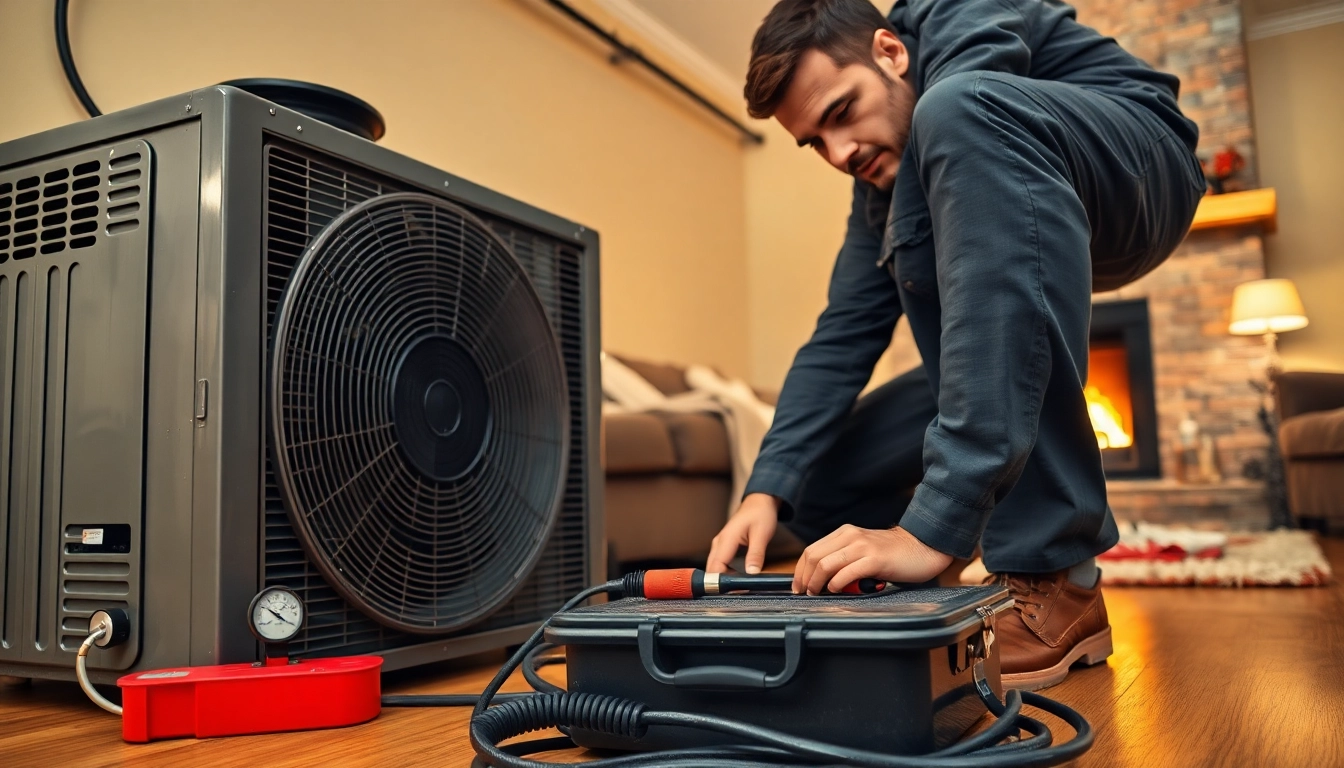
An emergency HVAC repair typically refers to any situation where your heating, ventilation, or air conditioning system fails in a manner that compromises safety or comfort. For example, if your heating system stops working during a severe winter storm, or if the AC breaks down during a heatwave, these situations require immediate attention. Critical failures that can lead to property damage, such as refrigerant leaks or gas leaks, also fall under emergency repairs.
Common Signs You Need Immediate Help
Recognizing early indicators of HVAC malfunction can prevent costly repairs later. Common signs that signal you may need emergency help include:
- Unusual Noises: Banging, rattling, or hissing noises often indicate mechanical problems.
- Fluctuating Temperatures: If your system is unable to maintain a consistent temperature, this may suggest a malfunction.
- Strange Odors: Burning smells, gas odors, or musty scents indicate potential hazards that require immediate inspection.
- Increased Energy Bills: A sudden spike in energy usage can indicate inefficiency or system problems.
- Loss of Functionality: If you experience a complete shutdown of your heating or cooling system, urgent repair is necessary.
Importance of Quick Response
Responding quickly to HVAC emergencies can significantly affect repair costs and home safety. For instance, prolonged exposure to extreme temperatures can lead to health issues, particularly in vulnerable populations such as the elderly or young children. Additionally, failing to address minor issues swiftly often results in more extensive damage, leading to costlier repairs. Moreover, quick responses can prevent hazardous situations such as gas leaks or electrical failures, ensuring the safety of your household.
Preparing for an Emergency HVAC Repair
While emergencies can be unpredictable, there are steps homeowners can take to prepare for potential HVAC issues. A bit of foresight can make a considerable difference when an HVAC emergency strikes.
Assessing Your Home’s HVAC System
Regular assessments of your HVAC system can help identify potential problems before they escalate. Homeowners should routinely check:
- Air Filters: Clogged filters reduce efficiency and can cause strain on the system.
- Thermostat Settings: Ensure your thermostat is correctly calibrated and functioning.
- Vents and Ducts: Inspect for obstructions or signs of wear that could affect airflow.
- Age of Equipment: Knowing the age of your system can help anticipate future failures.
Emergency Kit Essentials for Homeowners
Having an emergency kit ready can prove beneficial during HVAC failures. Consider including these essential items:
- Flashlight and Batteries: Prepare for possible power outages.
- First Aid Supplies: A basic kit can help in emergencies.
- Space Heaters/Cooling Fans: Backup solutions for temperature control.
- Phone Numbers: Keep contact information for emergency HVAC services easily accessible.
- Blankets and Warm Clothing: Prepare for temporary loss of heating during cold weather.
When to Call for Professional Help
Understanding when to call for professional assistance is crucial. If you notice severe system malfunctions accompanied by safety concerns (like gas leaks or smoke), it’s essential to evacuate and call emergency services. Additionally, any complex issues that require specialized tools or knowledge, including electrical problems or refrigerant leaks, should lead you to contact a trained professional to avoid risking personal safety or system damage.
DIY vs. Professional Emergency HVAC Repair
In the wake of an HVAC emergency, homeowners may be tempted to perform repairs themselves. However, it’s critical to assess when this is appropriate.
Safe DIY Techniques for Minor Issues
For minor problems, homeowners can follow several safe DIY strategies:
- Changing Air Filters: Regular replacements help maintain airflow and system efficiency.
- Resetting Your System: A simple reboot of your HVAC unit can resolve many issues; check the user manual for specific methods.
- Clearing Drains: Ensure condensate drains are clear to avoid water buildup and potential damage.
Recognizing Limitations: When to Seek Expertise
It’s essential to know your limits. If you encounter problems outside your skill set or tools, such as electrical issues or complex mechanical failures, do not hesitate to call in professionals. Avoiding complications is often less costly than attempting to fix problems yourself.
Benefits of Professional Services
Engaging professional HVAC technicians offers numerous advantages:
- Expert Knowledge: Technicians have specialized training and experience, ensuring a thorough and accurate diagnosis and fix.
- Safety: Professionals handle potentially hazardous issues safely, minimizing risks associated with gas or electrical systems.
- Guarantees and Warranties: Work performed by professionals often includes guarantees, ensuring that repairs are completed to a high standard.
- Time Efficiency: Professionals can quickly troubleshoot and repair problems, reducing downtime compared to DIY efforts.
Coping with HVAC Emergencies
Understanding how to cope with HVAC emergencies can make a significant difference in stressful situations—for both comfort and safety.
Immediate Steps to Take During a Breakdown
First, assess the situation calmly. Check your thermostat settings and ensure power is supplied to your HVAC system. If safe, inspect for obvious problems, such as tripped circuit breakers or blown fuses. If the situation looks hazardous, such as the smell of gas, immediately evacuate and call emergency services.
How to Maintain Comfort While Waiting for Repairs
While waiting for repairs, there are several ways to maintain comfort:
- Layer Up: Wear extra clothing or use blankets to stay warm until heating is restored.
- Limit Use of Appliances: Reduce heat-generating activities such as cooking.
- Use Fans or Heaters: Deploy space heaters safely or use fans to redistribute air if you have partially operational systems.
Preventative Measures for Future Issues
Preventative maintenance is key to avoiding future HVAC emergencies. Regularly service your HVAC system either seasonally or bi-annually. This includes cleaning components, replacing filters, and scheduling professional inspections. Implementing a regular maintenance plan reduces the chances of unexpected breakdowns and ensures longevity and efficiency of your system.
Frequently Asked Questions About Emergency HVAC Repair
What are the costs involved in emergency HVAC repair?
The costs can vary widely based on the problem’s severity, location, and labor. On average, emergency repairs range from $150 to $500, but complex issues can exceed this amount.
Can I perform my own emergency HVAC repair?
Minor fixes, such as changing filters or clearing condensate drains, are safe for homeowners. More complex issues, especially those involving electricity or refrigerants, should be handled by professionals.
How quickly can I expect a technician?
Response times vary based on the time of day and current workload. Many emergency services strive to respond within a couple of hours, especially during peak heating or cooling seasons.
What should I do if I have no heating or cooling?
First, check your thermostat and power supply. If those are fine, contact an HVAC professional immediately. Try to maintain a comfortable environment with warm clothing or cooling measures until help arrives.
How do I choose the right HVAC repair service?
Look for licensed and insured technicians with positive customer reviews. Check their experience and the services they offer. It’s also beneficial to see if they provide emergency services and have good response times.