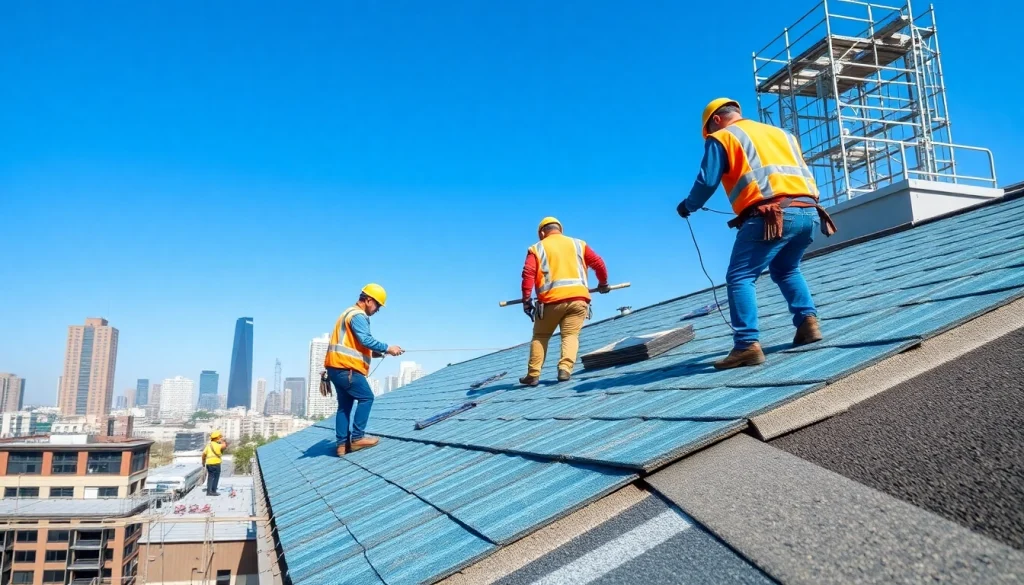
Understanding Commercial Roofing Services
What Are Commercial Roofing Services?
Commercial roofing services encompass a variety of solutions specifically tailored for business facilities, ranging from installation and repair to maintenance. Unlike residential roofing, commercial roofing involves broader systems designed to endure larger surface areas and specific environmental conditions. This specialization often requires expertise in various materials and regulations mandated by local building codes. Effective commercial roofing services ensure that businesses not only protect their investment but also comply with safety guidelines vital for operational continuity.
Types of Commercial Roofing Systems
The choice of roofing system is critical and varies based on the building’s architecture, climate, and budget. Below, we explore some of the most common types of commercial roofing systems:
- Flat Roofing: Common in commercial structures, flat roofs allow for easy installation and maintenance. Typically made from materials such as TPO, EPDM, or PVC, flat roofs are cost-effective but may require regular inspection to prevent water pooling and leaks.
- Metal Roofing: Metal roofs provide longevity and durability and are often made from materials like aluminum, steel, or copper. They can reflect heat and offer improved energy efficiency, making them a popular choice for warehouse-style buildings.
- TPO Roofing: Thermoplastic Olefin (TPO) roofs are reflective, energy-efficient, and resistant to UV radiation. They are frequently chosen for new constructions due to their affordability and installation ease.
- Modified Bitumen Roofing: This type of roofing combines the benefits of built-up roofing with modern membrane technology. It is durable and provides an excellent seal against high winds and adverse weather conditions.
- Single-Ply Roofing: Single-ply systems such as EPDM (Ethylene Propylene Diene Monomer) are lightweight and versatile, offering quick installation and repair options. They are particularly well-suited for commercial roofs with minimal foot traffic.
Benefits of Professional Roofing Services
Investing in professional commercial roofing services provides numerous advantages:
- Expertise: Professionals possess the specialized knowledge required to assess the unique roofing needs of commercial buildings and recommend suitable materials and services.
- Quality Workmanship: Professional roofers adhere to industry best practices, ensuring that the installation or repair is conducted correctly the first time, thereby extending the roof’s lifespan.
- Warranties: Many professional roofing services come with warranties that guarantee the quality of workmanship and materials, providing peace of mind to business owners.
- Cost-Effectiveness: Although the initial investment in professional services may be higher, the long-term savings gained from reduced maintenance, energy efficiency, and longevity of the roofing material often outweigh the costs.
- Compliance: Professional roofers ensure that all work complies with local regulations and building codes, reducing the risk of legal issues or penalties in the future.
Choosing the Right Commercial Roofing Services
Factors to Consider When Selecting a Roof Type
When selecting a roofing system, several factors should be taken into account to ensure that it meets the functional and aesthetic requirements of your business:
- Climate: The local climate plays a significant role in determining the durability and effectiveness of different roofing materials. For example, hot and sunny climates may benefit from reflective roofs, while colder areas could require materials that handle snow efficiently.
- Building Structure: The architectural design of the facility, including its slope and size, directly influences the choice of roofing system. Engaging a professional can help in evaluating the best fit.
- Budget: Business owners must weigh the installation costs against the potential long-term savings offered by different roofing systems. Effective budgeting encompasses installation, maintenance, and expected lifespan costs.
- Usage: The roof’s purpose (e.g., accommodating HVAC units, maintaining aesthetics vs. functionality) should align with the selection made, ensuring it meets all operational requirements.
Evaluating Roofing Service Providers
Not all roofing service providers are created equal. To select a reliable provider, consider the following aspects:
- Experience: Look for contractors who have experience with commercial roofing solutions specifically and can demonstrate successful projects in similar business settings.
- Reviews and References: Examine customer reviews to gauge satisfaction levels. Request references for past projects to understand the contractor’s reliability and quality.
- Certifications: Verify that the contractor holds necessary licenses, certifications, and insurance required by local regulations. This ensures that they adhere to industry standards.
- Service Range: Evaluate whether the provider offers a comprehensive range of services, including inspections, repairs, and ongoing maintenance, which can facilitate long-term partnerships.
Common Questions About Commercial Roofing Services
Business owners have many questions when considering commercial roofing services. Here are some commonly asked questions:
- How long does a commercial roof last? The lifespan varies widely depending on materials and maintenance, with some systems lasting as little as 10 years and others extending up to 50 years or more.
- What are the typical warranties for commercial roofing? Warranties tend to range from 10 to 30 years, with some manufacturers offering extended warranties depending on the roofing material and installation.
- What are the signs that my commercial roof needs repairs? Common signs include leaks, water stains on ceilings, blistering or bubbling on the roof surface, and noticeable wear around flashing or seams.
- Should I schedule regular maintenance for my commercial roof? Yes, regular maintenance is essential to prolong the lifespan of the roof and prevent costly repairs. Seasonal inspections and maintenance checks can identify issues early.
Installation Process of Commercial Roofing Services
Initial Assessment and Planning
The installation of a commercial roofing system begins with a thorough assessment of the existing conditions and planning for the new installation. This process involves:
- Site evaluation: Assessing the current roof’s condition, structure, and materials helps determine if a complete replacement or repair is necessary.
- Consultation: Discussing with a roofing expert can clarify the business’s needs, budget, and roofing preferences, ensuring tailored recommendations.
- Design and Engineering Plans: Developing design plans is crucial to ensure the roofing solution complies with load-bearing requirements and integrates with existing building systems like HVAC.
Material Selection and Procurement
Choosing the right materials is pivotal to achieving the desired durability, efficiency, and aesthetics of the roof. Considerations include:
- Material performance characteristics and lifespan expectations.
- Supplier reliability and reputation for producing high-quality materials.
- Cost of materials versus long-term benefits, including warranty and maintenance needs.
Steps in the Installation Process
The installation process can vary based on the roofing type, but it generally involves these steps:
- Preparation: This includes ensuring the site is cleared and safe, as well as removing old roofing materials if a complete replacement is necessary.
- Deck Inspection: Inspecting the roof deck ensures it can support the new materials. Any damages must be repaired before proceeding.
- Installation of the Roofing System: Depending on the chosen material, this step will begin with laying insulation, attaching membranes, or installing shingles, ensuring each layer meets manufacturer specifications.
- Flashing Installation: Proper installation of flashing around penetrations, seams, and transitions is crucial to prevent leaks and water intrusion.
- Final Inspection: Conducting a thorough post-installation inspection guarantees that the roof meets both client expectations and regulatory requirements.
Maintenance and Repair of Commercial Roofing Services
Importance of Regular Roof Maintenance
Regular maintenance is paramount in prolonging the lifespan of a commercial roof. Establishing a routine inspection schedule and cleaning regimen ensures that potential issues are identified and resolved before they escalate, thus avoiding costly repairs and disruptions in business operations.
Signs Your Roof Needs Repair
Being proactive about roof maintenance demands recognizing the warning signs of potential failures, including:
- Visible leaks during rainfall.
- Accumulation of debris and plants on the roof surface.
- Evidence of blistering, cracking, or peeling in the roofing material.
- Unexpected energy surges which may indicate poor insulation.
Best Practices for Roof Care
To maintain a healthy roof and extend its life, adhere to the following best practices:
- Schedule seasonal inspections with a professional to identify wear and tear and verify the integrity of seals and joints.
- Keep gutters and drainage systems clear from blockages to prevent water build-up.
- Promptly address repairs to prevent small issues from becoming significant problems.
- Document the maintenance schedule and inspections for future reference and warranty compliance.
Cost-Effectiveness of Commercial Roofing Services
Factors Influencing Roofing Costs
Understanding the factors influencing costs helps businesses budget more effectively for new installations or renovations. Key components include:
- Roof type and materials selected.
- Complexity of the roof design, including slope, penetration, and overall square footage.
- Labor costs which can vary by region and contractor experience.
- Additional features such as insulation, coatings, and warranties which can add value and longevity to the installation.
Budgeting for Commercial Roofing Services
Effective budgeting for commercial roofing involves calculating both initial costs and potential long-term expenses, such as:
- Installation and labor costs.
- Expected maintenance and repair budgets over the roofing system’s lifespan.
- Energy savings achieved through efficient roofing solutions.
Long-Term Savings from Quality Roofing
Investing in high-quality commercial roofing systems ultimately delivers significant long-term savings. These savings materialize through:
- Reduced utility costs due to improved energy efficiency.
- Lower maintenance expenditures resulting from durable materials and professional installation.
- Protection against costly water damage, structural problems, and operational interruptions.