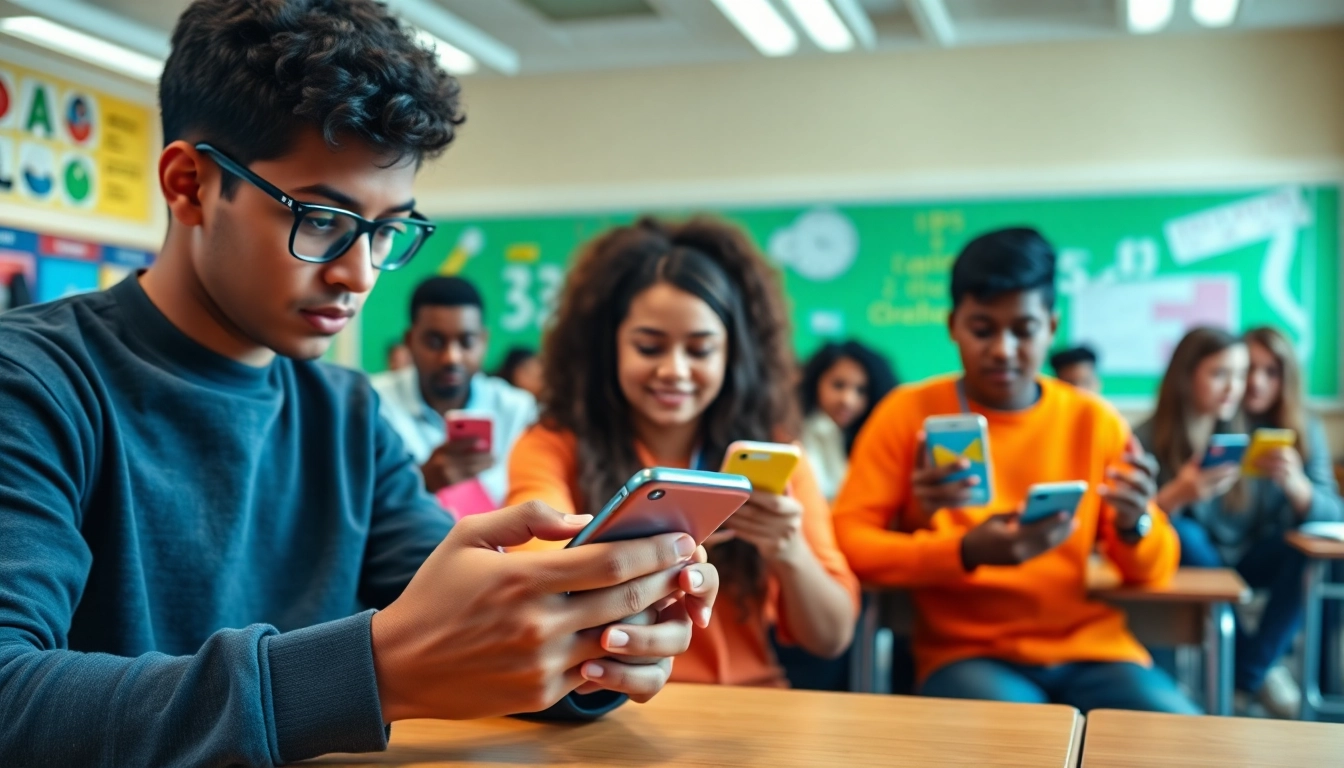
Understanding the Smartphone Solution in School Life
Defining the Role of Smartphones
In today’s digital age, smartphones play a pivotal role in various aspects of daily life, including education. The role of smartphones transcends mere communication; they are powerful tools that facilitate learning, engagement, and access to information. Smartphones enable students to retrieve educational materials, engage in interactive learning experiences, and communicate effectively with peers and educators. As we delve into the smartphone solution in school life, it’s crucial to understand how these devices integrate into the learning ecosystem.
Benefits for Students and Educators
The incorporation of smartphones in educational settings brings numerous advantages. For students, instant access to information paves the way for independent study and research, fostering greater autonomy in learning. They can connect with classmates for collaboration on group projects, utilize educational apps for deeper understanding, and engage with content more dynamically through videos and interactive platforms.
Educators also benefit from using smartphones in classroom environments. They can leverage various teaching tools and apps to enhance lesson plans, track student progress, and provide immediate feedback. Furthermore, smartphones can aid in accommodating different learning styles, making education more inclusive and personalized. This blend of benefits enhances the overall educational experience.
Challenges and Considerations
While the integration of smartphones presents several benefits, it also poses challenges. One critical concern is managing distractions. With the allure of social media and games, students can easily shift their focus away from academics. Educators must develop strategies to minimize these distractions, such as establishing clear guidelines for smartphone use during class.
Additionally, issues of equity arise, as not all students may have access to smartphones or reliable internet connections. This disparity can hinder learning opportunities for some, and educational institutions need to address these gaps to ensure an equitable learning environment. Schools must consider comprehensive policies to support and manage smartphone integration effectively.
Implementing Smartphone Solutions in Classrooms
Choosing the Right Educational Apps
Selecting appropriate educational apps is crucial for maximizing the benefits of smartphone use in classrooms. Schools should prioritize apps that align with curriculum goals, enhance engagement and foster interactive learning. For instance, apps that facilitate quizzes, collaborative projects, or research can be particularly beneficial.
Furthermore, educators should stay updated on newly developed applications that may enhance learning experiences. Engaging with reviews and feedback from other educators can provide insights into the most effective tools available. Careful selection ultimately leads to more meaningful learning outcomes and student engagement.
Creating a Balanced Digital Policy
Establishing a clear digital policy regarding smartphone use is essential for maintaining order and promoting responsible usage in classrooms. This policy should outline acceptable use cases for smartphones during school hours, such as when devices can be utilized for research or assignments.
Moreover, schools should promote digital citizenship, teaching students about ethical online behavior and responsible smartphone use. A well-rounded policy balances the benefits of smartphone technology with the need for discipline, ensuring that classrooms remain conducive to learning.
Training for Teachers and Students
Training plays a vital role in the successful implementation of smartphone solutions. Educators should receive guidance on how to effectively incorporate smartphones into their teaching strategies and maintain classroom control. Training sessions can include demonstrations of educational apps, classroom management techniques, and techniques for encouraging student participation.
Equally important is equipping students with the necessary skills to maximize their smartphone use for educational purposes. Workshops or classes that focus on research skills, digital literacy, and effective app usage can empower students to utilize smartphones to enhance their learning experiences.
Maximizing Engagement with Smartphone Solutions in School Life
Interactive Learning Experiences
Engagement is crucial in the learning process, and smartphones can significantly enhance interaction within the classroom. Through gamified learning apps and platforms, students can engage with educational content in an enjoyable manner. This approach capitalizes on modern interest in technology and aligns with students’ everyday experiences.
Interactive experiences can also include virtual reality (VR) options, which provide immersive learning opportunities. For instance, students can take virtual field trips or explore complex scientific concepts through visualization, fostering a deeper understanding of the subject matter.
Encouraging Collaboration Among Students
Smartphones can serve as collaborative tools, making it easier for students to work together on projects, even if they are not physically in the same location. Applications that allow for document sharing, group messaging, or video conferencing facilitate teamwork and encourage peer learning.
By using smartphones for collaboration, students can harness diverse perspectives and ideas, enriching their projects and fostering a deeper sense of community within the classroom. Furthermore, collaborative tools help students develop essential social and communication skills, which are critical in both academic and professional settings.
Leveraging Multimedia for Enhanced Understanding
Smartphones enable access to various multimedia resources that can enhance understanding and retention of information. Educators can diversify their teaching materials by incorporating videos, podcasts, and infographics, catering to different learning styles.
By leveraging multimedia, teachers can create more engaging lessons that captivate students’ attention and help solidify their comprehension. Additionally, students can create their own multimedia presentations, fostering creativity while demonstrating their understanding of topics in innovative ways.
Measuring the Impact of Smartphone Solutions in Education
Performance Metrics to Consider
To gauge the effectiveness of smartphone integration in education, it is important to establish performance metrics. These metrics can involve assessing student engagement levels, academic performance improvements, and general satisfaction with learning experiences. Surveys and digital assessments can provide valuable data regarding how smartphone use has influenced learning outcomes.
Educators could also evaluate the frequency of smartphone use in class and compare it against student participation and comprehension rates. Analyzing this data can inform future strategies for integrating smartphones more effectively.
Feedback from Students and Parents
Receiving feedback from students and parents is crucial in understanding the real-world impact of smartphone solutions. Schools can conduct regular surveys or host focus groups to gather insights on their perceptions of smartphone use in the classroom.
Actively collecting and analyzing feedback not only helps in adjusting classroom practices but also encouraged a sense of community involvement and transparency regarding educational strategies.
Long-term Educational Outcomes
Studying the long-term outcomes of integrating smartphones in educational settings can provide critical insights into their effectiveness. Educators should take note of trends in student performance over time, focusing on how smartphone use relates to improved grades, graduation rates, and skill acquisition.
Moreover, success stories showcasing students who excelled due to enhanced access to information and resources can motivate other learning environments to adopt similar strategies. Tracking these outcomes will be valuable for refining educational approaches surrounding smartphone technology.
Future Trends in Smartphone Use in Educational Settings
Emerging Technologies in School Life
The landscape of education is continuously evolving, and emerging technologies remain at the forefront of this change. Innovations such as augmented reality (AR), artificial intelligence (AI), and machine learning are beginning to find their place in educational settings, enhancing the smartphone experience.
Educators may soon have access to technologies that adapt to and personalize learning experiences for individual students, making education more tailored and effective. Incorporating these advanced technologies into smartphone solutions can redefine traditional teaching methods.
Global Perspectives on Digital Education
Examining global trends in digital education illustrates the diverse ways smartphones can be utilized to enhance learning. Countries around the world are implementing smartphones and other digital tools in unique ways, responding to specific educational needs and challenges.
By learning from these global perspectives, educators can adopt best practices and adapt them to local contexts, ensuring that smartphone solutions are effective and culturally relevant.
Preparing for a Tech-Savvy Future
As technology continues to evolve, preparing students for a tech-savvy future is more important than ever. It is crucial to ensure that students aren’t just consumers of technology but also creators and innovators. Smartphone solutions can play a crucial role in this transition.
By fostering critical thinking, problem-solving skills, and creativity through smartphone-enabled learning experiences, educators can equip students with the tools they need to succeed in a digital world, thus preparing them for the challenges of tomorrow.
FAQs
What are the benefits of smartphones in education?
Smartphones enhance learning by providing instant access to information, facilitating collaboration, offering diverse educational apps, and accommodating different learning styles.
How can distractions be managed in classrooms?
Educators can create clear smartphone usage policies, set specific times for device use, and incorporate engaging activities to minimize distractions.
What types of apps should schools focus on for education?
Schools should prioritize apps that align with curriculum goals, promote interactive learning, and support collaboration and research among students.
How can feedback improve smartphone solutions in education?
Regular feedback from students and parents helps schools assess the effectiveness of smartphone solutions, allowing for adjustments and improvements in practices.
What future trends should educators watch for?
Emerging technologies like AI, AR, and global educational practices are shaping the future of smartphone integration in teaching and learning. Keeping abreast of these trends is essential.