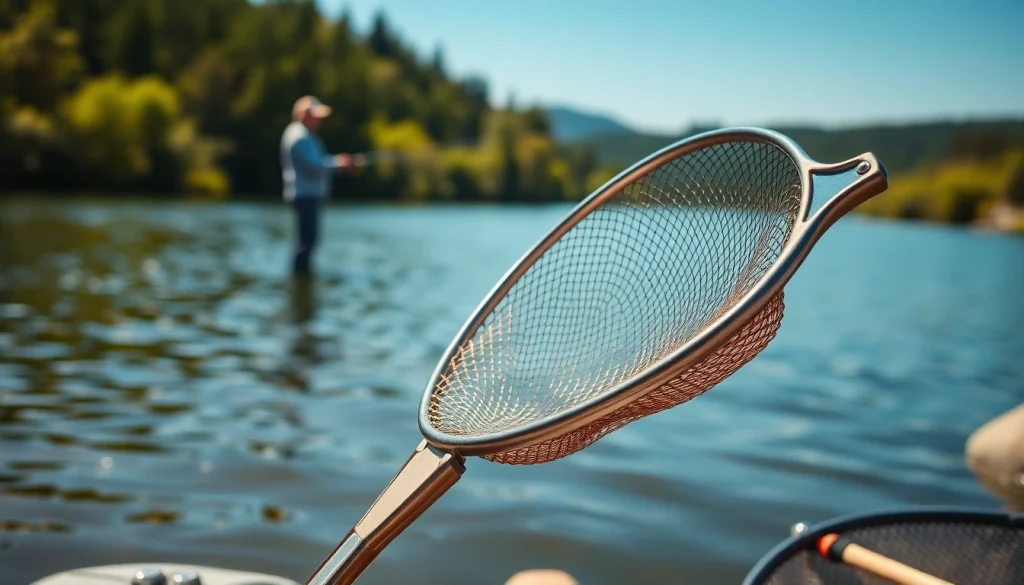
Understanding the Importance of a Fly Fishing Net
When it comes to fly fishing, having the right gear can dramatically affect your performance on the water. Among the essential pieces of equipment, a fly fishing net stands out as not only functional but also a critical tool that every angler should invest in. Beyond simply landing fish, a quality net enhances the overall fishing experience by reducing stress on fish populations and making it easier to manage your catch. In this comprehensive guide, we’ll delve into why every angler needs a fly fishing net, the various types available, and how to choose the right one for your fishing style.
Why Every Angler Needs a Fly Fishing Net
A fly fishing net serves multiple purposes—it’s not just about catching fish. A proper net helps to minimize injury to the fish during landing and handling, which is particularly crucial for anglers who practice catch-and-release fishing. By using a landing net, you can quickly and gently secure fish, allowing for swift photos and releases, which benefits the sustainability of fish populations. Furthermore, in the heat of the moment, a net provides a safety net (pun intended) for securing larger fish that may be difficult to handle with just your hands.
Types of Fly Fishing Nets and Their Uses
There are several types of fly fishing nets available, each tailored for specific scenarios:
- Landing Nets: Basic nets equipped with a hoop and a handle, these are the most commonly used type. They come in various sizes, allowing anglers to choose based on their target species and fishing conditions.
- Catch and Release Nets: Designed specifically to minimize damage to fish, these nets typically have rubberized or knotless mesh netting, which reduces the risk of catching fish’s fins or scales.
- Collapsible Nets: Perfect for anglers who travel light, these nets can be folded and stored easily. They often feature telescopic handles for extended reach.
- Specific Species Nets: Certain nets are designed for particular species, such as trout or bass, with size and shape optimized for the species’ handling and landing.
Choosing the Right Size for Your Needs
Size is an important consideration when selecting a fly fishing net. A larger net can help land big fish more easily, but it may be cumbersome for smaller species or if you’re fishing in tight spaces. As a general rule of thumb, the net should be proportionate to the type of fish you’re expecting to catch. A net that is too big can lead to difficulties managing smaller fish while a net that is too small may risk losing larger catches. Additionally, think about the nature of your fishing environment—wider nets can facilitate landing fish in streams or rivers, while narrower nets are better suited for ponds or while wading.
Materials and Construction of Fly Fishing Nets
Understanding the materials and construction of fly fishing nets is crucial to making an informed decision. The materials used can significantly affect the net’s weight, durability, and functionality in the field.
Common Materials Used in Fly Fishing Nets
Fly fishing nets are primarily constructed from the following materials:
- Wood: Traditional nets are often made from wood, which can be aesthetically pleasing and create a classic look. However, wooden nets tend to be heavier and require more maintenance.
- Aluminum: Lightweight and durable, aluminum nets provide a great balance of strength and transportability. They can resist corrosion, making them suitable for salty environments.
- Composite Materials: Many modern nets are made from composites, which can include plastic, fiber, or other synthetic materials. These often have the benefit of being lightweight and incredibly durable.
- Rubberized Mesh: A growing trend is the use of rubberized mesh. This material is gentle on fish and is less likely to snag, promoting easier catch-and-release.
How Construction Affects Net Performance
The construction quality directly impacts net performance. Factors include:
- Frame Strength: A net’s frame should be sturdy enough to hold the weight of your catch. Look for nets with reinforced seams and quality craftsmanship.
- Mesh Quality: The mesh material should be durable and gentle on fish. Poor quality mesh can fray and jeopardize your ability to land fish effectively.
- Handle Length: Depending on how you fish, the handle should be of appropriate length. Longer handles facilitate reaching fish from different angles, whereas shorter handles offer more control.
Durability and Maintenance Tips
To ensure your net lasts through many fishing seasons, maintenance is key:
- Rinse your net with freshwater after each use, especially if fishing in saltwater.
- Inspect the mesh for tears or frays and repair them as necessary to prevent further damage.
- Store the net in a cool, dry place away from direct sunlight to avoid degrading materials.
- Periodically check connections and hinges (if applicable) to ensure they remain secure and functional.
Matching Fly Fishing Nets to Your Fishing Style
Your fishing style should heavily influence the type of net you choose. Whether you’re a dedicated freshwater angler or often venture into saltwater fishing, the right net can enhance your experience and results.
Freshwater vs. Saltwater Fishing Nets
When it comes to selecting a net for freshwater or saltwater fishing, consider the following:
- Freshwater Nets: Typically lighter and designed for catch-and-release, these nets often feature softer mesh to protect delicate fish populations such as trout or bass.
- Saltwater Nets: You’ll want nets made from corrosion-resistant materials such as aluminum or high-quality composites. The mesh should also be more robust to handle larger game species like snook or tarpon.
Net Options for Catch and Release Fishing
For those who embrace responsible fishing practices through catch and release, selecting the right net becomes even more critical.
- Opt for nets with knotless mesh, which reduces abrasion and trauma during handling.
- Choose nets that minimize the time fish spend out of water, allowing for a quicker catch and release.
- Use larger and deeper nets for larger fish to avoid stressing them during the landing process.
Choosing Nets Based on Target Species
Different species may require specialized nets. Here’s a reference guide:
- Trout: A soft mesh net with a shallow scoop works well for trout, as it reduces possible damage during landing.
- Bass: Bass nets should be robust, often featuring a deeper netting to secure heavier catches.
- Saltwater Species: For robust species like tarpon, consider a net with extra strength and a longer handle for easier landing from a boat or shoreline.
Innovative Features in Modern Fly Fishing Nets
Today’s fly fishing nets incorporate innovative features that can significantly enhance performance. Let’s explore some of these advancements in design and technology.
Review of Lightweight and Collapsible Nets
Lightweight nets are ideal for anglers who prioritize portability. These nets can often be collapsed or folded, making them easier to carry without adding bulk to your gear. This feature is particularly valuable for individuals who hike to remote fishing locations.
How Technology is Shaping Fly Fishing Nets
Lighter materials and new manufacturing techniques are allowing engineers to create nets that are stronger yet lighter than ever before. Some modern nets come equipped with additional features like built-in floating mechanisms or retractable handles, making them more versatile across various fishing environments.
Additional Features to Look For
When choosing a fly fishing net, consider looking for:
- Integrated Measuring Tools: Some nets may come with measuring tapes or built-in rulers, which help easily gauge the size of your catch for species regulation compliance.
- Non-Slip Grip Handles: This feature enhances control, preventing accidental slips when landing or releasing a fish.
- Reflective Materials: Bright colors can help you quickly locate your net on the water or bank, particularly in low-light conditions or thick vegetation.
Maximizing Your Fishing Experience with the Right Fly Fishing Net
Finally, owning the right fly fishing net is only part of the equation. To truly harness its potential, you need to use it effectively. Here are some techniques and tips to maximize your fishing experience.
Techniques for Using Your Fly Fishing Net Effectively
To make the most of your net, employ these key techniques:
- Approach Calmly: While fighting a fish, approach it calmly with your net. Sudden movements or loud noises may cause the fish to dart away.
- Use Landed Fish as Guides: Watch for the fish’s movements, and keep the net behind the fish at an angle, allowing for easier capture when it is ready to be netted.
- Practice Netting Techniques: Practice netting on smaller fish to refine your technique and ensure you’re confident when it comes time for a larger catch.
Common Mistakes to Avoid When Using a Net
A few common pitfalls can hinder your netting success:
- Overreaching: It can be tempting to reach too far or lean too far over the boat or shoreline. Always maintain your balance and adjust your stance.
- Improper Handling: Avoid putting undue stress on the fish by lifting it out of the water too quickly. Instead, keep it low to the water to minimize damage.
- Forgetting to Maintain Your Equipment: Regularly check your net for wear and tear; ignoring small damages can lead to bigger problems when fighting a fish.
Real Angler Experiences: Success Stories with the Right Gear
Many anglers stand by their choice of nets leading to great success stories. One such account involves an angler using a rubberized mesh net during a catch-and-release competition. This net allowed for faster releases, ultimately helping him secure a top-spot finish by keeping the fish healthy and minimizing handling stress. Similarly, another angler swears by collapsible nets for their ease in transporting gear on remote fishing trips, which has allowed him to reach otherwise inaccessible waters.