Understanding the Steel Fabrication Shop Environment
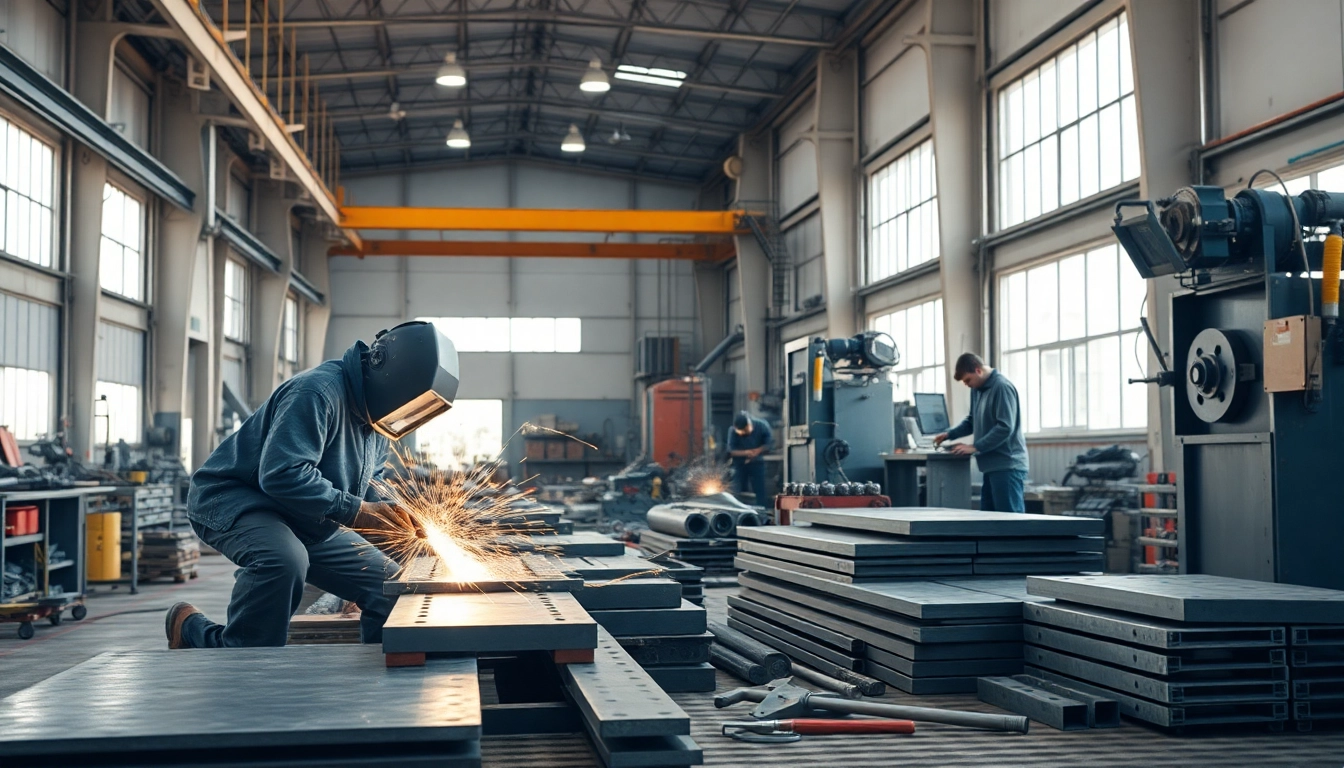
The steel fabrication shop is a dynamic and multifaceted environment where raw steel material is transformed into precise structures and components. Efficiency, safety, and quality are paramount in this arena, as fabricators work diligently to meet ever-evolving industry standards. A well-run steel fabrication shop ensures that not only are projects completed on time, but they also embody the precision that end-users expect. In this section, we will explore critical components in maintaining an effective and safe fabrication shop.
The Importance of a Clean Workspace
Maintaining a clean workspace in a steel fabrication shop is essential for multiple reasons. First, a tidy environment minimizes the risk of accidents, which can lead to injuries and costly downtime. Tools and materials that are organized not only enhance productivity but also ensure that workers can focus on their tasks without distractions.
Regular cleaning schedules should be established, incorporating the organization of tools, the disposal of scrap materials, and the maintenance of equipment. By fostering a culture of cleanliness, shops can promote safety and efficiency while ensuring compliance with industry regulations.
Safety Protocols in Steel Fabrication
Safety protocols are the backbone of an effective steel fabrication shop. Workers must be trained in the correct use of personal protective equipment (PPE), such as helmets, gloves, and goggles.
Moreover, regular safety drills should be conducted to prepare employees for emergencies, ensuring that everyone knows how to respond quickly and efficiently. Incorporating comprehensive training programs focused on identifying hazards and adhering to safety guidelines can significantly reduce workplace incidents.
Tools and Equipment Essential for Efficiency
Efficiency in a steel fabrication shop greatly depends on the availability and condition of tools and equipment. Key assets include cutting machines, welding stations, and finishing tools. Each piece of equipment should be regularly maintained and evaluated to ensure optimal performance.
Advancements in technology have led to more efficient equipment designs. Investing in state-of-the-art machinery can streamline operations and reduce processing time, ultimately enhancing productivity and profitability.
Key Processes in Steel Fabrication
Understanding the key processes in steel fabrication is crucial for optimizing production. Each process type plays a specific role and must be executed with precision to ensure quality and adherence to project specifications.
Cutting Techniques That Improve Productivity
In steel fabrication, cutting techniques are vital for shaping materials accurately. Common methods include laser cutting, plasma cutting, and waterjet cutting. Each technique offers unique benefits in terms of precision, speed, and versatility.
Laser cutting, for example, allows for intricate cuts with minimal material wastage, while plasma cutting is favored for thicker materials due to its speed. Choosing the right technique based on project requirements is essential for enhancing productivity and reducing costs.
Welding Methods Used in Industry Today
Welding remains a fundamental process in steel fabrication. There are various welding methods, including MIG (Metal Inert Gas), TIG (Tungsten Inert Gas), and stick welding. Each method caters to different applications based on material types, thickness, and desired end-strength.
Advancements such as robotic welding have introduced efficiencies, automating processes and reducing human error. Continual training on the latest welding techniques is imperative to maintain competitiveness in the industry.
Quality Control Standards in Fabrication
Quality control is paramount in ensuring that steel fabrication products meet specified standards. Implementing rigorous testing methodologies throughout the production process is essential for identifying potential issues before they escalate.
Common practices include visual inspections, mechanical testing, and compliance checks with industry standards such as ISO 9001. Establishing defined quality benchmarks not only enhances product reliability but also boosts customer trust and satisfaction.
Adopting Technology in Steel Fabrication Shops
Technological advancements are reshaping the steel fabrication landscape. Embracing innovation is crucial for staying ahead in an increasingly competitive market, leading to improved efficiency and reduced costs.
Introduction to Automation and Robotics
Automation and robotics have made significant inroads into steel fabrication, offering precision and speed previously unattainable through manual labor alone. Automated systems can perform repetitive tasks such as cutting and welding, thereby allowing human workers to focus on complex problem-solving tasks.
Integrating robots into the production line can result in higher throughput and reduced production times, significantly improving overall shop efficiency.
Software Solutions for Project Management
Project management software is becoming increasingly vital in streamlining operations within steel fabrication shops. With applications to aid scheduling, procurement, and inventory management, these systems promote better collaboration and resource allocation.
Utilizing software solutions fosters transparency in project timelines and helps identify bottlenecks, facilitating timely interventions to keep projects on track.
Benefits of CAD in Steel Design
Computer-Aided Design (CAD) software revolutionizes the way steel designs are created, allowing fabricators to visualize and modify designs quickly. CAD facilitates precision while reducing design errors, which can be costly in the fabrication process.
Moreover, CAD files can easily integrate with manufacturing machines, creating a seamless transition from design to production and further promoting efficiency.
Optimizing Workflow and Efficiency
Optimizing workflow in steel fabrication is a continuous process that demands attention to detail in various aspects of operations. By fostering a culture of efficiency, shops can significantly improve their productivity and output quality.
Lean Manufacturing Principles in Steel Fabrication
Adopting lean manufacturing principles can lead to dramatic improvements in efficiency. This philosophy focuses on reducing waste through streamlined processes and maximizing value by meeting customer needs effectively.
Tools such as value stream mapping can help identify inefficiencies, enabling managers to address them strategically and foster a more responsive production environment.
Employee Training and Skill Development
Continuous employee training is key to maintaining high standards within a steel fabrication shop. As methods and technologies evolve, ongoing training ensures that employees are equipped to utilize new tools and processes effectively.
Implementing a skills development program can enhance employee satisfaction and retention, leading to a more skilled workforce that can adapt to changing industry demands.
Streamlining Supply Chain Management
Effective supply chain management is crucial for ensuring that materials are available when needed, thereby minimizing downtime. Building strong relationships with suppliers can ensure timely delivery and consistent quality of materials.
Utilizing inventory management software can also streamline the supply chain by tracking stock levels and predicting inventory needs, allowing a fabrication shop to maintain optimal operational levels.
Future Trends in the Steel Fabrication Industry
As technology and consumer demands evolve, staying informed about future trends in the steel fabrication industry is essential for sustained success. Recognizing these trends can provide a competitive edge and allow better strategic planning.
The Role of Sustainability in Fabrication
Increased emphasis on sustainability is reshaping the steel fabrication industry. Companies are exploring eco-friendly materials, minimizing waste through recycling initiatives, and implementing energy-efficient practices in their operations.
Embracing sustainability not only satisfies customer demand for environmentally conscious practices, but it can also lead to cost savings over time, positioning firms favorably in a competitive market.
Emerging Technologies to Watch Out For
From 3D printing to advanced predictive analytics, emerging technologies are set to transform steel fabrication. These innovations can enhance product customization, optimize resource management, and improve operational efficiencies.
Staying abreast of these technologies is essential for fabricators aiming to remain relevant and competitive in a rapidly evolving landscape.
Market Innovations and Consumer Demands
As consumer demands continue to shift, the steel fabrication industry must adapt swiftly to stay ahead. Innovations in manufacturing processes and materials will be essential to meet these new expectations.
Engaging with customers to gather insights on preferences and requirements can provide valuable perspectives, enabling companies to tailor their offerings effectively.
FAQs
What is steel fabrication?
Steel fabrication is the process of transforming raw steel into finished products and components through various techniques such as cutting, welding, and assembling.
How important is safety in a steel fabrication shop?
Safety is crucial in a steel fabrication shop to prevent accidents, injuries, and fatalities. Implementing strict safety protocols and training is imperative for worker protection.
What are common cutting techniques used in steel fabrication?
Common cutting techniques include laser cutting, plasma cutting, and waterjet cutting. Each offers unique advantages depending on material type and project requirements.
How can technology improve steel fabrication processes?
Technology enhances steel fabrication processes through automation, CAD software, and project management tools, leading to increased efficiency, accuracy, and productivity.
What is lean manufacturing in steel fabrication?
Lean manufacturing focuses on minimizing waste while maximizing value, promoting efficiency. It utilizes tools and strategies to streamline operations and improve production processes.