Security Systems Explained: What to Know Before Buying
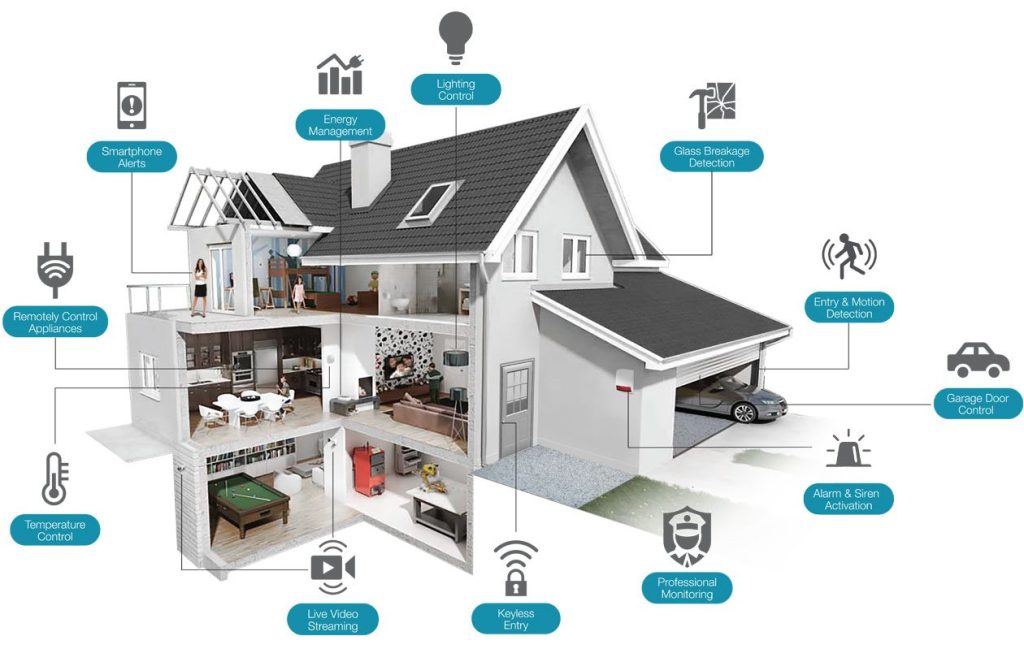
In today’s world, keeping your home or business safe is more important than ever. Security Systems are no longer optional; they are essential tools that protect your property, valuables, and loved ones. Whether you are new to security technology or looking to upgrade, understanding Security Systems is critical. This article explores everything you need to know before buying a system, making it easier to choose the right one for your needs.
Understanding Security Systems
What Are Security Systems?
Security Systems are a combination of devices and technologies designed to detect, prevent, and respond to unauthorized access, theft, or emergencies. These systems can be as simple as a door alarm or as complex as a full-scale smart system integrating cameras, sensors, and remote monitoring.
Why Security Systems Are Important
Security Systems protect not only your physical property but also your peace of mind. For example, a home security system can alert you and local authorities during a break-in, while a business security system can prevent theft and ensure employees are safe. Investing in a reliable system reduces risk and can even lower insurance costs.
Types of Security Systems
Wired vs. Wireless Security Systems
Wired Security-Systems are connected through physical cables. They are typically more reliable, with fewer interruptions, but require professional installation and may be less flexible.
Wireless Security-Systems use Wi-Fi or radio signals to communicate between devices. They are easier to install, can be expanded as needed, and often come with mobile apps for remote monitoring.
Smart Security Systems
Smart Security-Systems integrate with your smartphone or smart home devices. You can receive alerts, control cameras, lock doors, and even automate routines remotely. For instance, some systems can turn on lights when motion is detected, simulating occupancy to deter burglars.

Key Features to Look For
Cameras and Video Surveillance
Cameras are the most visible part of Security-Systems. Modern cameras provide HD video, night vision, and cloud storage. Consider whether you need indoor cameras, outdoor cameras, or both. For example, outdoor cameras are weather-resistant and often include motion detection alerts.
Sensors and Alarms
Sensors detect movement, door or window openings, smoke, and even water leaks. Alarms notify you and sometimes authorities of suspicious activity. A well-placed sensor system can prevent incidents before they escalate.
Monitoring Services
Security-Systems may offer professional monitoring, where trained personnel respond to alerts. Alternatively, self-monitoring allows you to receive notifications directly on your smartphone. Professional monitoring may add monthly costs but provides immediate response in emergencies.
Choosing the Right Security System
Assess Your Needs
Before buying a system, evaluate the size of your property, the level of protection required, and your budget. For example, a small apartment may only need a basic wireless system, while a large house or office building may require a full smart Security System with cameras and sensors.
Consider Installation and Maintenance
Some Security-Systems require professional installation, while others are DIY-friendly. Make sure you understand the setup process and any ongoing maintenance. Battery life, software updates, and device compatibility are important factors that affect system reliability.
Budget Considerations
Security Systems vary widely in cost. While it might be tempting to choose the cheapest option, investing in a system with robust features often saves money and stress in the long term. Compare initial costs, monitoring fees, and potential upgrades before making a decision.
Real-Life Examples and Case Studies
Home Security Success Stories
In a recent case, a family in Denver prevented a break-in because their smart Security System alerted them to unusual movement outside their home. They contacted authorities within minutes, and the intruders were apprehended.
Business Security Case Study
A small retail store in Vancouver installed a combination of cameras and sensors. When a potential theft occurred, the system notified the owner remotely, and the footage helped law enforcement identify the suspect. These examples highlight the practical benefits of Security-Systems in everyday situations.
Future Trends in Security Systems
AI and Automation
Artificial Intelligence is transforming Security Systems by enabling advanced threat detection, facial recognition, and predictive alerts. This technology helps distinguish between harmless activity and potential security breaches.
Integration with Smart Homes
Future Security-Systems will increasingly integrate with smart home ecosystems. From smart locks to automated lighting, these systems provide convenience, enhanced safety, and real-time monitoring from anywhere in the world.
Conclusion
Security Systems are essential tools for protecting homes, businesses, and loved ones. Choosing the right system requires understanding the types, features, and monitoring options available. Whether you opt for a wired, wireless, or smart system, investing in quality equipment and thoughtful planning can prevent theft, damage, and emergencies. By assessing your needs, considering installation and maintenance, and learning from real-life examples, you can make an informed decision that ensures long-term safety and peace of mind. We’ve designed our homepage to help you find what you need faster.
FAQs
What is the best type of Security System for a small home?
For small homes, wireless Security Systems are ideal due to their ease of installation and flexibility. They can be expanded over time and controlled via mobile apps.
Are professional monitoring services necessary?
Professional monitoring is not mandatory but highly recommended. It ensures that alerts are responded to promptly, which can be crucial in emergencies and can sometimes lower insurance costs.
Can Security Systems prevent all types of theft?
While Security Systems significantly reduce risks, no system can guarantee complete prevention. Combining cameras, sensors, alarms, and safe practices provides the best protection against theft and unauthorized access.