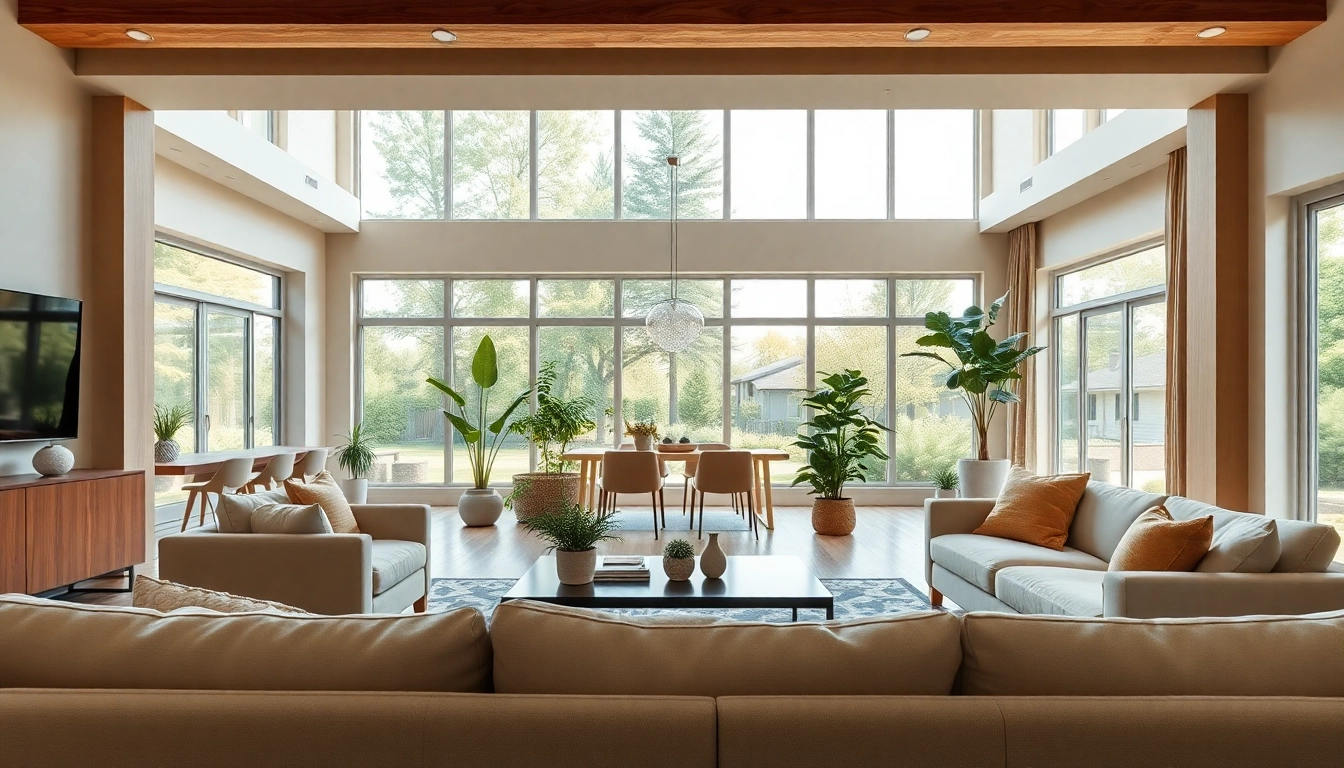
Timber frame construction is a remarkable technique that has stood the test of time, blending aesthetic appeal with structural integrity. The essence of timber frame solutions lies in their ability to create sustainable and resilient structures that are both aesthetically pleasing and functional. This comprehensive guide aims to delve into the world of timber frame solutions, covering everything from basic principles to advanced installation techniques, and providing insights into how to effectively manage timber frame projects.
Understanding Timber Frame Solutions
What Are Timber Frame Solutions?
Timber frame solutions encompass a range of construction techniques that utilize large, heavy timber beams and posts to create a building’s structural framework. This method not only supports the weight of the building but also allows for open and spacious designs that can enhance livability. Timber frame solutions come in various forms, including post-and-beam constructions, which are characterized by their distinct aesthetic appeal and strength.
Benefits of Timber Frame Structures
Timber frame structures offer several benefits that contribute to their popularity among builders and homeowners alike. These include:
- Eco-Friendliness: Timber is a renewable resource, making timber frame solutions a sustainable choice for eco-conscious builders.
- Energy Efficiency: Well-insulated timber frames can significantly reduce heating and cooling costs.
- Aesthetic Appeal: The natural beauty of wood provides a timeless aesthetic that can be tailored to any architectural style.
- Structural Integrity: Timber frames are known for their strength and resilience, often lasting for generations.
- Design Flexibility: Timber framing allows for creative architectural designs, giving builders and homeowners the freedom to innovate.
Timber Frame Construction Methods
There are several construction methods employed in timber frame solutions, each suited for different applications:
- Traditional Timber Framing: Involves mortise and tenon joints, creating a robust framework that has been used for centuries.
- Engineered Timber: Utilizes laminated veneer lumber (LVL), glulam beams, and cross-laminated timber (CLT) for enhanced performance and stability.
- Modular Timber Framing: Prefabricated components are manufactured off-site and assembled on-site for quicker construction times.
- Hybrid Systems: Combining timber frame solutions with other materials such as steel or concrete to enhance structural benefits.
Choosing the Right Type of Timber Frame Solutions
Different Styles and Designs
When selecting timber frame solutions, various styles and designs should be considered to ensure that they complement the intended function and aesthetics of the building:
- Post and Beam: Provides a rustic appearance, ideal for barns, pavilions, and residential homes.
- Open-Frame: Allows for flexible, open interior spaces and is suitable for modern designs.
- Curvilinear Forms: Innovative designs that incorporate curves can enhance visual appeal.
- Timber-Frame with SIPs: Combining structural insulated panels (SIPs) with timber framing for enhanced energy efficiency.
Material Selection for Durability
Choosing the right timber type is critical for the longevity and performance of timber frame structures. Commonly used woods include:
- Douglas Fir: Known for its strength and durability, often used in structural applications.
- Cedar: Naturally resistant to decay, making it ideal for outdoor applications.
- Oak: Strong and sturdy, oak is favored for its aesthetic qualities and longevity.
- Pine: A popular and cost-effective choice for various timber frame solutions.
Eco-Friendly Timber Frame Options
For builders looking to minimize their environmental footprint, eco-friendly timber frame options include:
- Sustainably Sourced Timber: Ensure that the timber is sourced from certified forests, promoting responsible forestry practices.
- Reclaimed Wood: Using salvaged wood not only reduces waste but also adds character to the structure.
- Natural Finishes: Opting for eco-friendly stains and finishes can reduce harmful chemicals and improve indoor air quality.
Planning Your Timber Frame Project
Project Assessment and Budgeting
A well-planned project is crucial to the success of any timber frame solution. Start by defining the project scope and setting a budget that includes materials, labor costs, and contingencies for unexpected expenses. Consider factors such as:
- Site conditions and accessibility that may affect construction timelines.
- Completion dates to align with other project elements.
- Long-term costs associated with maintenance and potential upgrades.
Permits and Regulations
Before beginning any construction, understanding local building codes and obtaining the necessary permits is essential. This may involve:
- Consulting with local authorities to ensure compliance with zoning regulations.
- Submitting designs for approval, ensuring that they meet safety and zoning laws.
- Addressing any neighborhood concerns early in the planning process.
Hiring Professionals or DIY: Making the Decision
The decision to hire professionals or embark on a DIY project can significantly impact the outcome. Factors to consider include:
- Your level of experience with timber framing and construction in general.
- The complexity and size of the project.
- Your willingness to invest the necessary time for training and execution.
Consulting with a professional can often lead to a more seamless project, while a DIY approach can be rewarding and cost-effective for smaller builds.
Installation of Timber Frame Solutions
Preparation and Foundation Work
Before installing timber frame solutions, proper preparation is key. This includes:
- Preparing the site by clearing any debris and leveling the ground.
- Laying a solid foundation, customized to the specific needs of the timber structure.
- Considering installation timelines based on weather conditions to avoid delays.
Assembly Techniques
The assembly of timber frames requires precision and attention to detail. Effective techniques involve:
- Pre-assembly: Components are often pre-cut and fitted off-site before final assembly.
- Connection Hardware: Utilizing appropriate connection systems to ensure stability and strength.
- Team Coordination: Ensuring that the construction team communicates effectively to mitigate errors during assembly.
Common Challenges and Solutions
Like any construction project, timber frame solutions come with their unique set of challenges, including:
- Material Warping: Can be alleviated through proper storage and acclimatization of the timber.
- Weather Delays: Having a contingency plan for inclement weather can prevent schedule setbacks.
- Precision Errors: Implementing a meticulous checking system during assembly to minimize mistakes.
Maintenance and Sustainability of Timber Frame Solutions
Care Tips for Longevity
To maximize the lifespan of timber frame solutions, regular maintenance is essential:
- Regular inspections for signs of damage, decay, or insect infestation.
- Timely application of protective finishes and coatings to shield the wood from moisture damage.
- Implementing ventilation solutions in enclosed spaces to minimize dampness.
Upgrading and Renovation Options
Over time, even well-constructed timber frames may require upgrades or renovations:
- Reinforcing structural connections to enhance stability.
- Updating insulation to improve energy efficiency.
- Incorporating modern technologies for heating, cooling, and air quality control.
Evaluating Environmental Impact
To assess the environmental impact of timber frame solutions, consider:
- The source of timber and any certifications that verify sustainable practices.
- The energy efficiency of the building as it relates to long-term operating costs.
- The potential for carbon footprint reduction through eco-friendly building practices.
FAQs
What types of buildings can use timber frame solutions?
Timber frame solutions can be utilized for various buildings including homes, pavilions, garages, and commercial structures, offering great design flexibility.
How long do timber frame buildings last?
With proper maintenance, timber frame buildings can last for decades, often surpassing the lifespan of conventional structures.
Are timber frame solutions energy efficient?
Yes, timber frame structures can be very energy efficient, particularly when properly insulated and sealed, reducing heating and cooling costs.
What are the common timber types used?
Common types include Douglas Fir, Cedar, Oak, and Pine, each selected for durability, strength, and aesthetic appeal.
Is a professional necessary for timber frame installation?
A professional can ensure precise assembly and compliance with building codes, but experienced DIY enthusiasts may also successfully manage smaller projects.