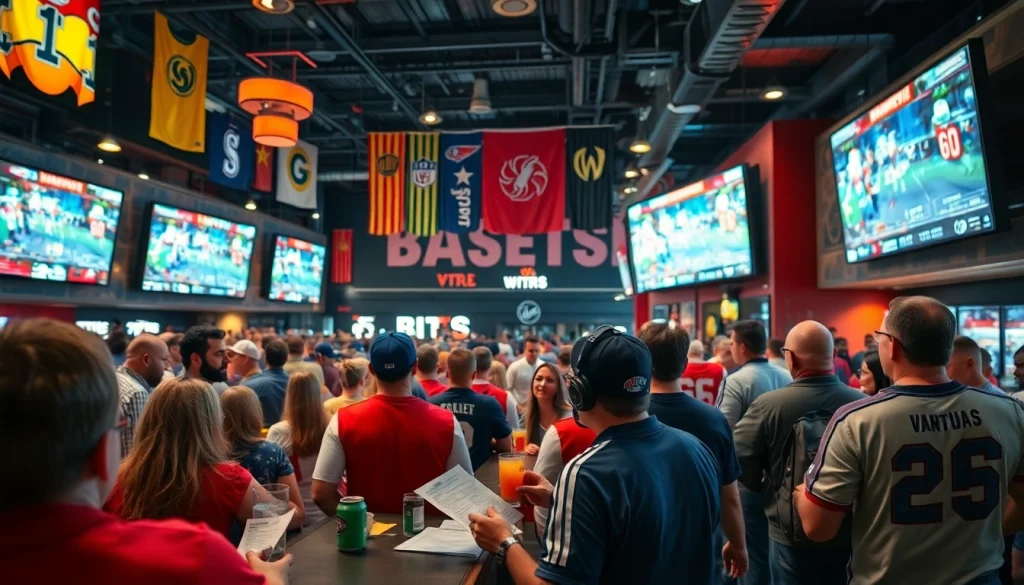
Overview of Sports Betting in Oklahoma
As the landscape of gambling continues to evolve across the United States, sports betting in Oklahoma stands as a topic of ongoing interest and debate. Despite the thriving gambling industry in the state, which includes lotteries, horse racing, and casinos, Oklahoma remains one of the few states where sports betting is not yet legalized. This article aims to provide a comprehensive overview of the current state of sports betting in Oklahoma, its historical context, regulatory challenges, alternative betting options, and the potential economic impact of legalization.
The Current Legal Landscape
Oklahoma’s legal framework for gambling primarily revolves around tribal gaming. The state has created a unique environment where tribal casinos are legal and operate under specific compacts with the state government. However, sports betting has not been included in these compacts, resulting in Oklahoma being one of the 11 states without legalized sports betting. This legal ambiguity leaves many Oklahomans interested in sports betting to seek offshore options to place their bets.
Historical Context of Betting Laws
To understand the current situation regarding sports betting in Oklahoma, it’s essential to explore the state’s history with gambling legislation. The initial push for legalized gambling in Oklahoma dates back to the early 2000s, when tribes were granted the ability to offer certain games. Over the years, various measures and proposals have been introduced to expand these rights, including the potential for sports betting, yet none have successfully garnered the necessary legislative support.
Recent Developments in Legislation
Recent years have seen a renewed push for sports betting legislation, especially in light of the Supreme Court’s decision to allow states to legalize sports betting in 2018. Despite several attempts, including proposals aimed at creating a regulatory framework for sports betting, progress has been slow, primarily due to disagreements among tribal leaders and state lawmakers regarding the terms of any potential agreement. Efforts to bring sports betting to Oklahoma continue to evolve, with advocates emphasizing the potential revenue and economic benefits it could provide.
Understanding the Regulatory Challenges
Tribal Gaming Compacts Explained
Tribal gaming compacts serve as the backbone of gambling regulation in Oklahoma. These agreements, established between the state and the 38 federally recognized tribes, govern the operation of casinos and other gaming forms. Any attempt to legalize additional gambling options, such as sports betting, must navigate this intricate web of tribal interests and legal obligations. Most tribes are protective of their gaming revenue and have expressed concerns about how sports betting would affect their existing operations.
Role of State Legislation
The Oklahoma state legislature holds significant power when it comes to the legalization and regulation of sports betting. Lawmakers must weigh the economic benefits of legalized sports betting against the concerns of tribal nations and other stakeholders. In recent sessions, various proposals have been introduced, ranging from limited in-person sports betting at casinos to broader statewide legalization. However, achieving consensus among all parties remains a significant hurdle.
Public Opinion and Its Impact
Public sentiment plays an increasingly vital role in shaping the future of sports betting in Oklahoma. Polls have shown substantial support for legalization among residents, particularly among younger demographics and sports enthusiasts. However, this public backing has not yet translated into political will among lawmakers, who continue to grapple with the complexities of tribal agreements and regulatory frameworks. Advocacy efforts are ongoing to harness public support and push for change in the state’s legislative approach to sports betting.
Alternative Betting Options Available
Offshore Sportsbooks and Their Popularity
With no legal sports betting platforms available within the state, many Oklahomans have turned to offshore sportsbooks. These online platforms allow residents to place bets on various sporting events but operate outside of U.S. regulations, creating a level of risk for bettors. Popular options include well-established offshore sites that have gained a reputation for reliability. However, this avenue raises concerns about security and the legality of betting engagement.
Daily Fantasy Sports in Oklahoma
Daily fantasy sports (DFS) provide an alternative route for sports fans in Oklahoma to engage in betting-like activities legally. Many Oklahomans participate in DFS contests, where entrants create fantasy sports teams and compete for cash prizes based on the real-time performance of players. While DFS is often viewed as a different form of gaming, its popularity highlights the demand for expanded betting options within the state.
Online Betting Trends and Insights
Online betting trends reveal a growing interest in sports wagering as consumers seek convenience and accessibility. While Oklahoma currently lacks a legal framework for online sports betting, the broader national landscape shows a shift towards legalization. Residents express a desire for regulated online platforms that would provide a safe, competitive environment for sports betting, similar to what other states have successfully implemented.
Potential Economic Impact of Legalization
Projected Revenue from Sports Betting
Legalization of sports betting in Oklahoma could generate significant revenue streams for the state. Projections suggest that the state could see millions of dollars annually from taxes on sports betting revenue, which could be allocated to crucial public services such as education and infrastructure. The potential economic uplift appeals to many legislators and advocates, painting a persuasive picture of what legalization might achieve.
Job Creation in the Betting Sector
Alongside the fiscal benefits, the legalization of sports betting could spur job creation within Oklahoma. A regulated sports betting market would necessitate staffing for operators, regulatory bodies, and ancillary businesses. These jobs could provide a much-needed boost to the local economy, particularly in a state that already relies heavily on tourism and entertainment industries.
Effect on Local Businesses
Legal sports betting could also have positive ripple effects on local businesses, particularly those involved in the hospitality and entertainment sectors. Increased foot traffic from sports betting patrons could lead to higher sales for restaurants, bars, and hotels near gaming establishments. As the market matures, local businesses can leverage betting-related events and promotions to capture additional revenues.
Future of Sports Betting in Oklahoma
Legislative Proposals on the Horizon
Looking forward, various legislative proposals are anticipated in upcoming sessions aimed at legalizing sports betting. These proposals will likely seek to address existing concerns while engaging stakeholders from tribal nations to state lawmakers. The success of these efforts will be predicated on finding common ground that respects tribal sovereignty while enhancing state revenue through taxation and regulation.
Advocacy Groups and Their Efforts
Advocacy groups play a crucial role in pushing for change within the state’s approach to sports betting. These organizations seek to educate the public and lawmakers about the benefits of legalization, focusing on potential economic impacts and personal freedoms. Mobilizing grassroots efforts is essential for maintaining momentum and pressure on legislators to consider legalization measures earnestly.
Predictions for Upcoming Legislative Sessions
As Oklahoma prepares for future legislative sessions, experts predict an increasing urgency around the topic of sports betting. With neighboring states legalizing sports betting and reaping economic benefits, Oklahoma lawmakers will likely face continued pressure. Observers anticipate an intensified debate that may lead to breakthrough legislation in the coming years as the state seeks to modernize its gaming laws.
Frequently Asked Questions
Is sports betting legal in Oklahoma?
No, sports betting is not currently legal in Oklahoma. While there is strong public interest, no legislative measures have yet passed to establish a legal framework.
What are the alternatives for betting in Oklahoma?
Residents can participate in daily fantasy sports (DFS) or utilize offshore sportsbooks, though both carry legal considerations and risks.
How does tribal gaming affect sports betting legislation?
Tribal gaming agreements significantly influence sports betting legislation, as any new betting options must align with existing tribal rights and regulations.
What economic benefits could sports betting bring to Oklahoma?
Legal sports betting could generate new tax revenues, create jobs in the betting and hospitality sectors, and boost local businesses through increased traffic.
Are there ongoing efforts to legalize sports betting?
Yes, advocacy groups and certain lawmakers are actively pushing for the legalization of sports betting in Oklahoma, focusing on the potential revenues and public support for change.