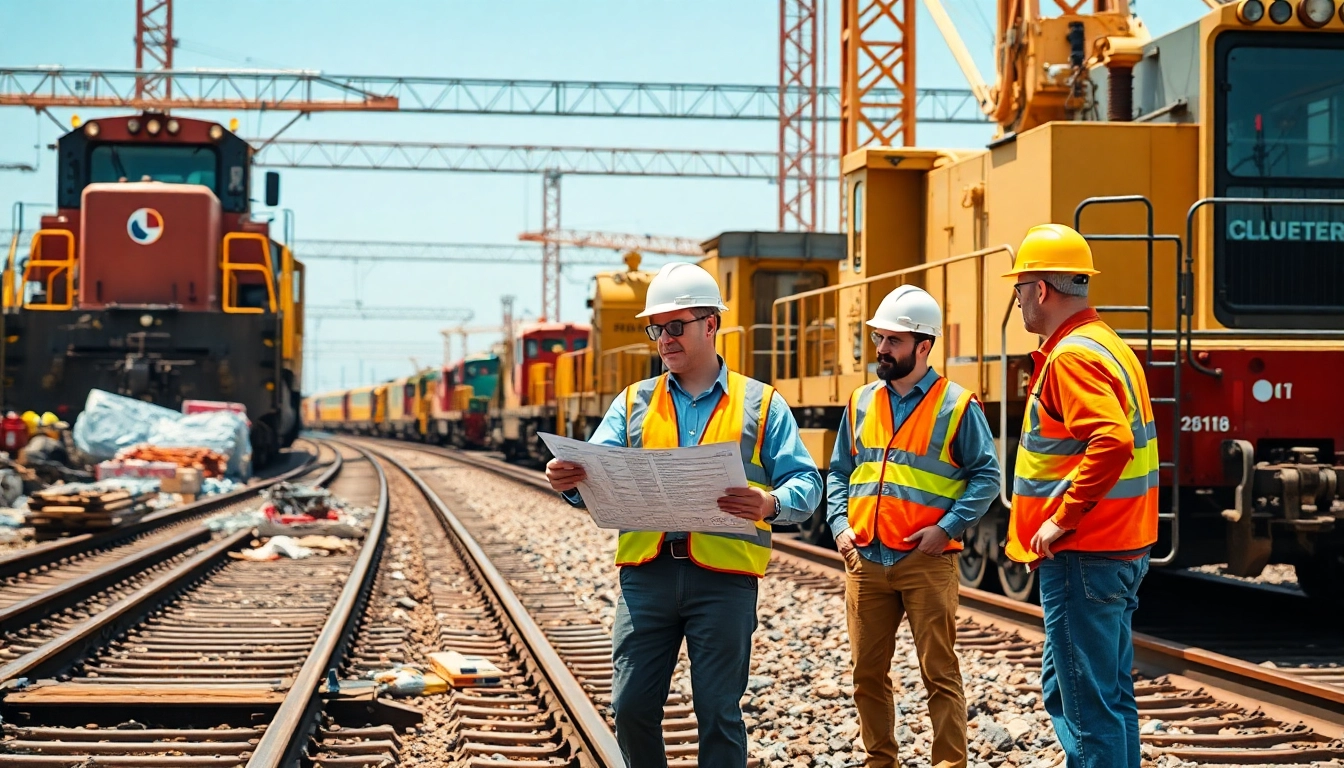
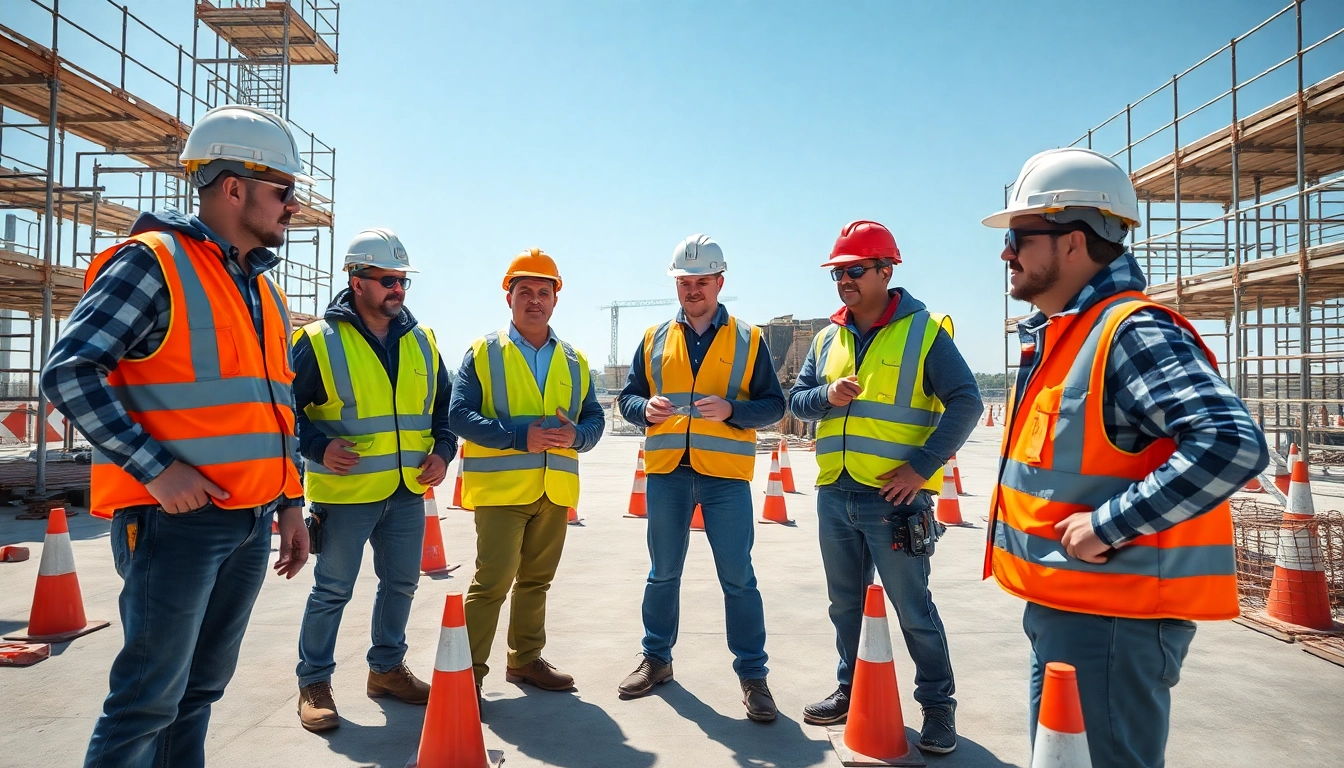
Understanding the Importance of Railway Maintenance
The Role of Railway Maintenance in Safety
Railway maintenance is essential for the safe operation of rail systems. Ensuring that tracks, signals, and the rolling stock are in optimal condition prevents accidents and enhances the safety of passengers and freight. Regular assessments and repairs mitigate risks associated with equipment failures, which could lead to derailments or other serious incidents. Adequate maintenance practices help outline the safety culture within organizations, fostering an environment of professionalism where safety is prioritized. By integrating reliable maintenance schedules, organizations can track the integrity of their infrastructure and equipment, ensuring compliance with safety regulations.
Economic Impact of Regular Maintenance
Investing in railway maintenance yields significant economic benefits. Regular maintenance ensures fewer service disruptions, thereby improving reliability, which is crucial for customer satisfaction. When trains are punctual, it enhances the overall efficiency of the transportation system, driving greater usage and, subsequently, revenue. Moreover, maintenance practices minimize costly repairs and extend the lifespan of railway assets. Long-term strategies that prioritize maintenance can lead to lower operational costs and increased financial stability for rail companies.
Overview of Maintenance Practices
Railway maintenance encompasses various practices such as track inspection, equipment servicing, and more. Preventive maintenance, which includes regular inspections and performance assessments, is vital for identifying issues before they escalate. Corrective maintenance deals with fixing equipment failures. Additionally, predictive maintenance, aided by technology, foresees failures and schedules repairs proactively. Each practice plays an integral part in ensuring the railway system operates smoothly, efficiently, and safely.
Key Components of Railway Maintenance
Track Inspection Techniques
Track inspections are a fundamental aspect of railway maintenance. Various techniques, such as visual inspections, ultrasonic testing, and geometry measurement, are employed to assess track conditions. Drones and smart sensors are also becoming popular, allowing for easier and safer inspections of hard-to-reach areas. These technologies provide quantifiable data that help in diagnosing track conditions, leading to more informed maintenance decisions.
Equipment Used in Railway Maintenance
The tools and machinery utilized in railway maintenance are crucial for conducting effective and efficient repairs. Track maintenance machines like rail grinders and ballast regulators refine track stability and longevity. Additionally, automated inspection vehicles equipped with advanced sensors provide detailed reports on track conditions. Regular updates and innovations in machinery ensure that maintenance practices keep pace with advancements in technology.
Maintenance Scheduling Best Practices
Establishing a structured maintenance schedule is essential. Best practices include the use of Computerized Maintenance Management Systems (CMMS) to efficiently track and manage maintenance tasks. Scheduling should also prioritize critical areas and be flexible enough to adjust for unexpected repairs. Furthermore, integrating feedback from maintenance crews helps refine scheduling processes, ensuring that they align with real-world conditions and enhance maintenance efficiency.
Advanced Railway Maintenance Strategies
Technology Integration in Maintenance Processes
Modern railway maintenance is increasingly reliant on technology. GPS tracking and RFID tags have optimized asset management while big data analytics allows companies to draw insights from vast amounts of operational data. These technologies enhance predictive maintenance capabilities by identifying patterns that indicate potential failures, leading to more strategic maintenance interventions that minimize downtime and improve efficiency.
Predictive Maintenance vs. Reactive Maintenance
The distinction between predictive and reactive maintenance is vital in railway operations. Predictive maintenance utilizes data analytics and condition monitoring to foresee equipment failures, while reactive maintenance occurs in response to unexpected breakdowns. The former is more cost-effective and reduces operational disruptions. By investing in predictive strategies, organizations can significantly improve maintenance schedules and resource allocation, profoundly impacting overall performance and safety.
Case Studies of Successful Maintenance Implementation
Several successful implementations of advanced maintenance strategies have been noted worldwide. For instance, certain railway networks that integrated predictive analytics have reported up to a 25% reduction in maintenance costs and improvements in equipment reliability. These case studies illustrate the economic and operational advantages of adopting a proactive approach in maintenance practices. Analyzing successes can provide comprehensive insights into effective strategies that can be emulated.
Challenges in Railway Maintenance
Common Issues Faced in Railways
Railway systems face various challenges that can hinder maintenance processes. Inadequate funding for maintenance practices often leads to deferred repairs, increasing the risk of accidents. Additionally, bureaucratic hurdles in regulatory compliance can slow down necessary updates. Environmental factors, such as extreme weather, also pose challenges that necessitate a thorough understanding of the risks and strategic planning.
How to Overcome Maintenance Challenges
To combat the challenges faced in railway maintenance, organizations should prioritize funding allocation to maintenance practices, monitoring resource use rigorously. Implementing flexible maintenance schedules that can adapt to changing conditions ensures that critical tasks are performed timely. Furthermore, engaging with regulatory bodies can facilitate smoother compliance processes, enabling quicker project execution.
Regulatory Compliance and Maintenance
Regulatory compliance is a critical factor in railway maintenance. Organizations must adhere to local and international regulations that govern safety and environmental considerations. Establishing internal compliance teams to monitor and implement these standards helps safeguard against legal repercussions while enhancing operational integrity. Regular audits and training for maintenance personnel will assist in ensuring that compliance is continuously met.
Measuring the Effectiveness of Railway Maintenance
Key Performance Indicators for Maintenance Success
Establishing key performance indicators (KPIs) is essential for measuring maintenance effectiveness. KPIs such as mean time between failures (MTBF), maintenance cost per mile, and inspection cycle times provide tangible metrics to gauge performance. By continuously analyzing these indicators, organizations can improve their maintenance strategies, ensuring they are both efficient and effective.
Feedback Loops in Maintenance Practices
Integrating feedback loops into maintenance processes fosters continuous improvement. Collecting insights from on-ground maintenance teams about challenges they face and successes they achieve can lead to enhanced practices. Regularly reviewing and updating maintenance procedures help embed a culture of learning within organizations, where best practices are shared and adopted.
Future Trends in Railway Maintenance Metrics
The future of railway maintenance metrics is shifting toward enhanced data utilization. As technologies advance, organizations will increasingly monitor real-time data, enabling them to analyze performance instantaneously. Artificial intelligence and machine learning will play larger roles in predicting equipment failures and optimizing maintenance schedules. Embracing these trends will ensure that railway systems remain robust and reliable.
FAQs About Railway Maintenance
What is railway maintenance?
Railway maintenance involves routine checks, repairs, and inspections necessary for safely operating trains and maintaining railway infrastructure.
Why is railway maintenance important?
It ensures the safety of passengers and freight, minimizes downtime, reduces operational costs, and enhances the lifespan of the railway assets.
What are common railway maintenance practices?
Common practices include track inspections, equipment servicing, cleaning, and employing both preventive and corrective maintenance strategies.
How can technology improve railway maintenance?
Technologies like data analytics, sensors, and automated inspection vehicles enhance predictive maintenance, improve accuracy, and reduce downtime.
What are KPIs in railway maintenance?
KPIs are metrics like mean time between failures and maintenance costs per mile, used to measure the effectiveness and efficiency of maintenance activities.