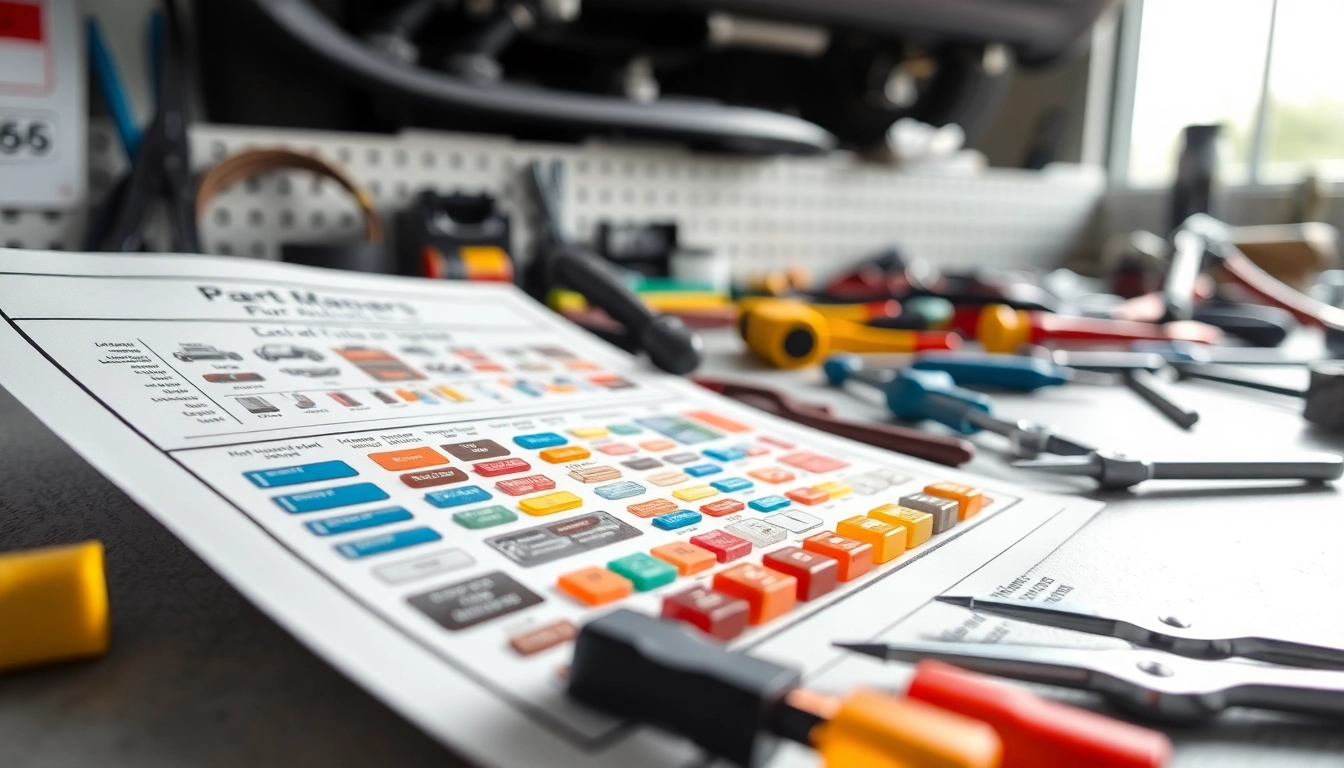
Introduction to Car Fuses
Car fuses play a critical role in the electrical system of your vehicle, acting as protective devices that safeguard various electrical components from overloads and surges. Understanding how car fuses work, identifying issues related to them, and effectively replacing them can enhance your car’s performance and safety. In this guide, we will delve deep into the essential information about car fuses that every vehicle owner should know. For more comprehensive resources on fuses and their applications, visit https://bezpieczniki24.pl.
What Are Car Fuses?
Fuses are electrical components designed to interrupt the flow of current in the event of an overload. They are crucial for protecting electrical circuits in your vehicle. When an electrical component draws more current than the fuse can handle, the internal metal wire inside the fuse melts, breaking the circuit and preventing damage to the wiring and electrical devices. Fuses come in various types, sizes, and ratings, depending on their specific function in a vehicle’s electrical system.
Importance of Car Fuse Functionality
The functionality of car fuses cannot be overstated. They ensure that electrical components only receive a safe amount of current. Without fuses, your car’s wiring may overheat, potentially leading to electrical fires, equipment failure, or significant damage to the vehicle’s electrical framework. Regular checks and maintenance of these components are pivotal in ensuring not just the safety of the vehicle itself but also the wellbeing of its occupants.
Common Types of Fuses in Vehicles
There are mainly three types of fuses used in automotive applications:
- Blade Fuses: The most common type of fuse, characterized by a plastic body and two metal prongs. They come in various amperage ratings, typically between 5 to 40 amps.
- Tube Fuses: These are cylindrical and often used in older vehicles. They can be glass or ceramic and require a replacement of the entire fuse should it blow.
- Resettable Fuses: Also known as polyfuses, these automatically reset after they have cooled down, making them convenient for use in various electronic devices.
How to Identify a Fuse Problem
Being able to recognize the signs of a failing fuse is critical for timely intervention. Below are some methods for diagnosing fuse-related problems.
Signs Your Fuse May Be Damaged
There are several indicators that a fuse may be damaged:
- Electrical Components Not Working: If specific features in your vehicle stop functioning—such as lights, radio, or power windows—it may indicate a blown fuse.
- Flickering Lights: If your interior lights or headlights flicker or dim unexpectedly, it’s likely a sign of insufficient current due to a fault.
- Burnt Smell or Visible Damage: A burnt smell or visible damage to a fuse holder can indicate overheating or a blown fuse needing attention.
Using a Multimeter for Fuse Testing
One of the best methods for testing a fuse is to use a multimeter. Here’s a simple step-by-step guide:
- Set your multimeter to the continuity setting.
- Remove the fuse from the holder.
- Touch the multimeter probes to the fuse terminals.
- If the multimeter beeps or displays continuity, the fuse is fine. If not, it’s blown and needs to be replaced.
Reading Fuse Ratings and Specifications
Fuses come with markings that indicate their rating, typically found on the plastic casing. These ratings are crucial to avoid using a fuse with an incorrect amperage, which can lead to catastrophic failures. Always ensure to consult your vehicle’s owner manual to find the recommended fuse ratings for different circuits.
Step-by-Step Guide to Replacing a Car Fuse
Knowing how to replace a blown fuse is an invaluable skill for car owners. The following steps outline the process safely and effectively.
Tools You Will Need for Fuse Replacement
Before proceeding to replace a fuse, gather the necessary tools:
- Fuse puller or needle-nose pliers
- Replacement fuses (correct rating)
- Multimeter (optional, for testing)
Step-by-Step Replacement Process
- Turn Off the Vehicle: Ensure the ignition is off to prevent any electrical shock or short circuit.
- Locate the Fuse Box: This is typically found under the dashboard, in the engine compartment, or in the trunk, depending on the vehicle model.
- Identify the Blown Fuse: Refer to the fuse box diagram to find the specific fuse associated with the malfunctioning electrical component.
- Remove the Blown Fuse: Using a fuse puller or pliers, carefully extract the damaged fuse from its holder.
- Insert the New Fuse: Ensure the new fuse matches the rating of the old one. Insert it securely back into the holder.
- Test the Component: Switch the ignition back on and check that the previously faulty component is operational again.
Safety Tips While Handling Fuses
When dealing with fuses, it’s crucial to prioritize safety. Here are some useful tips:
- Always turn off the ignition before working on the electrical system of your vehicle.
- Use insulated tools to minimize the risk of electrical shock.
- Never replace a fuse with one of a higher amperage rating.
- Inspect the fuse box for any corrosion or loose connections before replacing fuses.
Diagnosing Electrical Issues Related to Fuses
Not all electrical problems are due to blown fuses. Understanding the potential causes of electrical issues is essential for effective troubleshooting.
Common Electrical Problems Linked to Fuses
Some common issues that may be associated with fuses include:
- Short Circuits: Caused when wires touch unexpectedly, leading to excessive current flow that blows fuses.
- Faulty Wiring: Damaged or worn-out wiring can lead to electrical failures and may blow fuses regularly.
- Defective Electrical Components: Failing devices—such as motors or switches—can draw too much current, resulting in a blown fuse.
When to Consult a Professional Mechanic
If you find yourself frequently replacing fuses, it might indicate a more serious underlying issue. If you are unsure how to proceed or if the problem persists after replacing fuses, it’s advisable to consult a professional mechanic for a comprehensive diagnostic.
Understanding Manufacturer Fuse Specifications
Each vehicle manufacturer has specific standards for fuse ratings and applications. Familiarizing yourself with your vehicle’s specifications can help prevent using the wrong fuses or engaging in incorrect repairs, ensuring a safer driving experience.
Resources and Further Reading on Car Fuses
To become more proficient in managing your vehicle’s electrical system, consider exploring the following resources:
Recommended Guides for Car Owners
- Owner’s Manual: Always keep your vehicle’s owner manual handy for reference on fuses and their ratings.
- Automotive Repair Books: Consider reading books that focus on automotive maintenance and electrical systems.
Useful Online Tools and References
Numerous online platforms can provide valuable information on vehicle maintenance:
- Online Forums: Engage with automotive communities for personal experiences and advice.
- Videos and Tutorials: Platforms like YouTube offer visual instructions on various repair tasks, including fuse replacements.
FAQs about Car Fuses and Repair
Below are some frequently asked questions regarding car fuses:
- How often should I check my car fuses? It’s recommended to check them periodically, especially if you notice any electrical issues.
- Can I use any fuse to replace a blown one? No, always use a fuse with the same amperage rating as specified in your vehicle’s manual.
- What happens if I use a fuse with a higher rating? It can lead to severe damage to electrical components or even cause a fire.