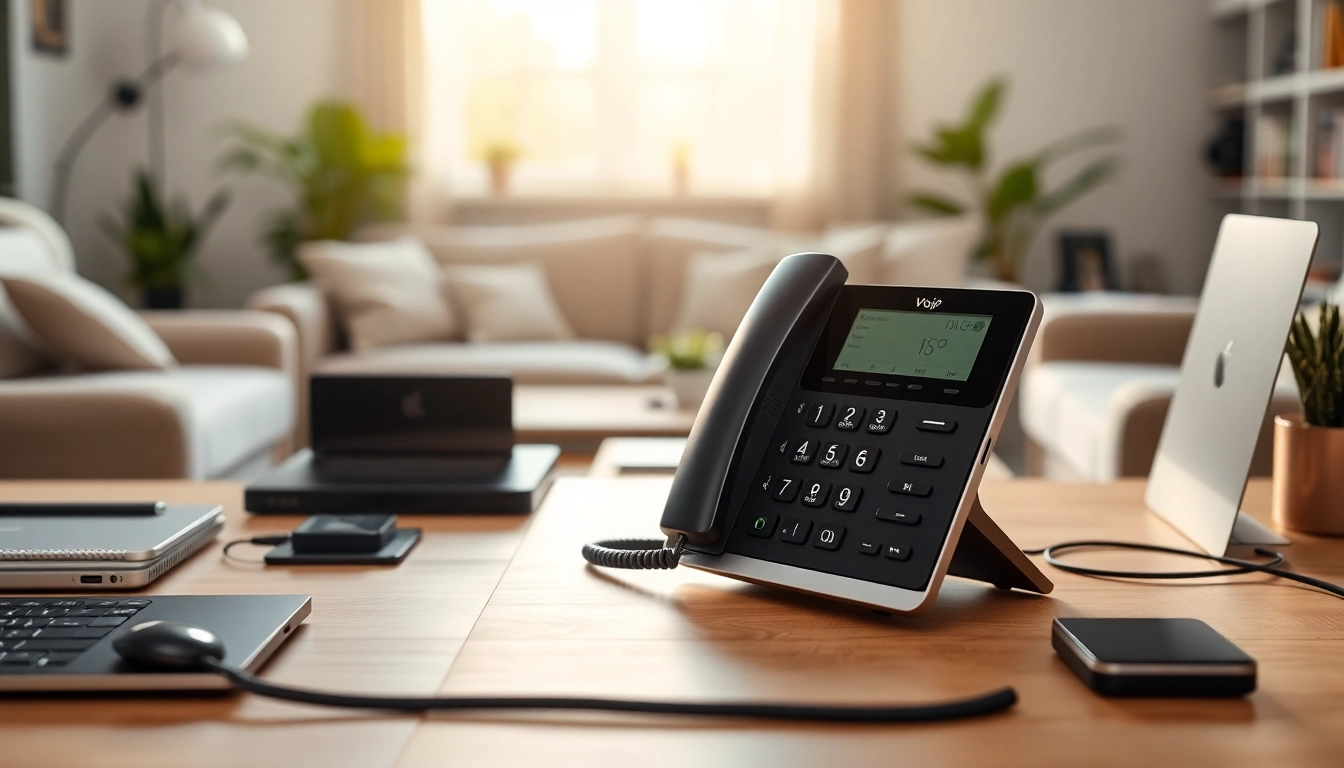
Understanding VoIP Technology
What is VoIP?
Voice over Internet Protocol, commonly known as voip, is a technology that enables voice communication and multimedia sessions over the Internet. It transforms analog voice signals into digital data packets, allowing users to make calls through their internet connection instead of traditional phone lines. Through VoIP, conversations can happen instantly and more efficiently, transcending geographical barriers and creating opportunities for enhanced communication.
Core Benefits of VoIP
The shift from traditional telephony to VoIP comes with numerous benefits that cater to modern communication needs:
- Cost-Effectiveness: VoIP drastically reduces communication costs, especially for long-distance and international calls, as they leverage the existing internet infrastructure.
- Flexibility: Users can make and receive calls from various devices – phones, laptops, tablets, or desktop computers – anytime and anywhere with an internet connection.
- Scalability: VoIP systems are easily scalable, meaning businesses and households can add new lines and features without significant infrastructure upgrades.
- Advanced Features: VoIP offers advanced features such as voicemail to email, call forwarding, conference calls, and integration with CRM systems, enhancing user experience.
Comparing VoIP with Traditional Phone Services
When comparing VoIP with traditional phone services, several differences become apparent:
| Aspect | VoIP | Traditional Phone Services |
|---|---|---|
| Installation | Requires internet connection and compatible devices; setup is often DIY. | Requires specialized hardware and professional installation. |
| Call Quality | Call quality is dependent on internet speed and stability. | Consistent call quality, not affected by internet conditions. |
| Cost | Lower monthly fees and fewer hidden charges. | Higher monthly bills with complex pricing structures. |
Setting Up a VoIP System at Home
Essential Equipment for VoIP
Setting up a home VoIP system requires some basic equipment:
- IP Phone: These specialized phones work directly with VoIP services, offering optimal sound quality and functionality.
- Analog Telephone Adapter (ATA): If you prefer using a regular phone, an ATA connects your standard telephone to the VoIP network.
- High-Speed Internet Connection: A stable and high-speed internet connection is crucial for clear and reliable call quality.
- Router: A router suitable for VoIP will manage bandwidth effectively to prioritize voice traffic.
Installation Steps for VoIP
To install a VoIP system at home, follow these essential steps:
- Choose a VoIP provider based on your needs and register for the service.
- Insert the IP phone or ATA into your internet router.
- Configure the device settings as per your VoIP provider’s guidelines.
- Test the connection with test calls and adjust settings for optimized quality.
- Consider enabling features like voicemail and call forwarding to ensure a complete experience.
Common Troubleshooting Tips
If you encounter issues with your VoIP system, here are some troubleshooting steps to consider:
- Check Internet Connection: Ensure your internet connection is stable and functioning. A poor connection can lead to dropouts or quality issues.
- Reboot Your Equipment: Restarting your modem, router, and VoIP device can resolve many connectivity problems.
- Adjust Quality of Service (QoS) Settings: In your router settings, prioritize VoIP traffic to improve call quality over other bandwidth-consuming activities.
- Inspect Physical Connections: Ensure that all cables and physical connections are secure and functioning properly.
VoIP Features You Need to Know
Advanced Call Management Options
VoIP technology comes equipped with a variety of advanced call management features that enhance communication efficiency:
- Call Forwarding: This feature allows users to redirect incoming calls to another number, which can be particularly useful when not at home.
- Voicemail to Email: Receivers can have voicemail messages sent directly to their email, allowing for easy access and management.
- Auto-Attendant: This virtual receptionist can greet callers and provide them with menu options for more efficient call routing.
- Call Recording: This allows users to record conversations for future reference, beneficial for both personal and professional purposes.
Integrating VoIP with Other Home Technologies
VoIP can be seamlessly integrated with various home technologies to create a connected ecosystem:
- Smart Home Devices: Integration with smart speakers and voice assistants can facilitate hands-free calling and control over other devices.
- Home Security Systems: VoIP can enhance security by enabling intercom features and allowing remote monitoring via phone calls.
- Unified Communications: VoIP integrates with messaging, video conferencing, and email systems, consolidating communication into one platform.
Mobile VoIP: What You Should Know
Mobile VoIP extends the benefits of calling directly to mobile devices, and it is essential for users on the go:
- Apps and Compatibility: Most VoIP providers offer compatible mobile applications that allow users to make calls over Wi-Fi or cellular data.
- Cost Savings: Mobile VoIP can significantly reduce costs for international calls made from mobile devices, similar to using it on a home network.
- Data Usage: Users should be aware of data consumption when not connected to Wi-Fi, as calls can use significant bandwidth.
Choosing the Right VoIP Provider
Key Factors to Consider
Selecting the right VoIP provider is a crucial step that will impact your experience:
- Service Coverage: Ensure your selected provider has coverage in your area and offers good call quality.
- Pricing Structure: Review pricing plans to find one that fits your budget while providing necessary features.
- Contract Flexibility: Look for providers that offer flexible contract terms without heavy cancellation fees.
Evaluating Provider Plans
To evaluate VoIP plans, consider the features offered along with the monthly fees. Pay attention to:
- Call Features: Some plans may include unlimited calling, while others might limit minutes or charge for certain features.
- International Rates: Check the rates for international calls if this is essential to your usage.
- Support Options: Assess the level of customer support provided, including availability and responsiveness.
Customer Support and Service Reliability
Reliable customer support is crucial for any VoIP service:
- Availability: Ensure support channels are available when you are most likely to need assistance.
- Response Time: Research support response teams and customer reviews to gauge reliability.
- Problem Resolution: Review how efficiently the provider resolves issues and whether they offer troubleshooting resources.
Maximizing Your VoIP Experience
Optimizing Internet Connectivity for VoIP
To get the best out of your VoIP system, optimizing your internet connection is vital:
- Bandwidth Requirements: Aim for a minimum of 1 Mbps upload and download speed per concurrent call to maintain quality.
- Router Quality: Invest in routers that can handle high traffic and prioritize VoIP data with QoS features.
- Wired vs. Wireless: Opt for a wired connection if possible, as it typically provides more stable internet speeds than Wi-Fi.
VoIP Security Measures
Security is essential when using VoIP technology due to its reliance on the internet. Here are some measures to enhance security:
- Use Strong Passwords: Implement strong and unique passwords for your VoIP accounts and devices to prevent unauthorized access.
- Update Firmware: Regularly update firmware on routers and VoIP equipment to safeguard against vulnerabilities.
- Network Encryption: Employ network protocols that provide encryption for calls, making conversations more secure.
Future Trends in VoIP Technology
As technology advances, the future of VoIP is evolving with exciting trends:
- Artificial Intelligence: AI technologies will enhance call routing, predictive dialing, and customer interactions through automated systems.
- 5G Integration: The transition to 5G networks will further enhance VoIP quality, enabling clearer calls with lower latency.
- Enhanced Collaboration Tools: VoIP systems will increasingly integrate collaboration tools that enhance remote working capabilities.