Understanding Steel Structure Design
Steel structure design is a critical discipline within the construction industry, merging artistic vision with engineering precision to create structures that are both aesthetically pleasing and functionally sound. As the demand for durable and sustainable buildings rises, the significance of steel structures has come to the forefront. This article will delve into the fundamentals of steel structure design, highlighting its various types, and the critical importance it plays in modern construction practices. For a comprehensive understanding of steel structure design, we will explore essential design considerations, techniques, best practices, and future trends.
The Fundamentals of Steel Structures
Steel structures have been a cornerstone of engineering for decades, characterized by their strength, flexibility, and durability. At the core of steel structure design is the ability to create frameworks that can withstand significant loads while maintaining stability and safety. Steel, an alloy primarily consisting of iron and carbon, exhibits remarkable tensile strength and resistance to deformation, making it ideal for building frameworks, bridges, and other infrastructural elements.
Understanding the properties of steel is essential for engineers and architects. Steel’s yield strength, ductility, and corrosion resistance play crucial roles in determining design parameters. Yield strength refers to the maximum stress that a material can withstand while being deformed. Ductility allows steel to undergo significant deformation before failure, which is vital during seismic events. Moreover, advancements in galvanization and coatings have improved steel’s resistance to corrosion, extending its lifespan and reducing maintenance costs.
Types of Steel Structures: An Overview
Steel structures can be categorized into various types based on their usage and design principles. The most common types include:
- Framework Structures: These are the backbone of many commercial buildings and skyscrapers, consisting of a grid system that distributes loads effectively.
- Bridges: Steel bridges utilize the material’s strength to create spans over rivers and valleys, with designs such as cantilever, arch, and truss.
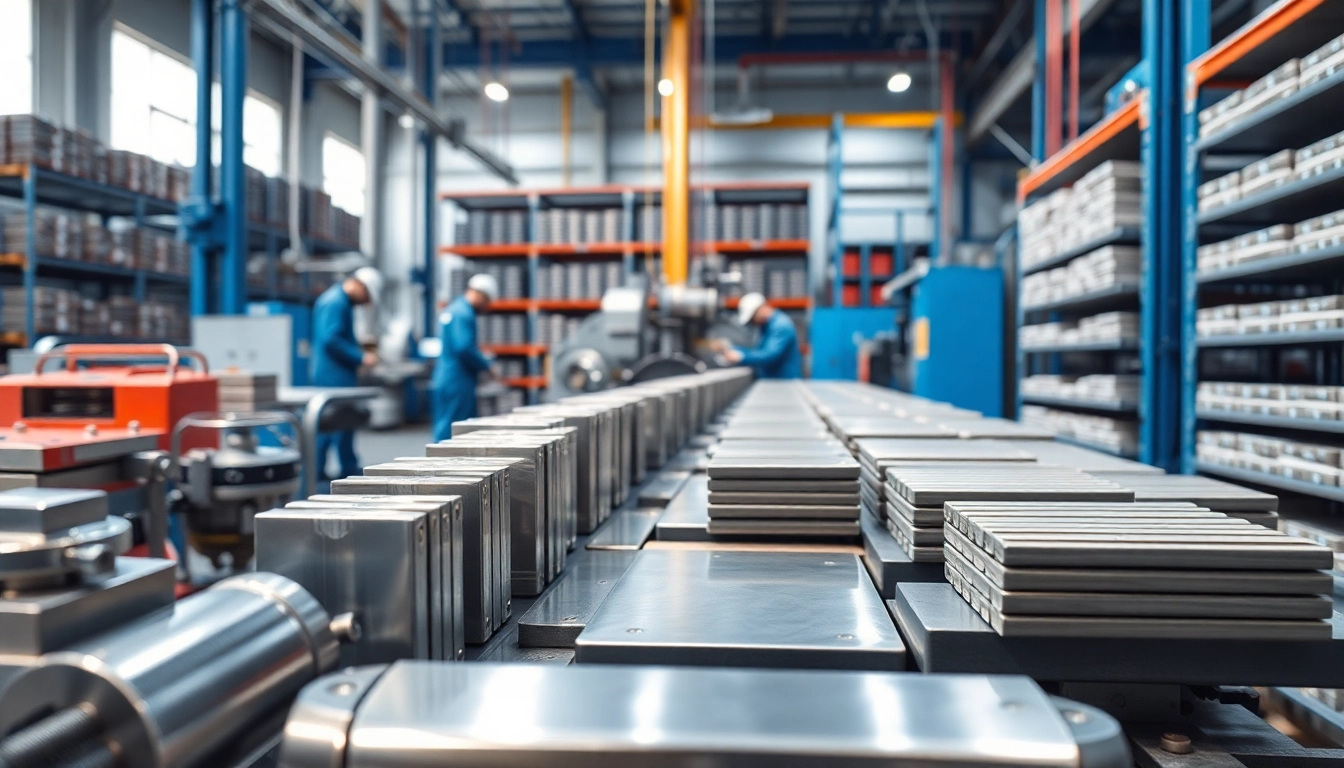
- Industrial Structures: Facilities such as factories and warehouses rely on steel for their robust and versatile frameworks, allowing for large open spaces without columns.
- High-Rise Buildings: Skyscrapers leverage steel’s strength-to-weight ratio, enabling them to reach exceptional heights while maintaining safety and stability.
Each type of steel structure presents unique challenges and opportunities, requiring specialized knowledge in design and construction practices.
Importance of Steel Structure Design in Construction
The importance of steel structure design cannot be overstated. First and foremost, it contributes significantly to the structural integrity and longevity of buildings. Steel structures are resilient against environmental factors, such as earthquakes, winds, and heavy snow loads. The use of steel helps to minimize risks associated with structural failure, thereby safeguarding human lives and property.
Additionally, steel structure design is critical for project efficiency. Steel components can be pre-fabricated offsite, significantly reducing construction time and labor costs. This efficiency also allows for more precise quality control, leading to fewer defects in the final build.
Moreover, with the focus on sustainable building practices, steel’s recyclability contributes to environmentally friendly construction. Steel can be recycled numerous times without degrading its properties, aligning construction practices with green building standards.
Design Considerations for Steel Structures
Load-Bearing Capacities and Design Safety
When designing steel structures, one of the main considerations is load-bearing capacity. Designers must calculate the dead loads (permanent static forces) and live loads (temporary dynamic forces) that the structure will encounter throughout its lifespan. This includes weight from the building materials, occupants, equipment, and environmental factors such as wind and snow.
Design safety is equally crucial and often captures codes regulated by governing bodies. For instance, the American Institute of Steel Construction (AISC) outlines standards for the design and fabrication of steel structures, ensuring safety while optimizing material use. Engineers must incorporate factors of safety into their designs to account for unexpected loads or material imperfections.
Architectural Aesthetics in Steel Structure Design
The aesthetic aspect of steel structure design is often overlooked but holds great significance in modern architecture. Steel not only offers functionality but also provides a sleek and contemporary look that can enhance a building’s visual appeal. Architects are using steel creatively to craft innovative shapes and forms, allowing for unique designs that push traditional boundaries.
From exposed steel beams to intricate steel façades, the versatility of steel facilitates artistic expression while still adhering to structural requirements. This balance between aesthetics and engineering is pivotal in creating timeless buildings that resonate with users and communities alike.
Material Selection and Environmental Impact
Material selection in steel structure design goes beyond just choosing the right type of steel. Factors such as the sourcing and processing methods, environmental impact, and potential for recyclability must be considered. For instance, using recycled steel not only minimizes resource extraction but also reduces energy consumption during the production process.
Additionally, advancements in steel manufacturing, such as low-carbon steel, are gaining traction as they promise to lessen the environmental footprint of construction projects. Designers must routinely evaluate the entire lifecycle impact of their material choices, ensuring that sustainability is at the forefront of their designs.
Steel Structure Design Techniques
Advanced Modeling Techniques in Steel Structures
The implementation of advanced modeling techniques has revolutionized steel structure design. Computer simulations and modeling provide engineers with the tools to analyze complex structures under varying conditions and loads. Finite Element Analysis (FEA) is particularly beneficial, allowing for detailed insights into how different elements of the structure will behave under stress.
These modeling techniques not only enhance the accuracy of designs but also enable early detection of potential issues, leading to more robust solutions. Additionally, they facilitate better collaboration among project stakeholders, streamlining the design and construction process.
Utilizing CAD Software for Design Precision
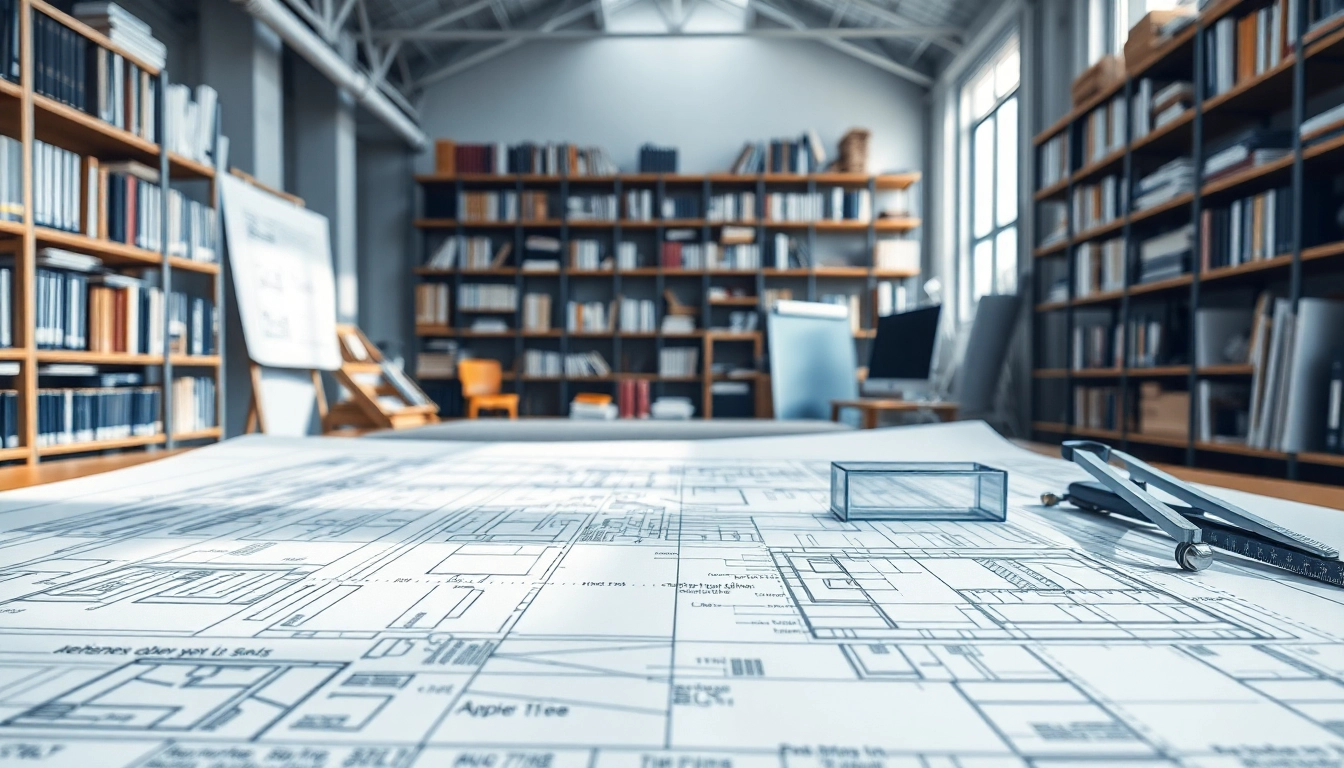
Computer-Aided Design (CAD) software is an essential tool in modern steel structure design. CAD programs allow for precise drafting and modifications, enabling designers to visualize the structure in a three-dimensional space. This precision reduces errors and discrepancies during construction, saving time and expenses.
Moreover, the integration of Building Information Modeling (BIM) within CAD platforms offers enhanced capabilities. BIM incorporates data-rich models, fostering collaboration across disciplines and ensuring that all project stakeholders have access to relevant information throughout the building process.
Common Mistakes in Steel Structure Design to Avoid
Even seasoned professionals can make common errors in steel structure design that can lead to significant project delays and increased costs. One prevalent mistake is underestimating load requirements, often resulting in inadequate structural support. Engagement with experienced engineers can mitigate this risk and bolster accuracy in load calculations.
Another frequent oversight is neglecting local building codes and regulations. Each jurisdiction has specific requirements that must be met. Failure to comply can lead to penalties and necessitate redesigns. Always consult regulatory bodies or local guidelines to ensure adherence.
Lastly, improper detailing of connections can result in structural weaknesses. Effective detailing ensures that joints and connections can withstand expected loads and forces, maintaining overall structural integrity.
Best Practices for Effective Steel Structure Design
Collaborating with Engineers and Architects
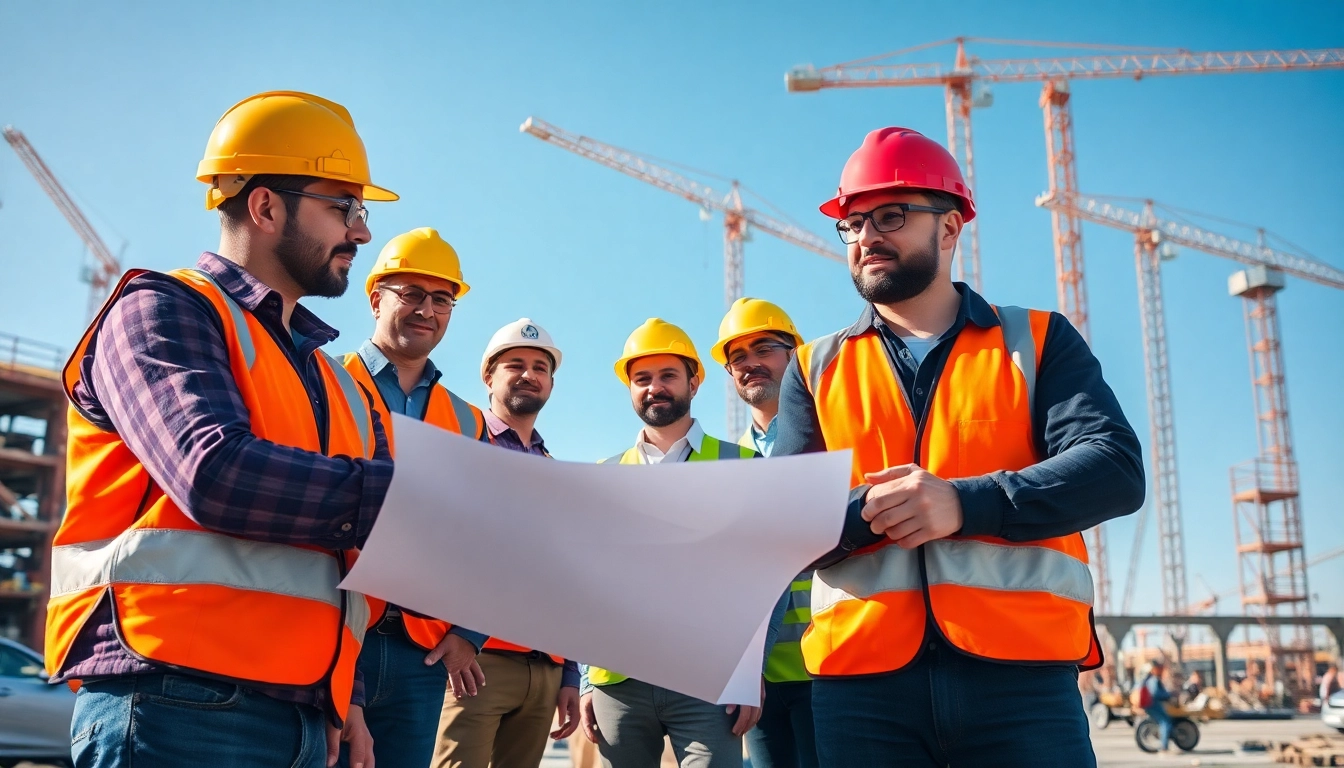
Collaboration between engineers and architects is pivotal to successful steel structure design. Effective communication ensures that both aesthetic and structural aspects are harmonized from the onset. Early involvement of engineers can guide architectural decisions, providing insights regarding feasibility and safety, leading to innovative designs rooted in practicality.
Regular interdisciplinary meetings and collaborative design sessions encourage idea sharing and foster a common understanding of project goals, mitigating miscommunication and potential conflicts down the line.
Regulatory Compliance and Safety Standards
Compliance with local regulations and safety standards is not just a legal requirement but a fundamental aspect of steel structure design. Designers must be well-versed in relevant codes such as the International Building Code (IBC) or country-specific regulations that govern material strength, safety factors, and construction practices.
Incorporating these standards into the design process from the beginning helps to ensure that the structure will meet safety and performance requirements throughout its lifespan. Regular audits and inspections during construction can further uphold these standards and enhance overall project quality.
Cost-effective Strategies in Steel Structure Design
Cost management is a crucial aspect of steel structure design where several strategies can ensure projects remain within budget. Utilizing prefabrication techniques can lead to significant savings in labor and time, reducing overall project costs. Prefabricated components can also enhance quality control, as they are often manufactured in controlled environments.
Designing for modularity can further contribute to cost-effectiveness. By creating components that can be easily modified or reconfigured, projects can adapt to changing needs without extensive renovations, yielding long-term savings.
Lastly, optimizing the use of materials is vital. Engineers should strive to use only what is necessary while still meeting safety and performance standards, thereby reducing waste and lowering material costs.
Future Trends in Steel Structure Design
Innovative Materials and Technology in Steel Design
The future of steel structure design is poised for innovation, driven by advancements in materials and technology. New steel alloys and composites are being developed to enhance performance characteristics, such as improved strength-to-weight ratios and greater resistance to environmental factors.
Additionally, the integration of smart technologies into steel structures is gaining momentum. Sensors embedded within structural frameworks can provide real-time monitoring of structural health, enabling proactive maintenance and extending the lifespan of buildings.
Integrating Sustainability into Steel Structures
Sustainability is becoming an integral principle of steel structure design, affecting choices from material selection to construction processes. Efforts to minimize energy consumption during manufacturing and transport of steel are paramount to creating more environmentally responsible structures.
Future designs are likely to prioritize energy-efficient systems and renewable resources, aiming for certifications such as LEED (Leadership in Energy and Environmental Design) which emphasize sustainability throughout the building lifecycle.
Case Studies of Successful Steel Structure Projects
To understand the practical applications of steel structure design, examining successful projects can provide valuable insights. A notable example includes the design of iconic skyscrapers, where engineers pushed the limits of steel’s capabilities while adhering to aesthetic values. These buildings not only showcase the structural integrity of steel but also its adaptability to modern architectural designs.
Furthermore, innovative bridge designs exemplify how steel structures can improve civil infrastructure, facilitating transportation while standing as symbols of modern engineering prowess. Such case studies highlight the versatility and reliability of steel as a building material, inspiring future designs.