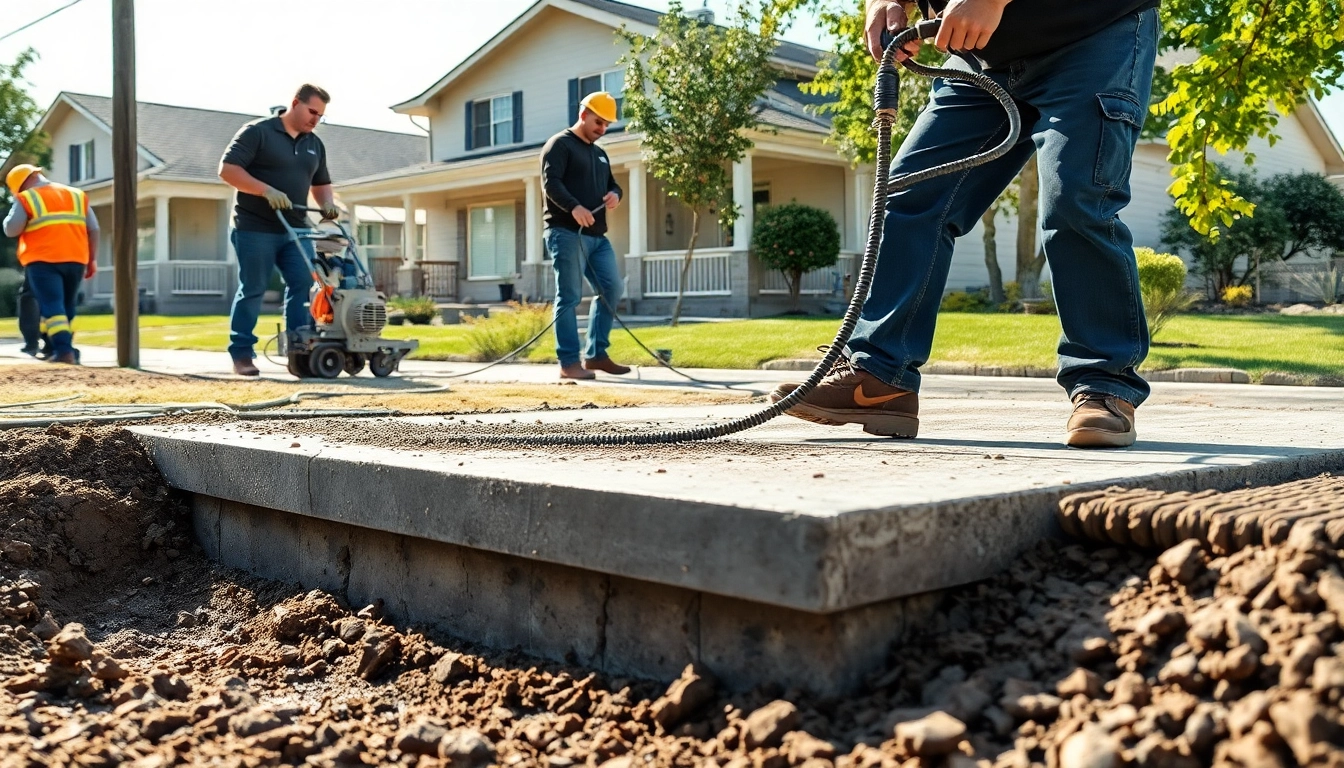
Understanding Mudjacking Basics
What is Mudjacking?
Mudjacking is a cost-effective and efficient method used to raise and stabilize sunken concrete slabs. Whether it’s a driveway, patio, sidewalk, or any other type of concrete surface, the process involves injecting a mixture of cement, soil, and other materials beneath the slab to lift it back to its original position. The importance of this technique lies in its ability to restore safety and usability to areas affected by settling. By employing Mudjacking, property owners can avoid the higher costs associated with complete replacement of concrete structures while addressing underlying soil issues effectively.
Common Applications of Mudjacking
Mudjacking is beneficial in various scenarios where concrete surfaces have settled or become uneven, including:
- Driveways: A common area for settling due to the weight of vehicles and inadequate support beneath the surface.
- Sidewalks: Uneven sidewalks can present tripping hazards, making mudjacking an ideal solution.
- Patios: Outdoor concrete spaces often suffer from erosion or settling, impacting their usability.
- Basements: Elevating a sunken basement floor can help rectify drainage issues and enhance the structural integrity of buildings.
- Pools: Concrete pool decks that have settled can lead to water pooling, which may damage the pool’s structure.
Benefits of Mudjacking
The benefits of mudjacking are substantial, providing property owners with various advantages:
- Cost-Effective Solution: Mudjacking often costs significantly less than replacing a concrete slab.
- Quick Results: The process can typically be completed in just a few hours, allowing for immediate use of the area.
- Environmentally Friendly: By utilizing existing concrete, mudjacking reduces waste and the demand for new materials.
- Increased Property Value: Resolving concrete issues improves the aesthetic appeal and safety of the property.
- Long-Lasting Results: When done correctly, mudjacking provides a durable solution that can withstand future settling.
Identifying Issues for Mudjacking
Signs of Sunken Concrete
Recognizing the signs of sunken concrete is crucial for addressing problems before they become severe. Key indicators include:
- Cracks: Visible cracks in the concrete surface, often with increased width, signal potential settling.
- Uneven Surface: Any noticeable slope or unevenness should be a cause for concern.
- Potholes or Depressions: These formations often develop in areas where the ground has eroded.
- Water Pooling: When water collects in certain areas rather than draining away, it can indicate sunken spots.
Assessing Structural Damage
Assessing the extent of structural damage is essential to determine whether mudjacking is the suitable approach. Consider the following steps:
- Visual Inspection: Thoroughly examining the area for cracks, dips, or any other signs of deterioration.
- Check Adjacent Areas: Assess neighboring structures and surfaces for alignment and settling.
- Soil Testing: Analyze the soil conditions beneath the concrete to understand the cause of settling.
- Document Findings: Keeping a record of observations can help professionals assess the situation accurately.
When to Consider Mudjacking
Deciding when to consider mudjacking primarily depends on the severity of the issues present. Here are key scenarios when mudjacking becomes a viable choice:
- Visible Settling: As soon as you notice any signs of unevenness or cracks, it’s advisable to evaluate the need for mudjacking.
- Functional Problems: If the settling affects the usability of the area, such as a sloped driveway or tripping sidewalk, immediate action should be taken.
- Before Further Damage Occurs: Addressing minor issues can prevent more significant, costly problems down the line.
The Mudjacking Process Explained
Preparation Steps Before Mudjacking
Before beginning the mudjacking process, several preparatory steps must be taken to ensure a successful outcome:
- Clear the Area: Remove any obstacles from around the concrete surface, such as furniture, plants, or debris.
- Inspect for Other Repairs: Check if there are any additional repairs needed before mudjacking can commence.
- Plan the Injection Points: Strategically determine where to inject the mixture to ensure even lifting.
- Consult Professionals: If unsure, seeking a contractor’s advice is crucial to ensure proper execution of the technique.
Tools and Equipment Used in Mudjacking
The mudjacking process requires specific tools and materials for effective execution:
- Hydraulic Pump: Used to inject the mud mixture beneath the slab.
- Injection Ports: Small holes drilled in the concrete where the mixture is injected.
- Concrete Mixture: A unique blend of water, soil, and cement designed for optimal stability.
- Leveling Devices: Tools used to ensure that the slab is lifted evenly to the desired height.
Step-by-Step Mudjacking Procedure
The actual procedure for mudjacking follows a systematic approach:
- Drilling Holes: Small holes are drilled into the sunken concrete at predetermined injection points.
- Injecting the Mixture: A hydraulic pump injects the mud mixture through the ports, filling voids beneath the slab.
- Monitoring the Lift: Continuous monitoring ensures the slab is lifted to the desired height without over-inflation.
- Sealing the Holes: Once the desired level is achieved, the holes are sealed with a concrete patch.
- Final Inspection: Post-job inspection confirms that the area is level and has restored integrity to the structure.
Choosing the Right Mudjacking Service
Qualities of a Reliable Contractor
Selecting a proficient mudjacking contractor is critical to ensure quality results. Look for these qualities:
- Experience: A contractor with extensive experience in mudjacking brings invaluable expertise.
- References: Positive feedback and testimonials from previous clients indicate reliability and quality service.
- Insurance and Licensing: Ensure the contractor is properly insured and licensed to perform the work.
- Clear Communication: A good contractor should explain their process clearly and answer any questions thoroughly.
Questions to Ask Before Hiring
Before finalizing your choice of a mudjacking contractor, consider asking these essential questions:
- What techniques do you process for mudjacking?
- Can you provide references or examples of previous work?
- How do you determine the pricing for your services?
- What is included in your warranty for mudjacking services?
Comparing Costs and Estimates
When evaluating mudjacking services, obtaining multiple estimates is beneficial for comparison. Factors influencing cost include:
- Extent of Damage: More significant settling or damage may require more materials and labor, leading to higher costs.
- Accessibility: Areas that are difficult to access may incur additional fees.
- Geographic Location: Prices might vary based on regional market conditions and costs.
Post-Mudjacking Care and Maintenance
Best Practices for Maintaining Repaired Areas
Proper maintenance after mudjacking helps extend the lifespan of the repairs:
- Avoid Heavy Loads: For the first 24-48 hours, avoid placing heavy items or vehicles on the newly repaired areas.
- Seal Cracks: Regularly inspect for new cracks and seal them promptly to prevent water intrusion.
- Avoid Standing Water: Ensure proper drainage to avoid pooling water, which can undermine the repair.
Monitoring for Future Issues
Continuously monitoring the repaired area for signs of settling can help identify issues before they escalate. This includes:
- Regularly checking for shifting or new cracks.
- Ensuring the surrounding land maintains proper drainage.
Long-Term Benefits of Proper Maintenance
Investing time and resources into maintenance after mudjacking yields substantial long-term benefits:
- Increased Durability: Regular upkeep can enhance the longevity of repairs, saving money over time.
- Enhanced Safety: Eliminating potential hazards, like uneven surfaces, contributes to a safer environment.
- Improved Aesthetic Value: Well-maintained surfaces not only function better but also look more appealing.